
The results of the recent internal elections in Soroti City have sent shockwaves across Eastern Uganda’s political landscape.
David Calvin Echodu, a rising political figure with a populist appeal and grassroots touch, swept key NRM structures in Soroti City, signaling a significant power shift that could have far-reaching consequences for veteran politician Capt. Mike Mukula, particularly in the upcoming Central Executive Committee (CEC) race for NRM Vice Chairperson Eastern Uganda.

For the last two decades, Capt. Mike Mukula has been a dominant force in Eastern Uganda’s politics and a key figure in the ruling NRM’s strategic leadership.

His influence has stretched from his home base in Soroti to national and continental platforms. But the ground appears to be shifting beneath his feet.
David Calvin Echodu, a former parliamentary aspirant and a fresh face in national party dynamics, defied expectations by helping secure the election of allies and like-minded individuals into NRM leadership positions in Soroti City.
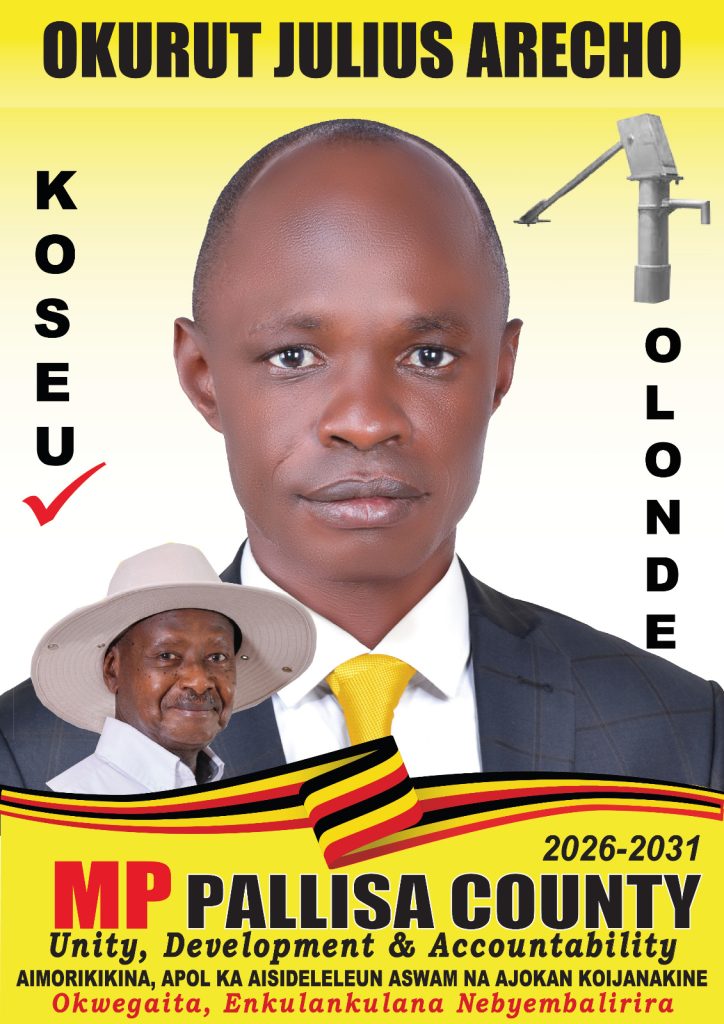
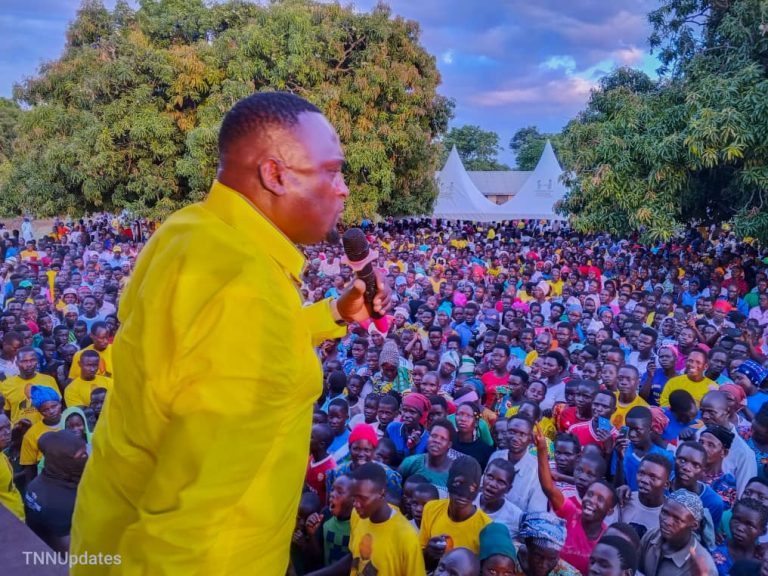
His direct involvement in mobilizing delegates, shaping campaign messages, and rallying youth and grassroots voters paid off handsomely.
Many in Soroti now see Echodu as a new power center within the NRM, capable of rallying the electorate and reinvigorating party structures.
This development has created visible cracks in what was once considered Mukula’s stronghold.
While Mukula still commands respect as a seasoned politician and party loyalist, the emergence of Echodu as a local kingmaker presents a challenge to his ability to influence outcomes within his political backyard.
Political analysts say Mukula’s failure to defend his inner circle’s hold on Soroti City NRM structures exposes a potential vulnerability ahead of the CEC elections.
The NRM’s Central Executive Committee (CEC) is the party’s most powerful decision-making body.
The position of Vice Chairperson for Eastern Uganda, currently held by Mukula, is critical for shaping national policy direction, influencing flag bearer selection, and determining resource allocation across the eastern sub-regions.
The upcoming CEC elections, expected to be among the most competitive in years, will likely see Mukula face challenges from younger and more regionally grounded candidates.
In this context, the shift in Soroti City cannot be taken lightly.
“Soroti is more than just a city, it is the symbolic and political heart of the Teso sub-region,” explains Anthony Egunyu, who was also an aspirant but withdrew in support of Echodu’s trusted ally John Enomu. “Losing control of it in any form raises doubts about a candidate’s ability to command the region’s loyalty.”
Echodu’s political rise also reflects a broader generational shift in Eastern Uganda.
Many youth leaders and first-time voters are gravitating towards new voices that they believe better represent their struggles and aspirations.
Unlike Mukula, who is associated with the older guard and national elite, Echodu brands himself as a man of the people, rooted in local realities and eager to connect with the unemployed youth, boda-boda riders, and informal workers who form the bulk of the voting bloc.
This generational energy could reshape the race for CEC, where delegates increasingly seek leaders who not only hold titles but can also win grassroots battles.
“In politics, perception is everything,” says Okello James, a youth in Soroti City. “If Mukula is losing the battle at home, how can he convince the rest of Eastern Uganda that he still holds the ground?”
Some observers argue that Capt. Mukula’s political machinery may have grown too centralized and out of touch with changing grassroots dynamics.
His long service in national leadership, while commendable, may no longer shield him from the demand for new blood and local representation.
Others believe Mukula is still a formidable force, with strong networks, financial resources, and the backing of senior NRM cadres. However, even his supporters acknowledge the warning signs.
“The loss of Soroti City positions is a wake-up call,” Added Anthony Egunyu. “Mukula needs to recalibrate his strategy and reconnect with the grassroots if he’s to fend off the growing influence of leaders like Echodu.”
Meanwhile, Echodu’s supporters are already talking about expanding their influence beyond Soroti City into district structures and neighboring areas like Serere, Kaberamaido, and Amuria.
They are building momentum with the slogan “New Energy for the East,” which is increasingly resonating with youth and urban voters.
Echodu who has declared himself for the CEC position, has set the stage for a reshaped balance of power within the region, and possibly the party.
“This isn’t about personality, it’s about vision and relevance,” said Okello. “We’re focused on rebuilding NRM from the ground up. The people are ready for a new chapter.”
About Author