By Vicent Emong
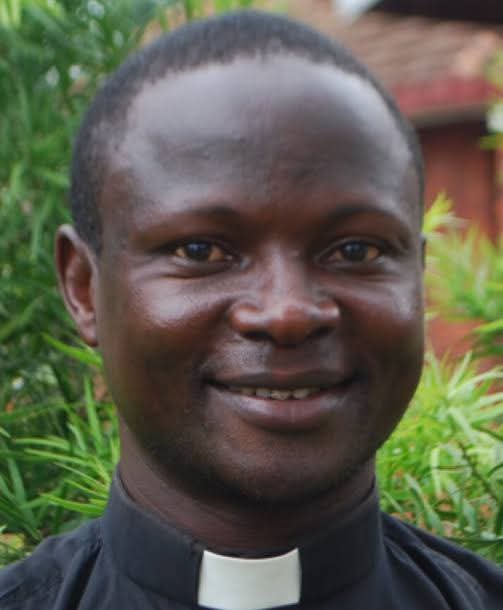
Bishop Benjamin Okello of the Pentecostal Assemblies of God (PAG) Church in South Teso has petitioned the Office of the Prime Minister (OPM), accusing it of excluding genuine war victims from government relief and compensation programs.
The outspoken cleric expressed concern that survivors of the gruesome atrocities committed in places like Kojie Primary School continue to be ignored, despite being the very people in whose memory war monuments and schools were established.

Speaking during a community outreach event, Bishop Okello passionately urged the government to revisit its war victim support program to ensure justice is served for the right beneficiaries.
“People whose blood was shed at Kojie Primary School, people for whom Memorial Secondary Schools were built, and survivors who endured untold torture have been sidelined repeatedly,” Bishop Okello said.
“Whenever new lists of beneficiaries are released, their names are not included. Why are these people forgotten, yet they paid the ultimate price?”
He added that many survivors are elderly, still traumatized, and feel re-victimized each time they are bypassed in government support distributions.
“Each time they hear that others are being compensated, it triggers their trauma all over again. It’s heartbreaking. I felt compelled to raise their voice through this petition,” Okello stated.
Following the petition, Mr. John Steven Kasadha, the Chief Administrative Officer (CAO) of Kumi District, took immediate action by contacting the relevant officers in the Prime Minister’s Office.
According to Kasadha, officials in the OPM informed him that another consignment of relief items, specifically iron sheets, was scheduled to be distributed within the current quarter, targeting 66 additional verified beneficiaries.
“The ministry is following the list compiled during the board of survey and submitted to the President,” Kasadha said.
“They are not registering new names at the moment, but they have acknowledged receiving several petitions and assured us these are being forwarded to the President for further consideration.”
Kasadha encouraged those who feel left out not to give up hope.
“The petitions will reach the President. So for those petitioning, stay calm, there’s still a chance for consideration,” he reassured the public.
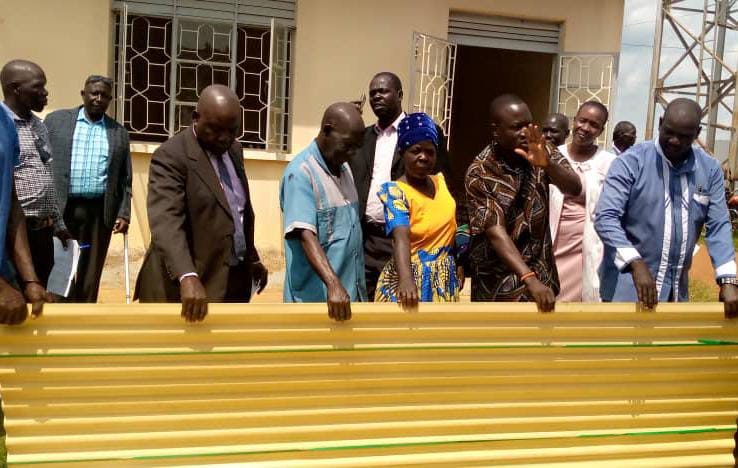
Meanwhile, as the controversy surrounding the beneficiary list continues, Kumi District witnessed the formal handover of 2,120 iron sheets from the Office of the Prime Minister.
The distribution, held at the district headquarters, was overseen by the Acting Resident District Commissioner (RDC), James Kyomya.
According to Kyomya, 69 war-affected individuals each received 30 iron sheets as part of the government’s continued effort to support victims of the past insurgencies in Teso Sub-region.
“This is part of the government’s commitment to fulfilling its pledges to those who suffered during the turbulent years,” Kyomya said.
“The support is a symbol of the President’s unwavering dedication to improving the welfare of his people.”
He further urged the beneficiaries to remain loyal to the ruling National Resistance Movement (NRM), crediting President Yoweri Museveni for the continued support to post-war communities.
“We ask you to rally behind the NRM and our President, who has not forgotten your suffering,” he told the crowd.
Kyomya also issued a stern warning to beneficiaries against misusing the aid provided.
He said security operatives would be deployed to monitor the use of the iron sheets and take action against those who attempt to sell them.
“This support is not meant to be traded in local markets. Anyone found selling these iron sheets will be arrested,” Kyomya warned.
“Let us use them to build homes and restore dignity to those who lost everything in the war.”
Despite the positive tone of the distribution ceremony, there remains visible frustration among some community members and local leaders who feel that the relief program lacks transparency and fairness.
Bishop Okello’s petition has reignited public debate on the effectiveness of the war victim compensation framework in Uganda.
While the government’s gesture of providing iron sheets is welcomed by many, critics argue that it falls short of addressing the deeper wounds and needs of war survivors.
“We appreciate what the government is doing,” said a community elder from Moruinera Village, “but the process needs to be more inclusive and just. We want all genuine victims to benefit, not just those with connections or names on old lists.”
Stakeholders across Teso are now calling for a fresh review and update of the war victims’ database to capture all deserving individuals who might have been missed in previous surveys.
“Many of the names on the old lists may no longer reflect the reality on the ground,” said a youth leader from Kanyum.
“People have relocated, others have died, and new evidence has come up. We need an inclusive and transparent re-verification exercise.”
About Author