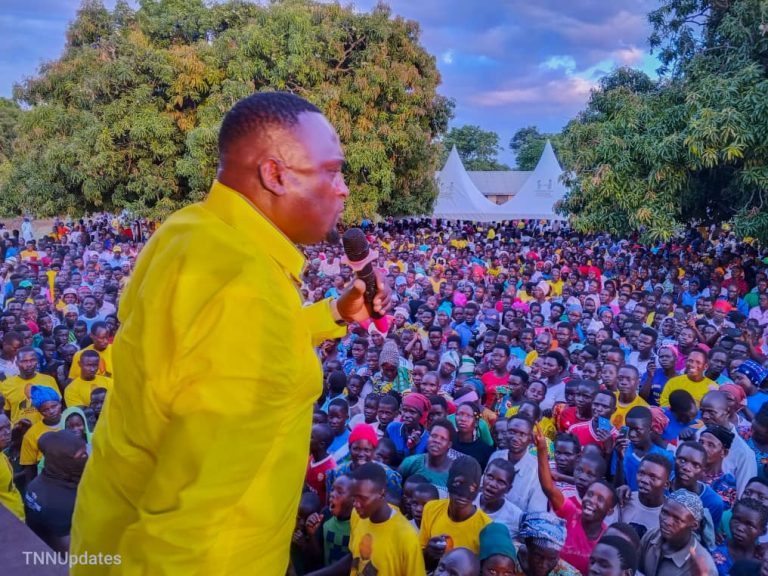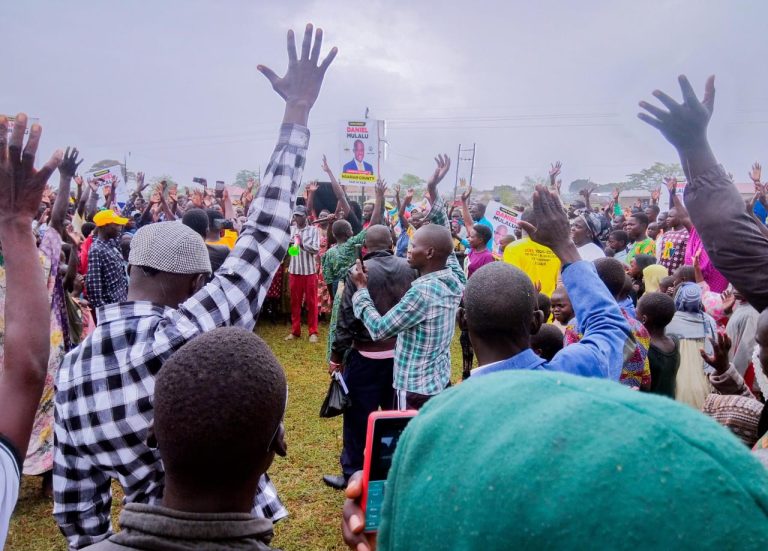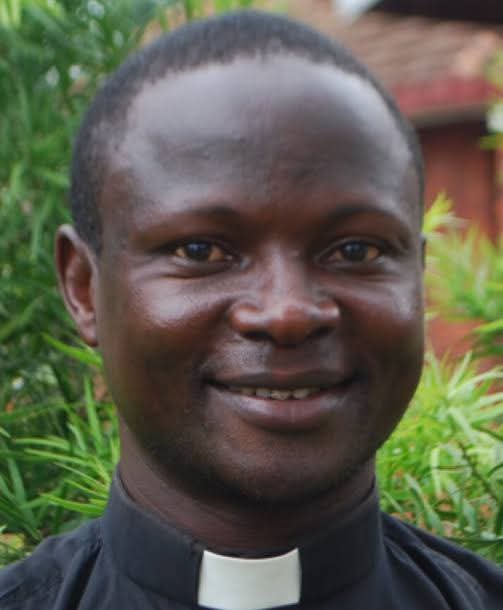

Philip Oucor, the National Resistance Movement (NRM) flag bearer for Serere County, has publicly criticized the recent Shs100 million cash handout to Members of Parliament, describing the move as “really sad” and a betrayal of struggling Ugandans.
In a strongly worded social media post on Wednesday afternoon, Oucor expressed frustration over what he sees as a growing disconnect between the country’s elected leaders and the daily struggles faced by ordinary citizens.
“This is really sad! Given the grappling levels of poverty, ailing health care system, dilapidated school infrastructure, poor roads. Our representatives chose to pocket Shs100 million!!” Oucor wrote.

His comments come in the wake of national uproar following reports that every legislator in the 11th Parliament had received a lump sum of Shs100 million, reportedly for mobilizing support for government programs in their constituencies.
The funds were sourced from the recently passed Shs4 trillion supplementary budget.
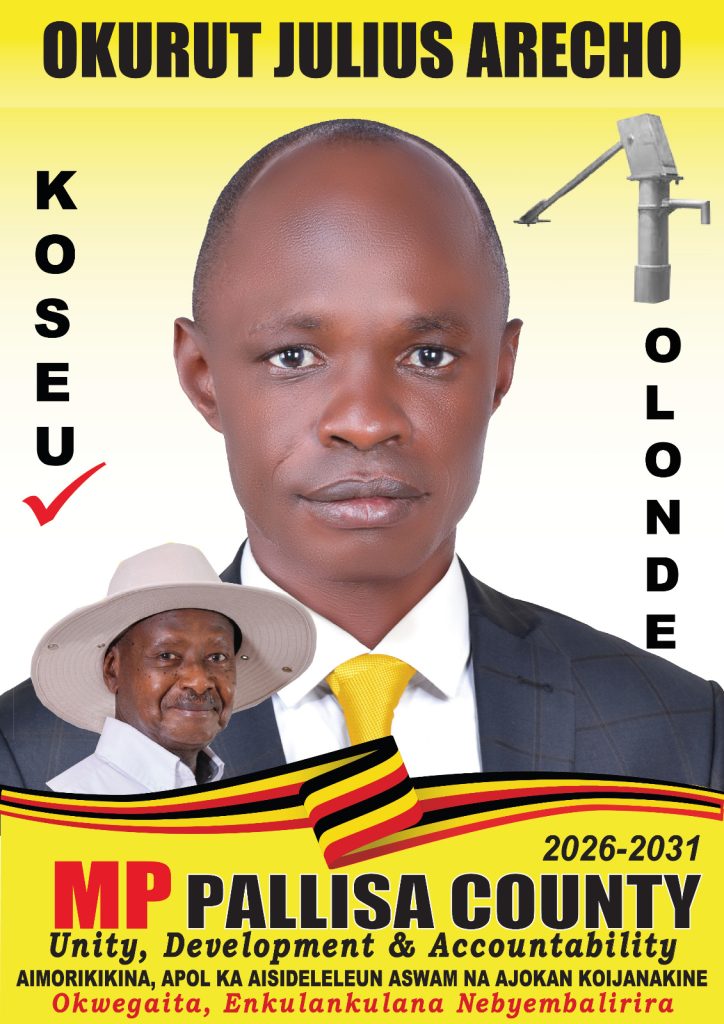
While some MPs have defended the allocation, saying it will facilitate development outreach and mobilization, the secrecy surrounding the disbursement has raised suspicions and triggered a wave of public anger.
Several opposition politicians, civil society actors, and concerned citizens have demanded accountability and questioned the government’s priorities.
Oucor’s public criticism is notable because it comes from a prominent figure within the ruling NRM party.
As a flag bearer preparing to contest the SERERE County parliamentary seat in the next election to unseat Emmanuel Omoding, his stance signals growing discomfort within party ranks about how government spending decisions are being made and communicated.
“This kind of decision undermines public confidence in our leaders and institutions,” Oucor continued in a follow-up comment. “Our people are demanding better health centers, better roads, and better schools, not cash giveaways to politicians.”
His message resonated widely on social media, with many users praising his courage for speaking out and calling on more NRM leaders to break their silence.
Uganda’s Parliament, often criticized for financial excesses, has found itself in the spotlight once again.
In the past, similar disbursements have sparked public backlash, including the 2017 payout of Shs200 million per MP during the controversial constitutional amendment process and the Shs10 billion allocated in 2020 for COVID-19 relief to lawmakers.
This latest cash bonanza has further fueled perceptions of entitlement and misuse of taxpayer money.
Critics argue that such funds could have been redirected to urgent national priorities, including health sector improvements, classroom construction, and road repairs in underserved regions.
In Serere and other rural districts, residents continue to grapple with poor service delivery.
Health centers are understaffed and lack essential medicines, schools operate without enough desks or books, and roads become impassable during the rainy season.
“I think Mr. Oucor is speaking what many of us feel,” said Sarah Akol, a resident of Sapir in Serere County. “That money could have built a new classroom block at one of our schools or helped our health center stock up on drugs.”
Oucor’s statement adds to a growing chorus calling for transparency in the management of public funds.
Opposition leader Robert Kyagulanyi and others have demanded a full breakdown of how the Shs100 million payouts will be used and whether there are any legal frameworks guiding such distributions.
“We need to rethink the role of Parliament,” Oucor said. “It should be about service, not privilege. When leaders enrich themselves while the people suffer, something is terribly wrong.”
As the 2026 general elections draw closer, the issue of public resource management is expected to feature prominently in political campaigns.
For candidates like Oucor, who position themselves as reform-minded and people-centered, this moment could prove decisive in shaping voter perceptions.
About Author