Soroti Woman Member of Parliament, Anna Adeke Ebaju, has renewed calls for comprehensive political and electoral reforms in Uganda, urging the government and the ruling National Resistance Movement (NRM) to create a more inclusive and equitable democratic system.
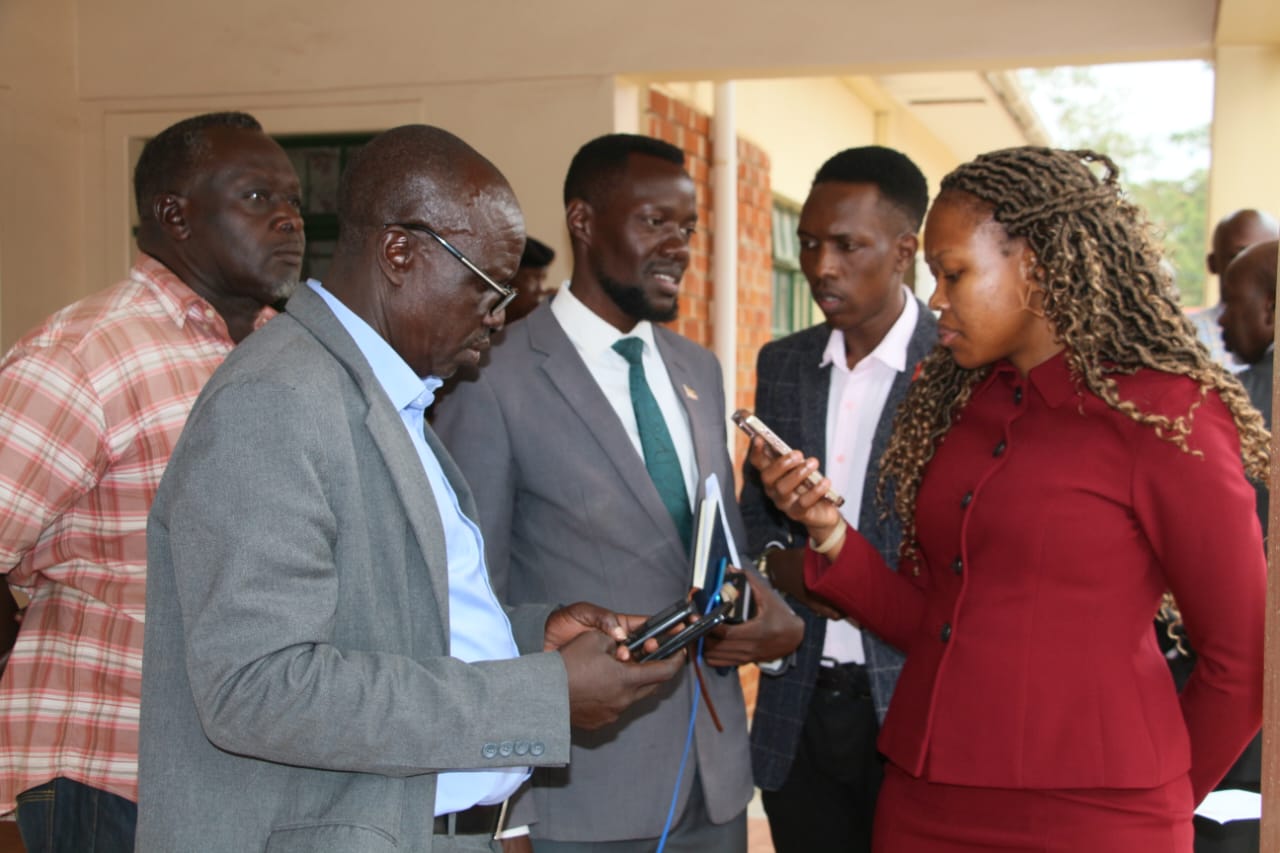
Speaking during a high-level policy dialogue at the Centre for Basic Research in Kololo, Adeke underscored the urgent need for gender justice and equal participation as the country prepares for the 2026 general elections.
The discussion, themed “Navigating Uganda’s Political Future: Gender and Elections,” brought together scholars, civil society actors, and policymakers.

“We want to see justice in the electoral process, especially gender justice, which is about equality and equal opportunities for all,” Adeke said.
“We must change the way we conduct politics in this country.”
Adeke decried the persistent challenges women face in Uganda’s political arena, citing the militarisation of politics, election-related violence, and discriminatory cultural norms as key barriers.
She noted that such conditions discourage women from seeking leadership positions and undermine the country’s democratic development.
Her remarks come amid increasing concern from opposition leaders and civil society groups over the need to overhaul Uganda’s electoral system.
Key areas of concern include the independence of the Electoral Commission, the role of security agencies in elections, and the lack of a level playing field for opposition candidates.
In recent months, political commentators and activists have urged Parliament to revisit recommendations made by the Supreme Court following previous election petitions, particularly those relating to transparency, campaign financing, and the use of state resources.
The Centre for Basic Research, in collaboration with Akina Mama wa Afrika, a leading women’s rights organisation organised the event to promote dialogue on how gender intersects with political participation and national governance.
Executive Director Richard Ssewakiryanga, in his closing remarks, called for a structured and principled political environment.
“We must build a culture of good politics, one that upholds values and gives all citizens a chance to participate meaningfully in shaping the country’s future,” he said.
Ssewakiryanga also emphasised the need for political education to empower both voters and aspiring leaders, especially women and youth, to engage constructively in democratic processes.
About Author