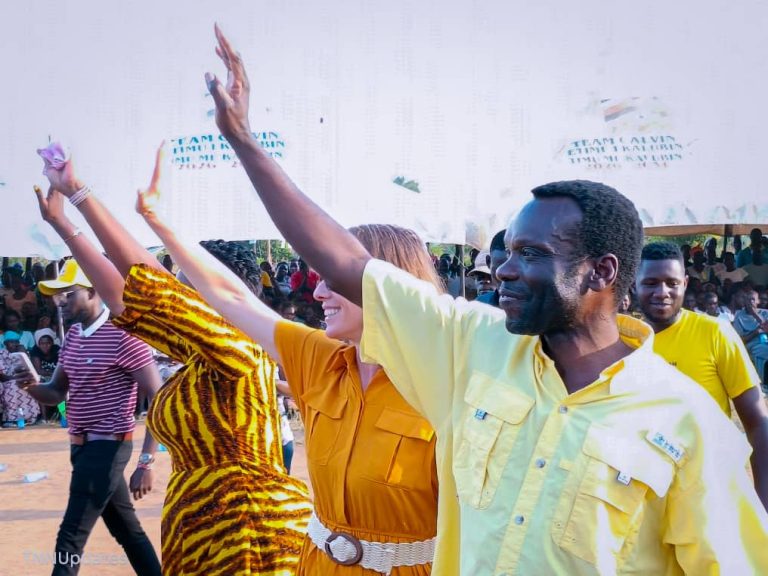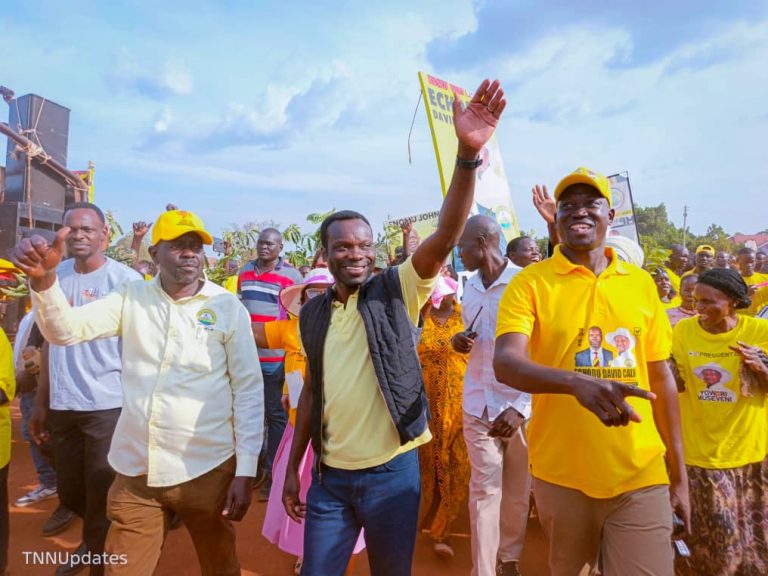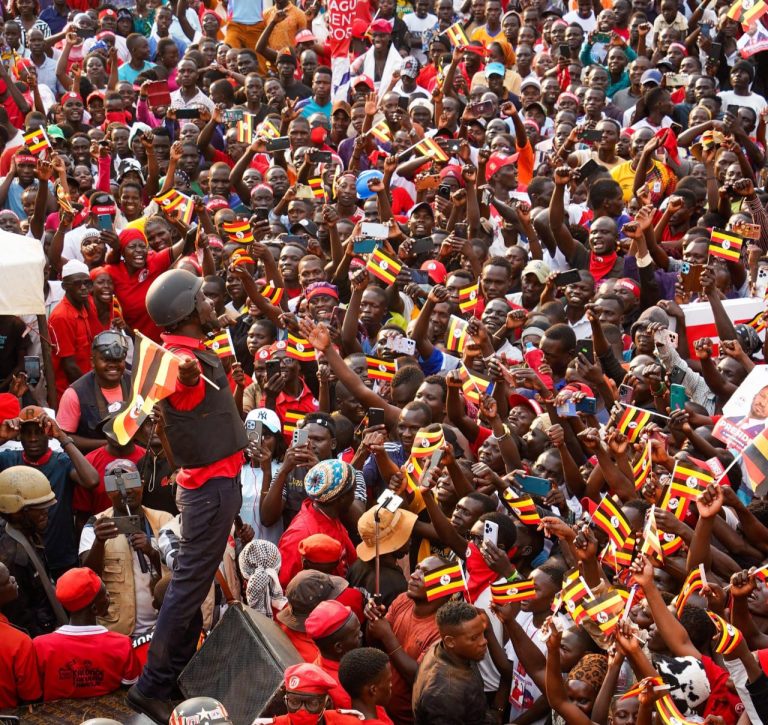
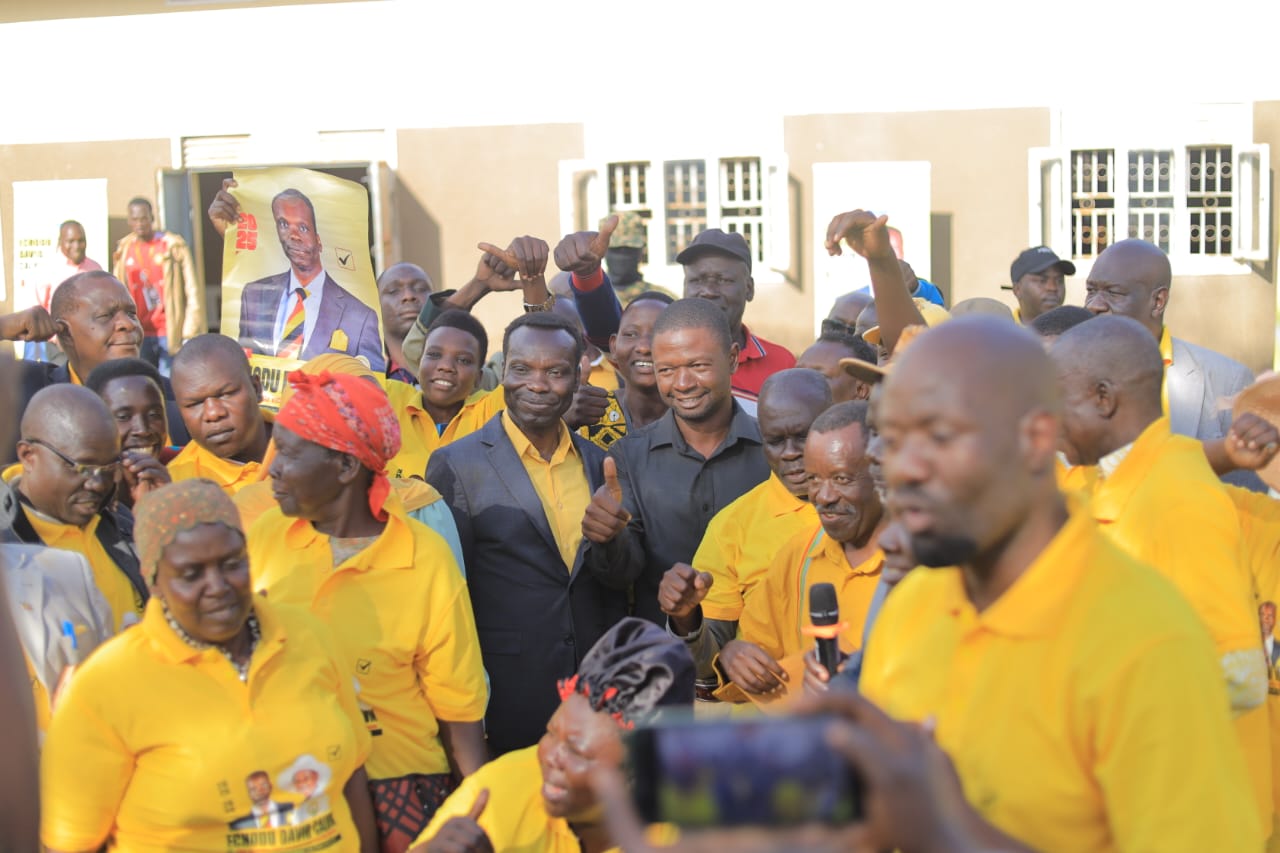
The race for the National Resistance Movement (NRM) Vice Chairperson for Eastern Uganda is gaining intensity as businessman and political contender David Calvin Echodu wrapped up his week-long tour of the Bukedi sub-region with overwhelming support and endorsements from party delegates, opinion leaders, and grassroots mobilizers across all districts.
The tour, which took him to Tororo, Butaleja, Busia, Budaka, Pallisa, Kibuku, and Butebo districts, was characterized by large turnouts, enthusiastic receptions, and a consistent call for change within the NRM’s regional leadership.
Delegates and community leaders repeatedly echoed the message that the time has come for “action-oriented leadership” to replace “rhetoric-heavy politics.”
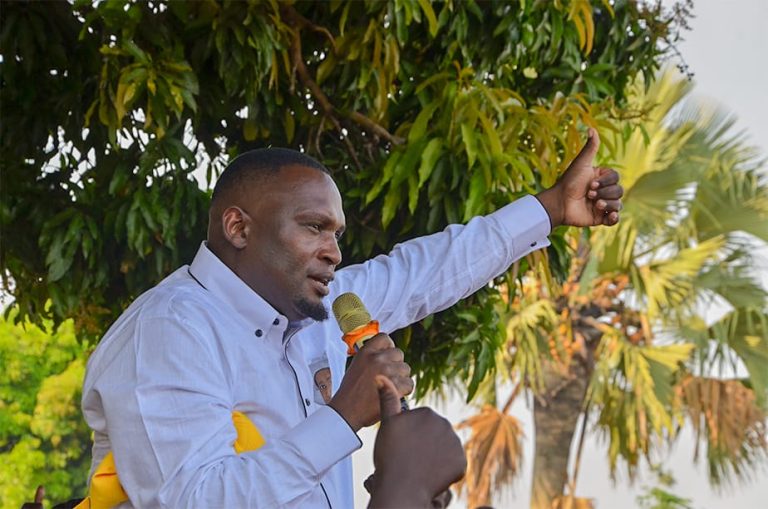
Addressing gatherings in multiple districts, Echodu emphasized that the forthcoming internal elections were not just another political contest but a defining moment for the NRM’s future in Eastern Uganda.
“This election is about giving our people a voice and giving our region leadership that delivers,” Echodu said in Pallisa.
“We must move away from politics of speeches and history, and instead focus on jobs, better schools, improved hospitals, and stronger grassroots structures. Our people deserve results, not stories.”
In every stop, he repeated his core message that the NRM must empower its local leaders and strengthen its grassroots structures if it is to remain relevant and effective.
He criticized leadership that dwells too much on the past without addressing the region’s urgent needs, drawing loud applause from delegates who said they wanted to see tangible development.
Echodu also outlined a people-centered agenda, focusing on education, healthcare, agriculture, and youth empowerment.
He promised to lobby for better service delivery in rural health facilities, support technical and vocational training centers for youth, and push for agricultural value addition to improve household incomes.
“When our youth have no jobs, when our farmers have no market, when our schools lack teachers and equipment, then leadership has failed,” he told supporters in Tororo. “I am offering leadership that listens, that acts, and that delivers.”
His message appeared to resonate strongly in Bukedi, a sub-region often grappling with poverty, unemployment, and weak infrastructure.
Delegates in district after district pledged to rally behind his candidature, describing him as a leader with the vision and energy to transform the region’s fortunes within the NRM.
In Busia District, NRM leaders hailed Echodu for reaching out directly to grassroots structures rather than limiting his campaign to elites.
They pledged to mobilize delegates and ensure a solid vote block for him in the coming polls.
In Butebo, youth leaders praised him for prioritizing skills development and technical education, saying the region’s young population is desperate for employable skills.
Women leaders in Kibuku also endorsed him, appealing for more empowerment of women within NRM structures, which Echodu promised to prioritize.
“Women are the backbone of community mobilization,” he told a gathering in Kibuku. “When we strengthen women in our structures, we strengthen the entire party.”
At every stop, the support was visible not only from delegates but also from ordinary residents who turned out in large numbers to greet him.
His convoy was often met with chants, songs, and dances, giving his campaign the feel of a popular movement rather than just an internal party contest.
Political observers in the region say Echodu’s Bukedi tour has demonstrated that his campaign is steadily building momentum.
By directly engaging grassroots leaders and articulating a clear, issues-based agenda, he has positioned himself as a strong alternative to the incumbent, Capt. Mike Mukula, who has long held the NRM Vice Chairperson position for Eastern Uganda.
Echodu’s emphasis on generational leadership, action over rhetoric, and empowerment of local party structures appears to be winning him credibility among delegates who feel disconnected from the current leadership.
In Budaka District, party elders remarked that the sub-region had for too long been “taken for granted” in NRM politics and that Echodu’s willingness to listen and interact with grassroots leaders marked a refreshing change.
“We need a leader who doesn’t just remind us of the past, but one who helps us build the future,” one elder said. “Echodu has shown he is ready to walk with the people.”
The conclusion of his Bukedi sub-region tour was marked by a symbolic rally in Tororo, where delegates from all seven districts reaffirmed their commitment to supporting him.
They handed him a joint memorandum highlighting the key challenges facing the sub-region, including poor roads, limited access to clean water, youth unemployment, and inadequate health facilities. Echodu promised to prioritize these concerns if elected.
As he wrapped up his tour, Echodu expressed gratitude for the warmth and support he received in Bukedi, pledging to remain accountable to the people.
“This journey is not about me, but about all of us in Eastern Uganda,” he said. “Together, we can rebuild our region, empower our communities, and make the NRM stronger for the future.”
About Author