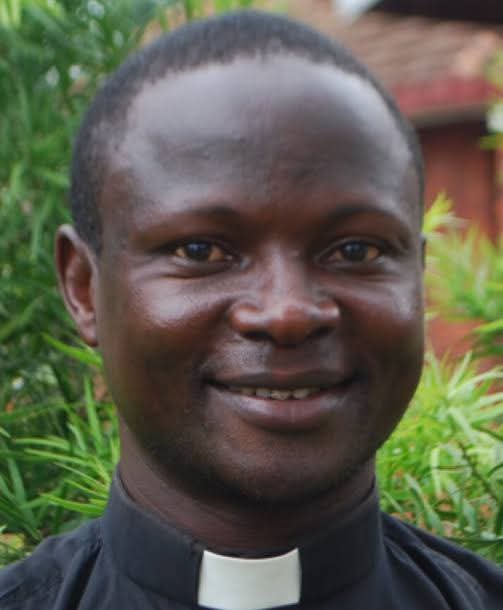
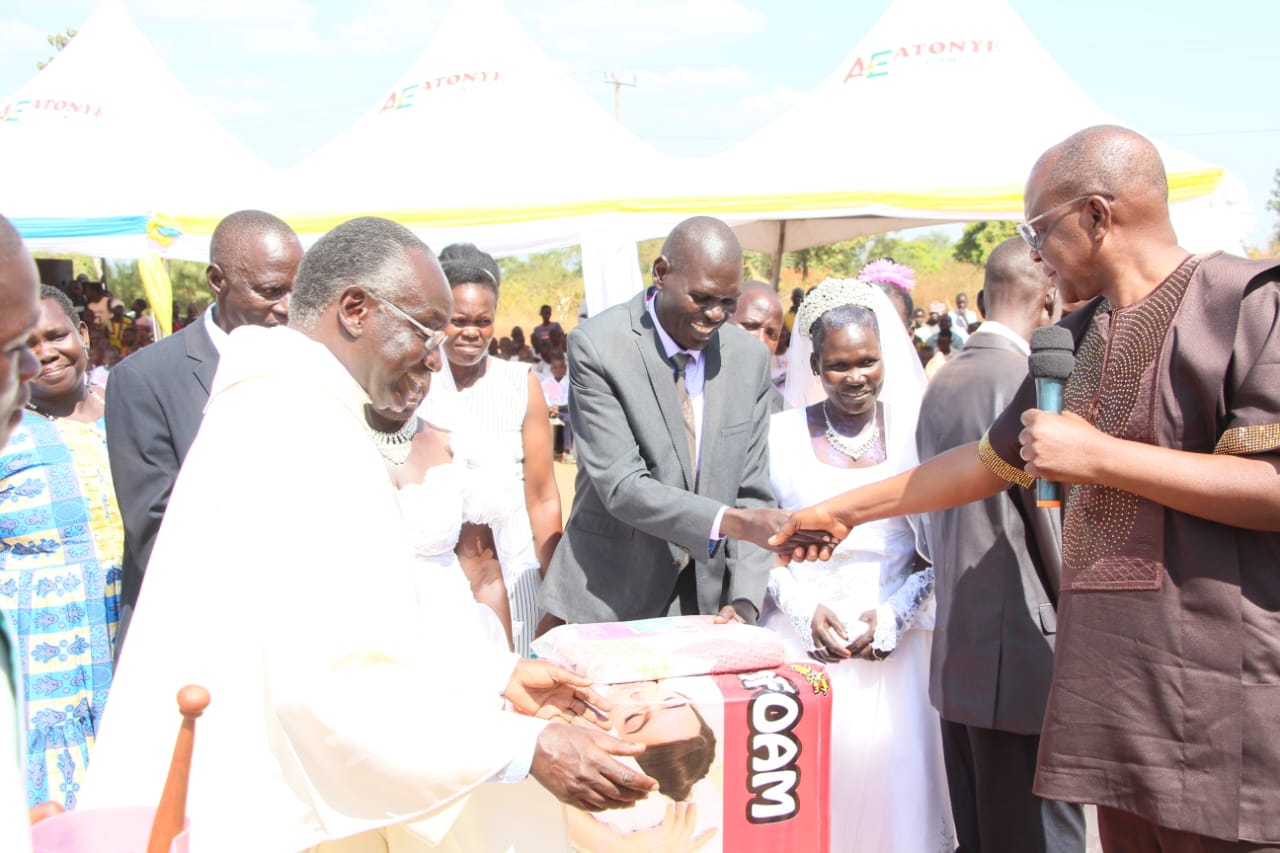
Peter Edeku Edopu, a parliamentary aspirant for Dakabela County, has laid out an ambitious plan to transform the constituency into a model, focusing on economic empowerment, improved housing, and sustainable development.
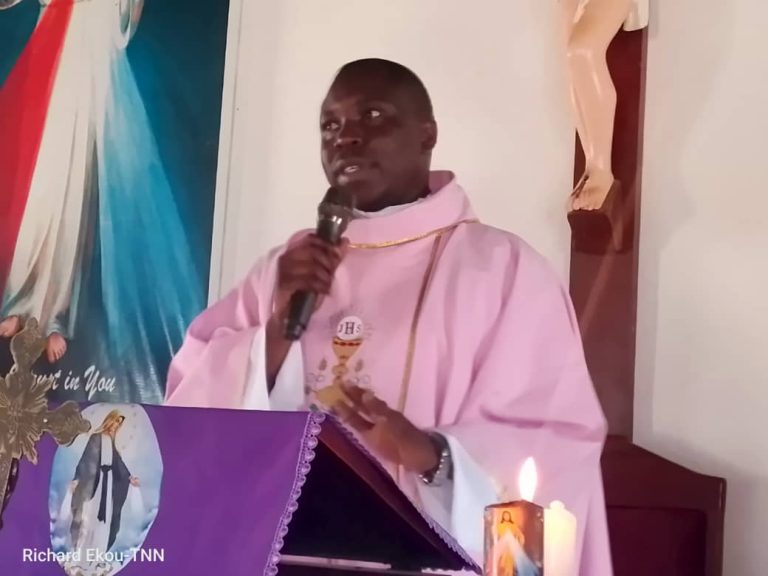
Addressing a congregation at Dakabela Catholic Parish earlier today, Mr. Edeku emphasized his commitment to driving meaningful change through grassroots mobilization and strategic leadership.

“We are going to develop Dakabela,” Mr. Edeku announced.
“We are going to increase household incomes, change the housing program, reduce grass-thatched houses, and turn Dakabela into a mini-town.”
Central to Mr. Edeku’s vision is the empowerment of women as key agents of change within households.

He highlighted the untapped potential in many families, pointing out that effective guidance and sensitization are crucial for sustainable development.
“What I’ve realized is that people have resources, but they need guidance on how to use and save them appropriately,” he said.
“You cannot simply give people money without training them on how to use it effectively. That is where leadership has failed in the past.”
Mr. Edeku criticized the lack of preparation in implementing the Parish Development Model (PDM), a government initiative aimed at alleviating poverty at the grassroots level.
He noted that inadequate education and sensitization had led to mismanagement of funds by some beneficiaries.
“Some people who have never handled significant sums of money receive it and get excited. They start thinking about long-held wishes and dreams, often spending irresponsibly. This is why some have ended up misusing the funds,” he explained.
To address this, Mr. Edeku has initiated programs that focus on financial literacy and community mobilization.
He shared success stories of women’s groups in the constituency who have significantly increased their weekly savings, transforming their financial outlook.
“People used to save 2,000 shillings a week, but now they are saving 10,000 or even 20,000. In just a few months, many have accumulated over a million shillings,” he revealed.
“This is why Dakabela will become a model constituency. These initiatives are already in progress.”
In addition to economic empowerment, Mr. Edeku aims to modernize housing in Dakabela.
He emphasized the need to phase out grass-thatched houses in favor of more durable and comfortable structures, aligning with his vision of turning the constituency into a vibrant, urbanized hub.
“We are going to see Dakabela becoming a mini-town,” he said confidently.
“Improving housing is not just about infrastructure; it’s about dignity and a better quality of life for our people.”
Mr. Edeku’s development agenda extends beyond individual households to the wider community.
His plans include strengthening local industries, improving access to education and healthcare, and fostering a culture of accountability among leaders.
He believes that sustainable growth requires collaboration and active participation from all stakeholders.
“Leadership is about preparing the community and guiding them towards shared goals,” he noted.
“We are already mobilizing people through groups, and they are taking ownership of their development.”
Mr. Edeku’s address resonated with many in the congregation, who expressed optimism about his vision for Dakabela.
“We are not just starting; we are continuing what is already in progress,” he concluded.
“Together, we can make Dakabela a model for others to follow.”
About Author