
Ugandan legislators are heading into the Easter break Shs100 million richer, thanks to a controversial cash handout drawn from the Shs4 trillion supplementary budget passed last month.
The funds are reportedly intended to facilitate mobilization of constituents in support of government programs.
But the manner in which the funds were distributed, steeped in secrecy and poor timing, has once again cast a shadow over the integrity of Parliament, mockingly dubbed “The House of Deals” by a local daily last year.

In a move that has stunned few and infuriated many, legislators from across the political divide are said to have quietly collected the funds last week.
Sources indicate that ruling party (NRM) MPs received their allocations from the Office of the President on Level 4, while opposition and independent MPs were paid out from Parliament’s Level 5.
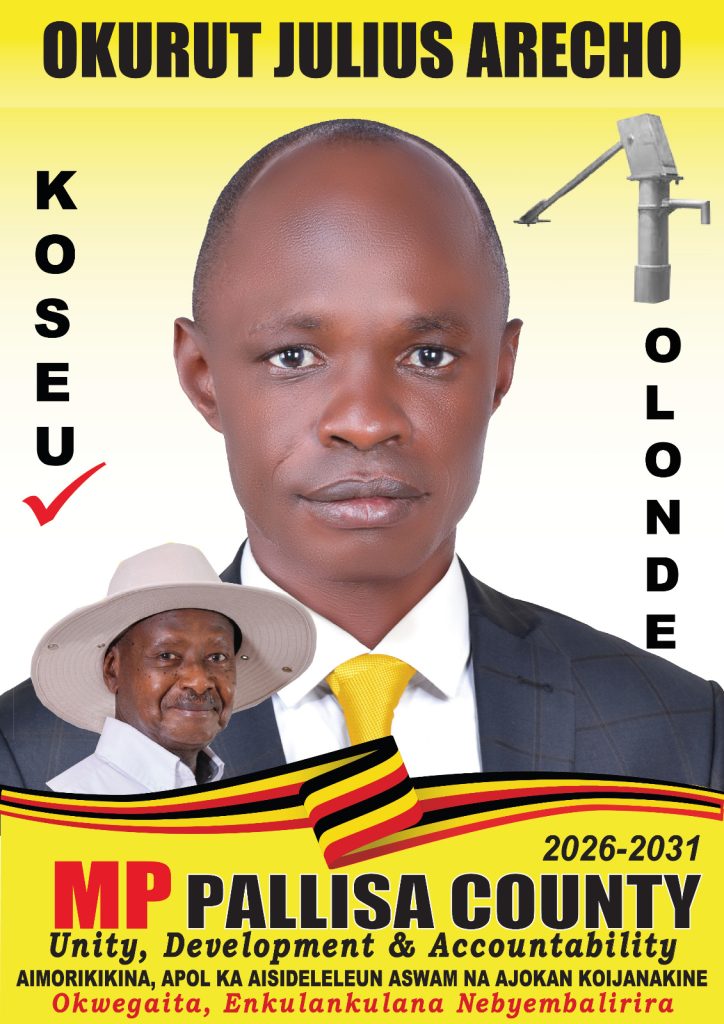
The revelation has ignited a fierce political storm, with critics questioning the transparency, intent, and legitimacy of the payout.
While some MPs admitted to receiving the money, claiming it’s meant for promoting government programs, many others remain tight-lipped or evasive.
Opposition leaders have strongly condemned the payout, accusing the government of using public funds to engage in political patronage ahead of the 2026 elections.
Robert Kyagulanyi, leader of the National Unity Platform (NUP), has been among the most vocal critics of the cash bonanza.
“We need clear accountability and transparency in how this money is being spent,” he told reporters last week at Parliament.
“It’s crucial that Ugandans know where their money is going.”
With each of Uganda’s 529 MPs reportedly receiving Shs100 million, excluding over 28 ex-officials, the total payout runs into the tens of billions.
The sheer scale and timing of the disbursement have raised eyebrows across the political spectrum.
Some lawmakers have expressed unease over the implications of such a move, suggesting it could erode public trust and entrench a culture of political manipulation.
Others, however, have defended the distribution, arguing that effective mobilisation requires adequate funding, particularly as the country gears up for another electoral cycle.
This is not the first time Parliament has come under fire for doling out large sums of money to its members.
In 2017, legislators each received Shs200 million to cater for so-called “unforeseen expenses” during the controversial process of amending the Constitution to remove the presidential age limit, a move that paved the way for President Yoweri Museveni to extend his rule.
A year later, in 2018, Parliament allocated Shs10 billion for MPs to conduct “consultations” ahead of the contentious age-limit vote, another move that drew sharp criticism from the public and civil society.
Such instances have only deepened public skepticism about the true intentions behind these cash payouts
Many Ugandans now question whether these funds are genuinely meant to enhance representation or are being used as tools for political influence and control.
The latest cash handout has reignited debates around corruption, accountability, and the role of MPs in promoting government programs.
With Uganda’s political landscape increasingly shaped by patronage and resource allocation, critics warn that such practices undermine the country’s democratic principles.
As the public awaits further clarification and official communication on the purpose and management of the funds, calls for a full audit and public disclosure continue to mount.
Source: Nile Post
About Author