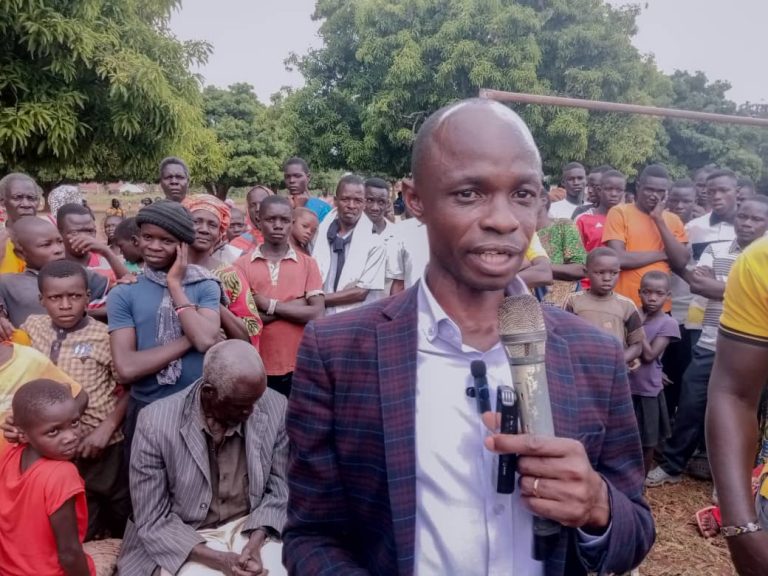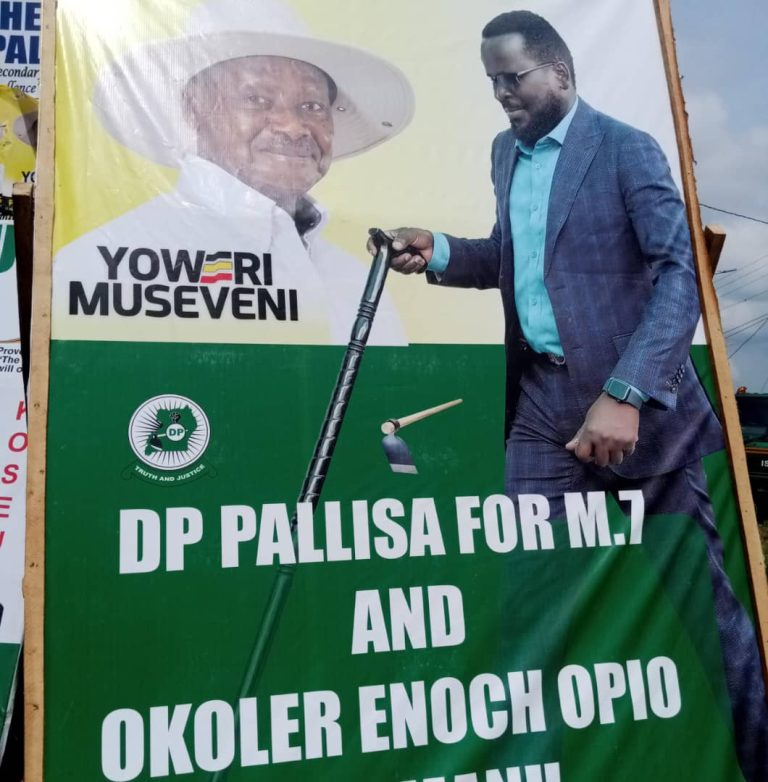
Boda Boda riders in Serere District have appealed to the government to reduce the multiple layers of taxes and fees imposed on them.
The riders cite financial strain and selective enforcement as key challenges facing the sector.

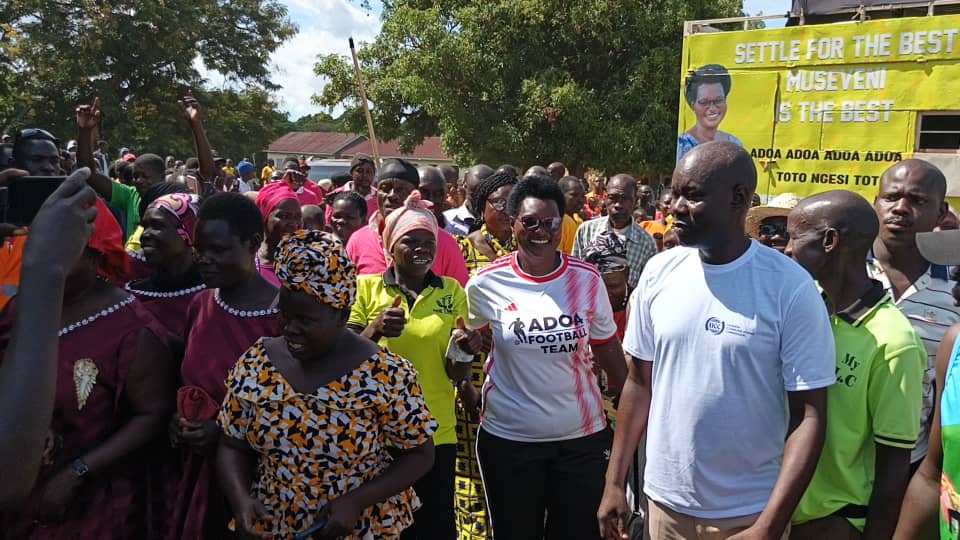
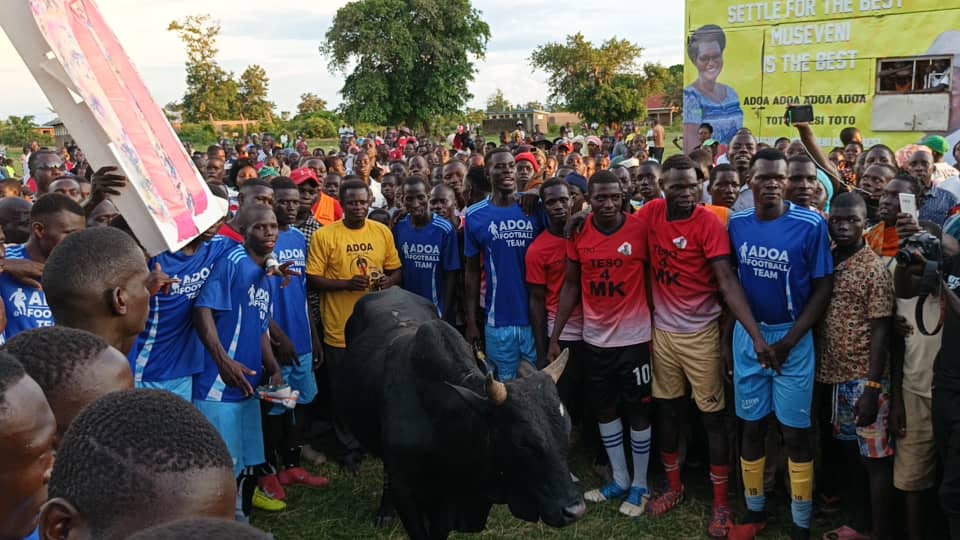
The riders voiced their concerns during a football tournament organized by Serere District Woman Member of Parliament and State Minister for Fisheries, Hon. Hellen Adoa, held at Moru-Atiang Primary School on Friday.
The event, meant to foster community engagement and youth development, turned into a platform for the riders to express long-standing grievances.
“We pay everywhere we go. The government sees us only when they want money or want to chase us,” said John Okello, a 32-year-old rider from Labor County who has been in the business for nearly ten years.

According to Okello, Boda Boda operators are subjected to a range of financial obligations including annual registration, daily stage fees, and municipal licenses.
In addition, he noted that whenever they enter urban centers like Soroti City, they are charged extra fees purportedly for road maintenance and street lighting.
Another rider, who requested anonymity for fear of reprisals, decried the frequent traffic stops and on-the-spot fines imposed by police.
“This is legalized extortion,” he said. “How can someone making UGX 30,000 a day be expected to pay five different taxes? By the time you buy fuel and eat lunch, you’re left with nothing.”
His sentiments were echoed by Susan Akello, a wife to one of the riders.
“We support order, but why do they ambush our riders like criminals? If they want them to register, make it simple and affordable. Don’t beat our riders and take their bikes.”
Riders also pointed out the lack of uniform enforcement of traffic and operational regulations. They claimed individuals with political backing or connections to security personnel are often exempt from crackdowns.
“Rules should apply to everyone,” said another operator. “It’s unfair that some are arrested while others ride freely simply because of who they know.”
While Ugandan law mandates that motorcycle riders obtain a Class A permit, many Boda Boda riders operate without one. The high cost of driving school fees and the bureaucracy involved in acquiring licenses deter compliance.
The Uganda Police Traffic Report of 2023 revealed that motorcycles were involved in over 40% of road accidents in the country, contributing to thousands of fatalities annually.
While critics often blame rider recklessness, those within the industry argue that poor infrastructure and inadequate government support also contribute to the high accident rates.
“Train us, don’t just fine us,” said Daniel Okello, a rider from Kyere Town Council. “Give us driving schools we can afford. Improve the roads. We want to be safe too.”
According to the Ministry of Works and Transport, the sector employs an estimated 1.2 million riders and contributes billions of shillings annually. Yet, most riders remain economically vulnerable and lack access to social protections.
To address some of these issues, the Ugandan government has introduced various initiatives including registration drives, partnerships with driving schools, and promotion of SACCOs (Savings and Credit Cooperative Organizations) to improve access to credit and insurance.
There are also plans to introduce electric motorcycles to reduce fuel costs and emissions.
However, implementation has been inconsistent. Riders complain that many of these programs either stall or fail to reach grassroots operators due to corruption, lack of coordination, or insufficient funding.
During her address at the tournament, Minister Hellen Adoa acknowledged the vital role played by Boda Boda riders in the country’s transport system.
“You are the unsung heroes of our economy. You move people, goods, and services across this nation every day,” she said.
Minister Adoa encouraged riders to organize into groups so they can benefit from government programs such as Emyooga and the Parish Development Model.
She also urged them to diversify their income by engaging in agriculture and small businesses.
“Don’t abandon your families,” she added. “Work hard, but also make sure you build your homes and educate your children.”
About Author