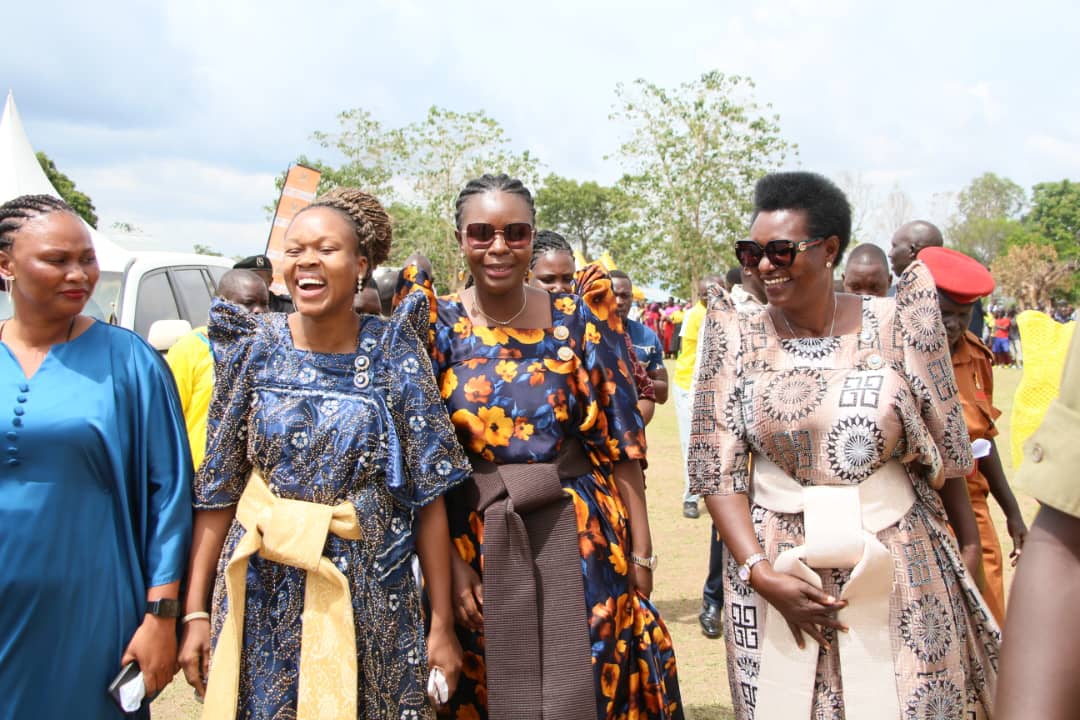
The Serere District Woman Member of Parliament and State Minister for Fisheries, Hon. Hellen Adoa, has expressed concern over the increasing cases of domestic violence caused empowered women who allegedly abuse or disrespect their male counterparts.
Speaking during the belated Soroti District Women’s Day celebrations held at Ocokican Sub County, Adoa called for a return to values of mutual respect within families, especially as more women continue to rise economically through government programs such as the Parish Development Model (PDM).
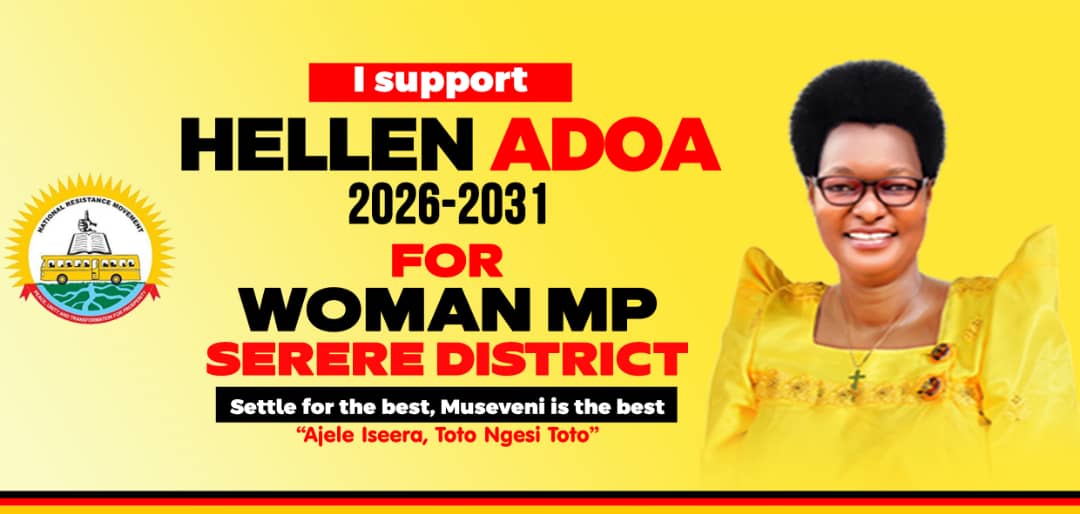
“Most women have tried to misuse it. We have become so big, and some of us because we have some little money, we now want to command our husbands. But even when you are a Minister, an MP, or a businesswoman, you should still respect your husband. The man is a man, the woman is a woman, we can never be the same. We can only be equal by doing things. You can never make yourself pregnant, nor can a man become pregnant,” Adoa said.
Minister Adoa emphasized the importance of maintaining family cohesion and respect in spite of professional or financial success.
“Even if you are a powerful woman, don’t make the mistake of disrespecting your husband. Let your man remain a man. Even when you are not married, respect the men around you, your father, your brother, your uncle, your neighbor. And most importantly, take care of the children,”
Her remarks come at a time when Uganda’s legal framework continues to boost women’s rights and empowerment through several statutes.
The Uganda Constitution (1995) under Article 33 guarantees women full and equal dignity with men and provides for affirmative action.
Additionally, the Domestic Violence Act (2010) and the Equal Opportunities Commission Act (2007) further strengthen the legal basis for women’s social and economic participation.
Programs such as the Parish Development Model, which was launched in 2021 as Uganda’s strategy for delivering services and financial inclusion at the grassroots level, have provided a structured platform for economic empowerment, especially for women.
According to Soroti District statistics from the Ministry of Local Government and PDM Secretariat, over UGX 9.8 billion was disbursed to the district under the Parish Development Model by the end of 2024.
So far, 52% of the PDM SACCO beneficiaries in Soroti are women, with more than 1,100 households reporting improved incomes and small-scale enterprises across farming, tailoring, and trade.
State Minister for Disaster Lillian Aber also used the occasion to reaffirm the government’s commitment to fighting poverty in the Teso sub-region through PDM and other social protection programs.
She tasked local leaders, particularly Resident District Commissioners (RDCs), to vigilantly monitor these programs.
“Let us chase poverty out of Teso. The Parish Development Model is a gift for the grassroots, and RDCs must ensure that it works. I also urge the CAO of Soroti to write to my office for assistance in disaster-affected areas, with guidance from the Soroti Woman MP Anne Adeke,” said Aber.
She further urged citizens to practice “politics of development” rather than empty rhetoric, encouraging them to elect leaders who serve in Parliament diligently rather than “jokers.”
“There are good opposition leaders who deserve to be re-elected. Let’s look at performance, not party color,” she added.
Soroti Woman MP Anne Adeke Ebaju, a vocal advocate for youth and women empowerment, emphasized the importance of financial literacy and community organization.
“I urge the people of Soroti to join savings groups. These are your entry points into government support like PDM, Emyooga, and UWEP. Without organized structures, you’ll be left behind,” she warned.
Adeke also cautioned against politics based on identity, religion, or tribe, calling for a new wave of unity and national purpose.
“Desist from politics of identity, division, and tribalism. It’s not about who comes from where, it’s about who works for you and delivers results,” she said.
Her words aligned with Uganda’s National Development Plan III, which emphasizes social cohesion and inclusion as critical for achieving middle-income status.
Uganda’s progress in women’s empowerment remains notable, with women now constituting 34.9% of the 11th Parliament, one of the highest in Africa.
Programs like PDM and affirmative action laws continue to serve as pillars of economic and political inclusion.
About Author