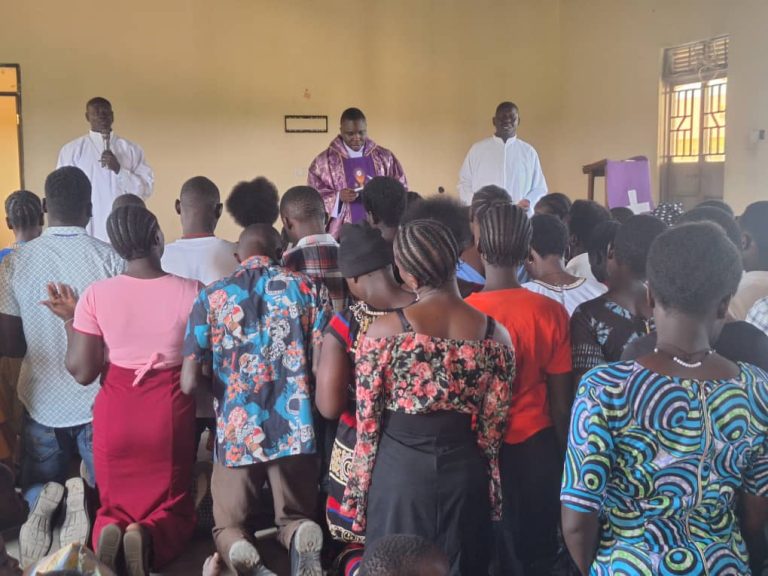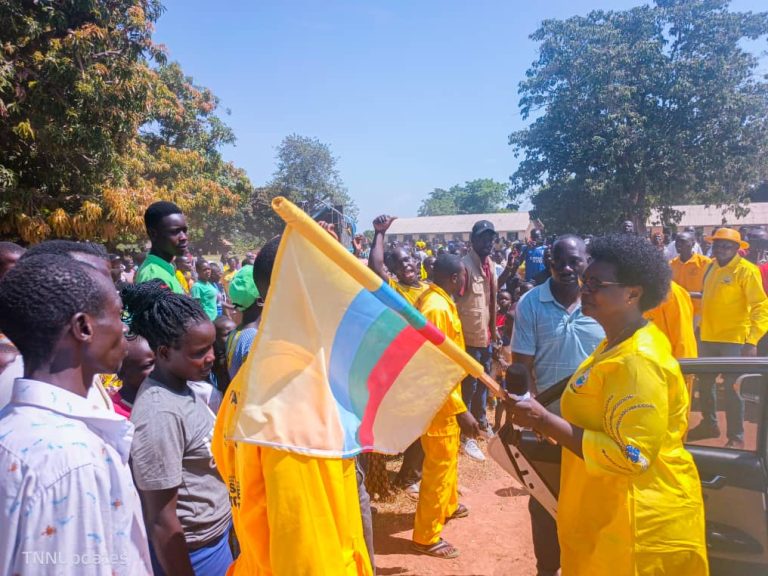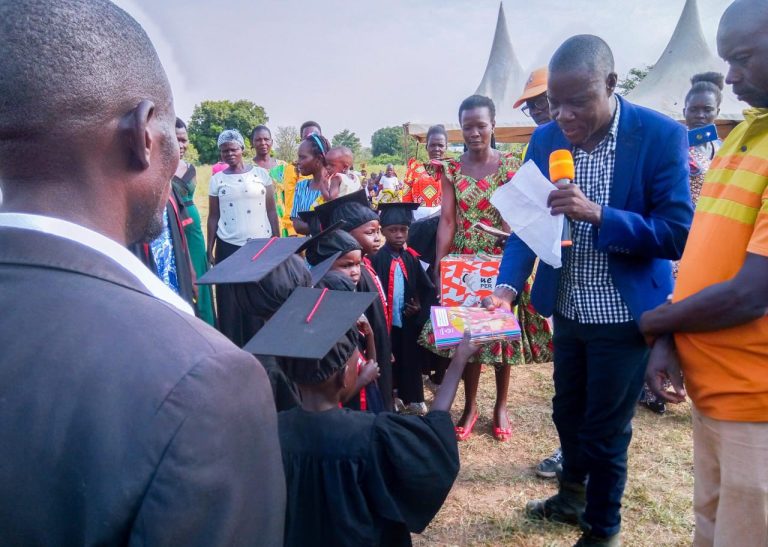
The Land and Equity Movement in Uganda (LEMU) has officially re-established its presence in Apac District, in what leaders are calling a “grand return” to the birthplace of the organization’s work on land rights and indigenous seed preservation.
The move, announced during a public event on Friday in Chegere Sub-county, Apac District is expected to significantly reduce land-related conflicts and revive indigenous seed varieties that have been rapidly disappearing in the Lango sub-region.

Dr. Theresa Auma, the Executive Director of LEMU, said the decision to open a permanent office in Apac was both symbolic and strategic.

“Apac is the district where LEMU’s work began in 2003,” she said. “We worked very hard with the communities, with the clans, and with the local government. The work of LEMU that you see shining today was born and raised in Apac. After a few years of limited activity due to funding constraints, this marks a grand return to continue serving the people.”
According to Dr. Auma, LEMU’s new office will serve as a hub for training clan leaders, mediating land disputes, and preserving indigenous seeds.

Already, more than 200 clan leaders have been trained, and a partnership has been established with law students from Uganda Christian University (UCU) to help resolve land disputes through mediation.
The new office is not just a symbolic gesture but comes with tangible backing from the local government.
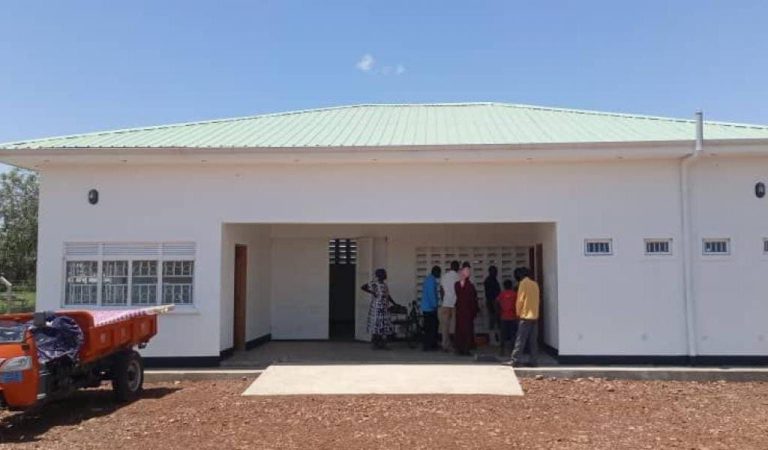
Chegere Sub-county and the Apac District leadership have provided LEMU with a fully furnished building, complete with electricity, as well as two acres of land.
The land will be used to establish demonstration farms for indigenous seeds, vegetables, and agro-forestry gardens.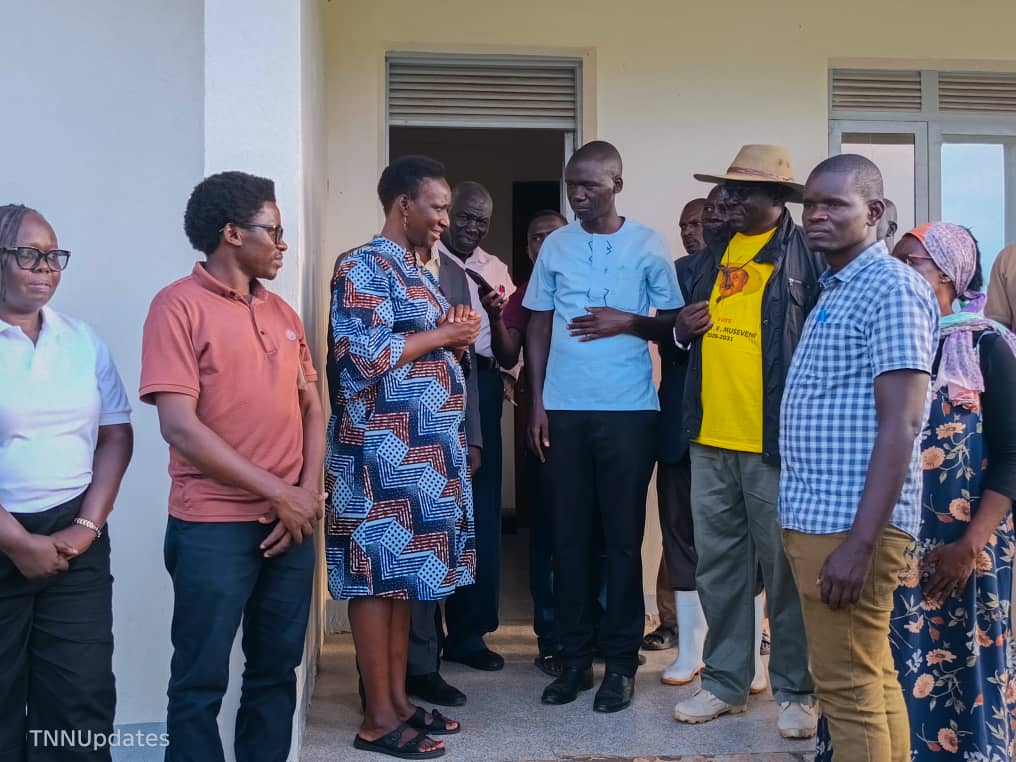
Innocent Abou, the Sub-county Chief of Chegere, praised LEMU’s impact on reducing land-related disputes in the area.
“Every day that I sit with my team in the office, we find the Area Land Committee handling cases of land conflict,” Abou said.
“Since partnering with LEMU, we have started to see a reduction in these disputes. This has freed us to focus on other development priorities. We believe that by offering them land and office space, we are cementing a permanent partnership that will benefit not only Chegere but the entire Lango sub-region.”
Abou added that unlike some organizations whose impact fades after a short time, LEMU has consistently left a lasting mark in communities.
“That is why we went ahead to give them land and space for free. This is about security, continuity, and making sure the community benefits from every intervention.”
Lango, like much of northern and eastern Uganda, is a predominantly agrarian society, with 95% of its economic and social life tied to land.
However, the region has been plagued by increasing land-related conflicts, fueled by population growth, land sales, and unregulated loans.
“These conflicts have led to imprisonment, family breakdowns, and in some cases, even death,” said Dr. Auma.
“People are losing their land, their productivity, and their local seeds. That is why LEMU is here, to help people recover their land, their culture, and their livelihoods.”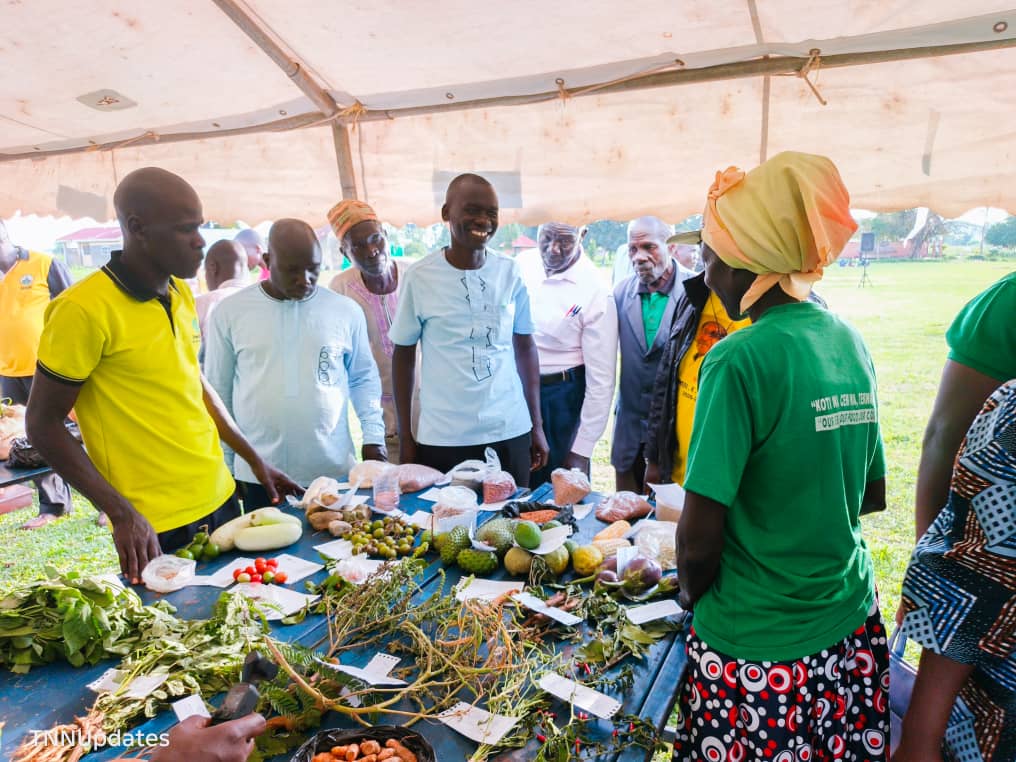
One of the highlights of the new program is the introduction of mediation services for land disputes.
Through collaboration with UCU law students, families and clans will be able to resolve conflicts without going through costly and lengthy court battles.
“For many in our community, hiring a lawyer is impossible,” said Abou.
“LEMU’s approach of using trained mediators and law students is lifting a huge burden from our people’s shoulders.”
Alongside land disputes, LEMU has raised alarm over the rapid disappearance of indigenous seed varieties in Lango.
Farmers complain that modern seeds often fail to multiply or have been damaged by chemicals, leading to declining productivity and food insecurity.
To address this, LEMU has launched the “Keep Your Land, Keep Your Seed” initiative, which connects land protection to seed preservation.
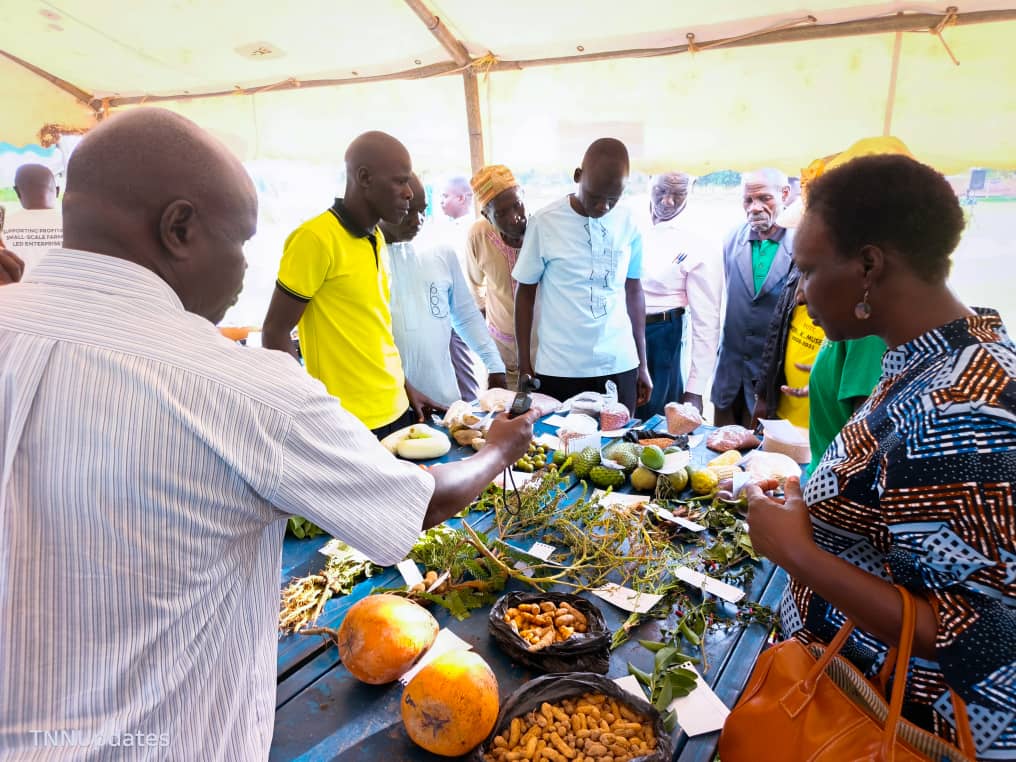
Farmers are being encouraged to safeguard their indigenous seed varieties, which are being exhibited and exchanged through community events.
“The seeds we are losing are not just crops, they are part of our culture and identity,” Dr. Auma emphasized. “Reviving them is about food security, but also about preserving who we are as a people.”
The two acres provided by the Apac District government will serve as a demonstration site where different indigenous food varieties will be planted, preserved, and studied.
Community members will have access to these seeds to reintroduce them into their farming systems.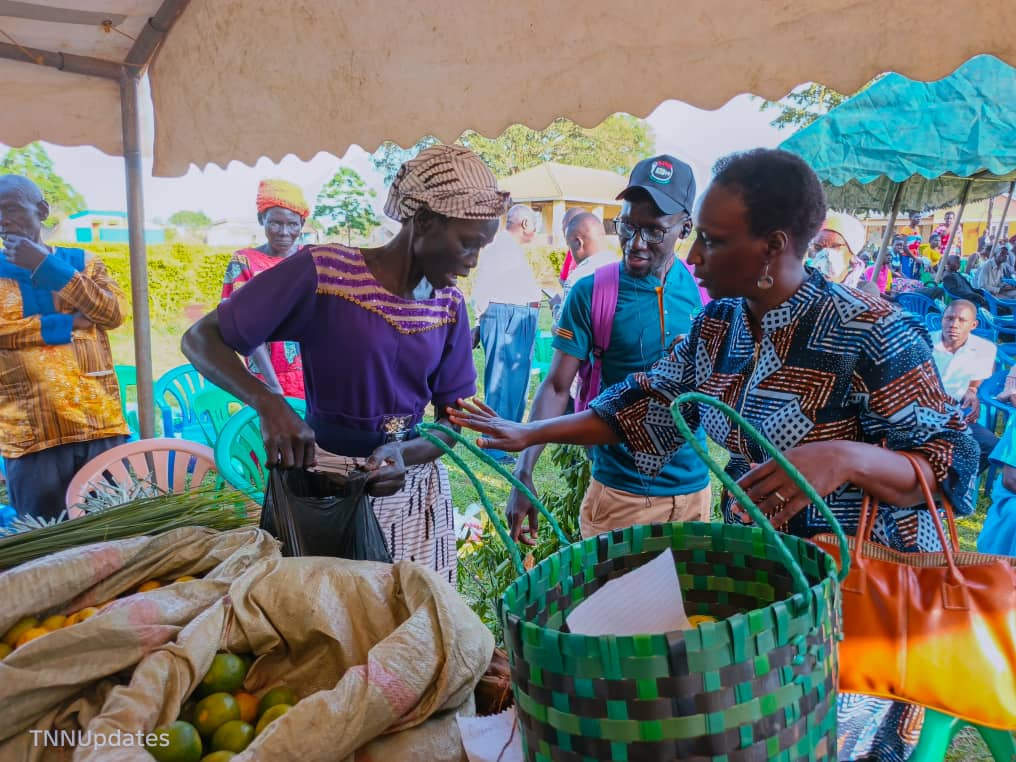
Community elders and leaders welcomed LEMU’s return.
Charles Omara, one of the elders who attended the launch, said the organization’s work is already helping to restore harmony in families.
“Land disputes have torn apart brothers and sisters in our villages. Some families no longer speak to each other,” Omara said.
“But with mediation and the training of clan leaders, we are seeing hope. Our seeds too, many of them we thought were gone, are being brought back.”
Farmers also expressed optimism that the new office would help them reduce dependence on expensive commercial seeds.
“The indigenous seeds are stronger, they can withstand drought, and they don’t need chemicals,” said one farmer at the seed exhibition. “We are ready to learn and bring back what we lost.”
With land being the backbone of rural economies, leaders believe that tackling land conflicts and preserving seeds will lay the foundation for broader economic transformation.
“If you want to cause real economic change in Lango, you must protect land first,” Abou stressed. “LEMU is the right partner for this mission.”
Dr. Auma echoed this, noting that land and seeds are inseparable pillars of rural livelihoods.
“When you have land, you have life. When you have seeds, you have food. If we lose these, we lose ourselves. That is why LEMU’s work is critical now more than ever.”
The organization is also calling on other partners to join the cause, warning that the challenges of land degradation, conflict, and seed loss require collective effort.
“We are here to wake people up,” Dr. Auma concluded. “To remind them that our future depends on protecting our land and our seeds. This is what makes us a people, and this is the legacy we must pass on to the next generation.”
For advertising or to run your news article, contact us on 0785674642 or email tesonewsnetwork@gmail.com.
About Author