
By John Ogulei and Emmanuel Okiria
The Land and Equity Movement in Uganda (LEMU), in collaboration with OXFAM and a coalition of civil society partners, has launched a groundbreaking farmer-centered initiative aimed at restoring food sovereignty and preserving both land and indigenous seed varieties in Northern and Eastern Uganda.

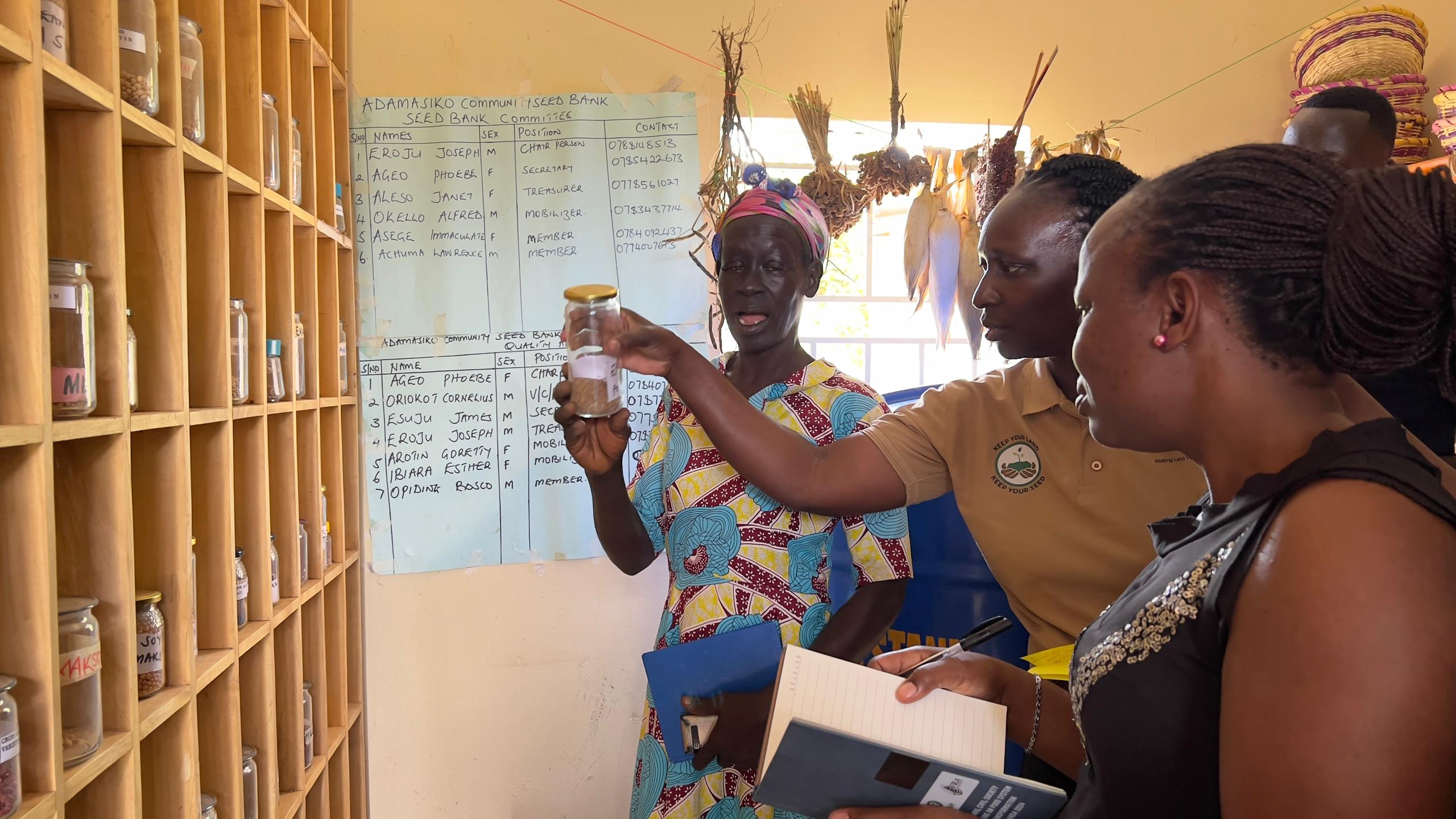
The “Keep Your Land, Keep Your Seed” campaign, officially launched last year in Okwongodul Sub-county, Dokolo District, is gaining strong momentum with the recent visit of the campaign members and stakeholders at the Adamasiko Indigenous Community Seed Bank, located in Katine, Soroti City.

The event, hosted by the Ojom Oculoi Olwelai Joint Farmers Cooperative Society Limited (OJOFACOS), attracted a rich mix of farmers, cooperative leaders, development actors, and NGO representatives with a shared mission to protect the land and seed rights of Ugandan farmers.
The seed bank, supported by OXFAM, the Community Integrated Development Initiative (CIDI), and Participatory Ecological Land Use Management (PELUM Uganda), served as a learning ground where attendees exchanged ideas, shared experiences, and mapped out collaborative strategies.

With its growing network of over 500 members (203 men, 210 women, and 120 youths) the cooperative exemplifies the resilience and innovation that the campaign seeks to replicate across Teso, Lango, and Acholi sub-regions.
The campaign stems from over two decades of reflection by LEMU on the core question: Who controls the food that local farmers produce?
According to Dr. Theresa Auma, Executive Director of LEMU, the answer increasingly points to systemic loss of both land rights and traditional seed varieties.
“Our 20-year reflection on land issues in Uganda shows that land ownership is intrinsically linked to food sovereignty. Without control over their land and seeds, farmers are losing their ability to feed themselves and future generations,” Auma explained.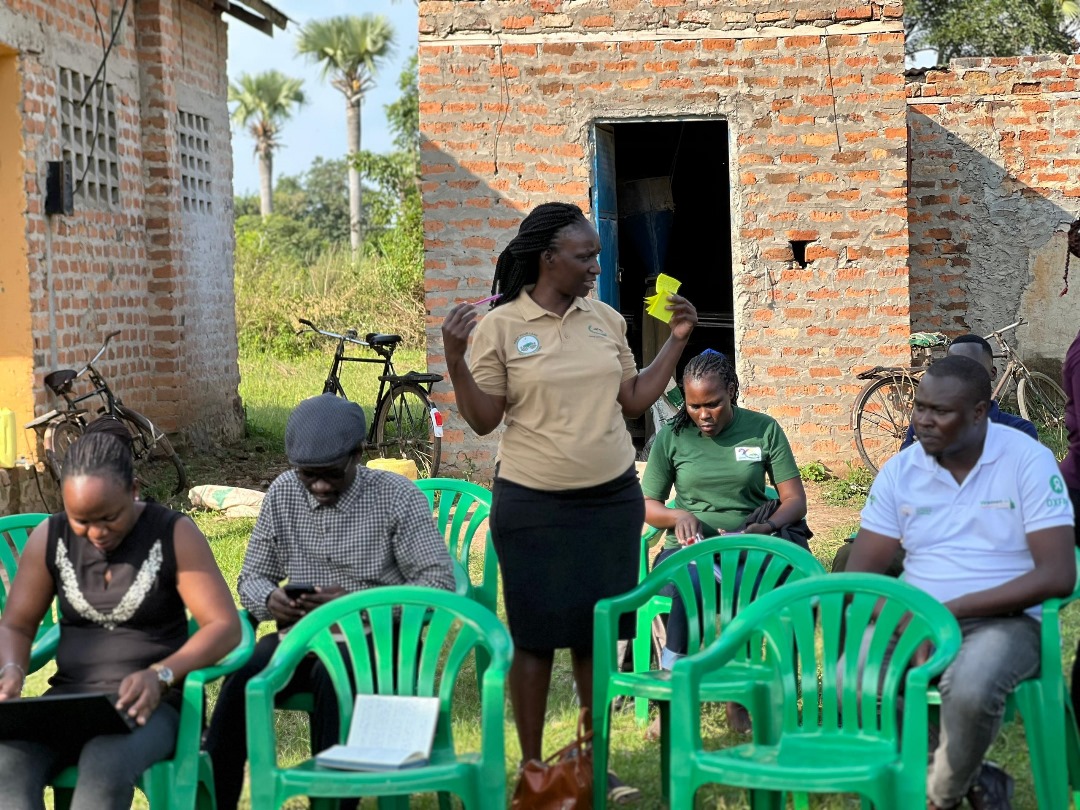
“That is why we started this campaign, to combine efforts around both land and seed rights, because one cannot be addressed without the other.”
Dr. Auma announced that a major component of the campaign will be the creation of a Directory of Indigenous Seeds, enabling farmers across Teso, Lango, and Acholi to exchange seeds, preserve biodiversity, and build collective resilience.
LEMU will lead efforts focused on land rights, while other partners, like CIDI, PELUM, and COPACSO, will handle various aspects of seed preservation and agriculture.
“We envision a living library of seeds—documented, stored, and shared,” said Dr. Auma. “This will not only protect us from genetic erosion but also empower farmers with autonomy over their food systems.”
As climate change and modern agricultural pressures continue to endanger traditional knowledge, the Keep Your Land, Keep Your Seed campaign provides a refreshing counter-narrative: one rooted in collaboration, community empowerment, and cultural preservation.
Adamasiko Seed Bank which was established in 2006 by 15 farmer groups, the cooperative has since grown into a robust entity.
The cooperative’s mission has expanded to include seed production, bulk sales, credit and savings programs, and capacity building for indigenous seed preservation.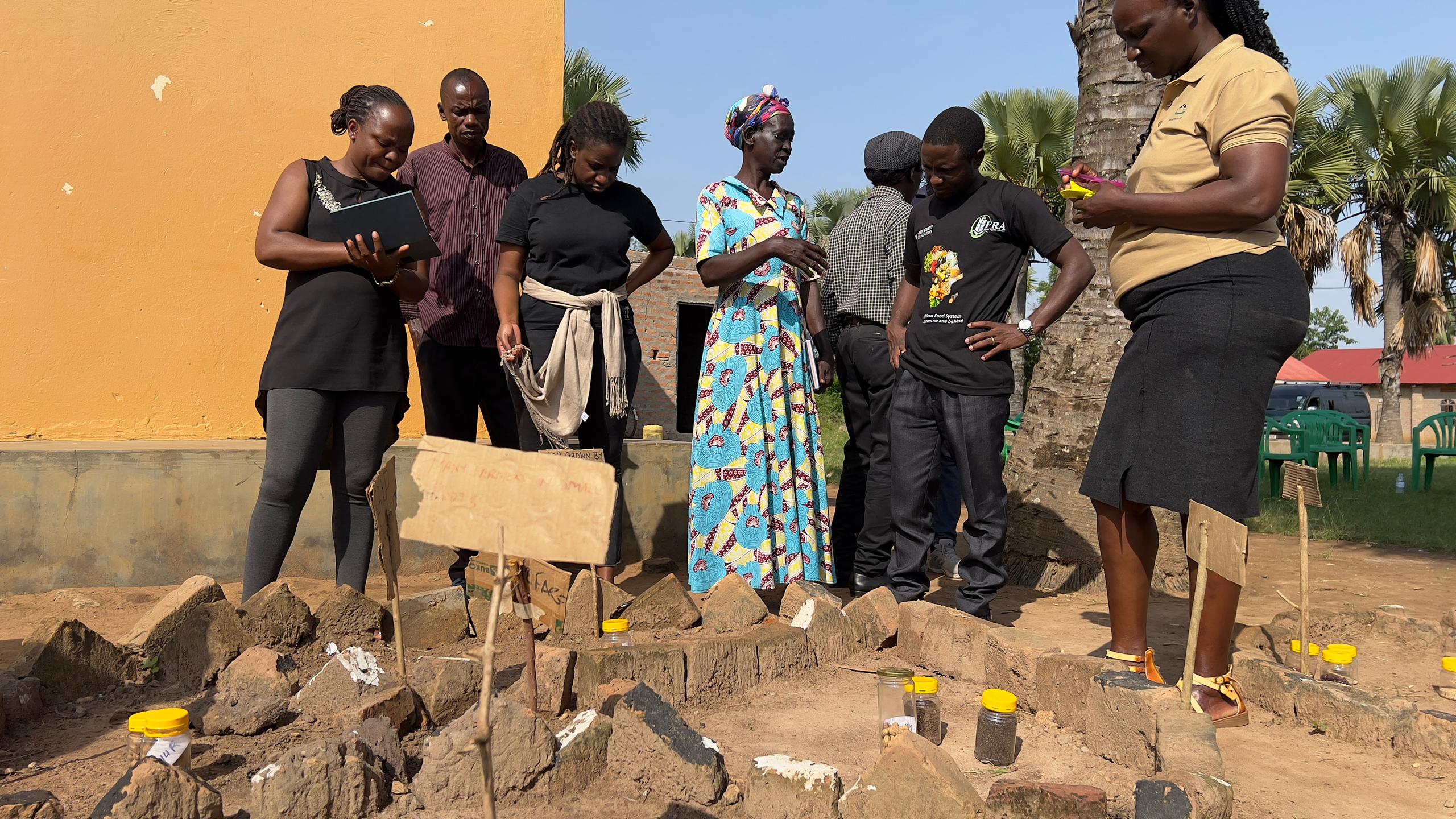
According to Eriau Michael, Team Leader of the seed bank and head of OJOFACOS, the transformation journey took a decade of persistence.
“From a loose association to a certified cooperative, we now provide seeds, inputs, and knowledge that our farmers need to thrive, especially in a world that increasingly neglects indigenous wisdom,” he said.
With dedicated spaces for seed storage, display, input management, and knowledge sharing, the facility helps preserve critical crops such as beans, groundnuts, maize, black peas, and sukuma.
Notably, lost or nearly-forgotten crops like oyster nuts and indigenous pasture seeds are also receiving renewed attention.
Stakeholders from across Uganda’s development landscape attended the event to reaffirm their commitment to the campaign.
Each brought unique perspectives and proposals for long-term sustainability.
Lukanga Musisi Samuel, Team Leader at CIDI Soroti, lauded Adamasiko’s persistence in keeping indigenous seeds alive.
“This journey has had its challenges, but your commitment has never wavered,” he told the farmers. “We must now ensure the campaign grows stronger by aligning our efforts and avoiding duplication.”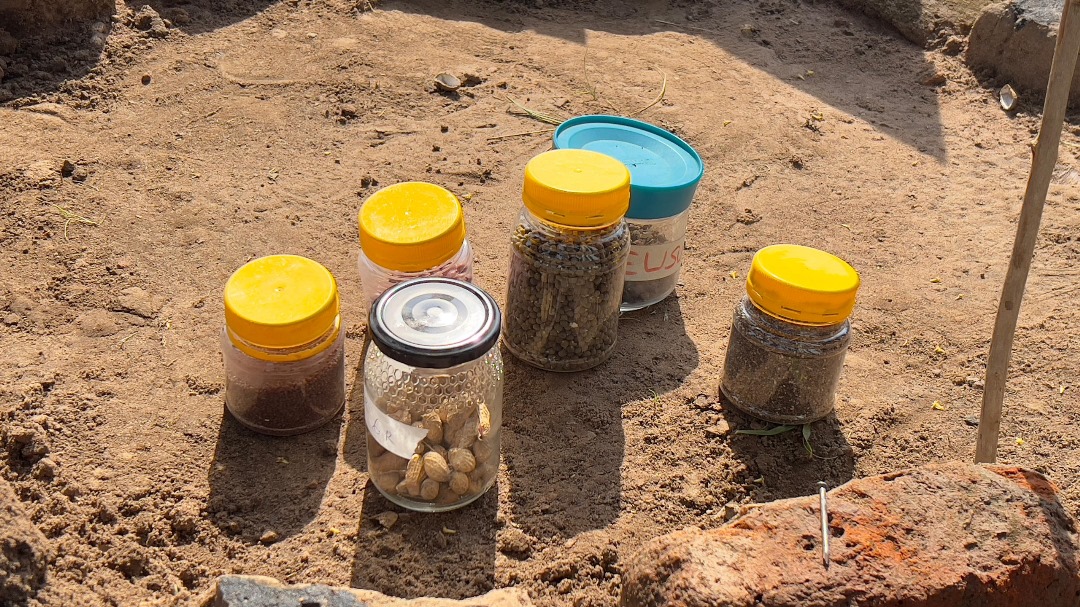
He credited the seed banking concept to PELUM Uganda and urged partners to rally behind the Keep Your Land, Keep Your Seed campaign.
“Let’s multiply seeds and strengthen land tenure security. The two go hand in hand, especially for women, who face barriers in both areas,” he emphasized.
Lawrence Kanakulya of PELUM Uganda called for sustainability measures, likening seed saving to financial savings.
“Every seed saved is a form of insurance against future scarcity. Let’s build a seed economy based on solidarity, not just sales,” he said.
Chris Edison Okwera, Monitoring & Evaluation focal person at OXFAM, applauded the cooperative’s leadership for its transformative journey.
“This is a great model of grassroots change that we hope to replicate in other areas. We must also explore policy interventions to recognize farmer-developed seed varieties,” he noted.
Jonathan Lubega from the Southern and Eastern Africa Trade Information and Negotiations Institute (SEATINI) raised concerns about Uganda’s poor post-harvest handling, which often leads to rejection of agricultural exports.
“We need value addition, better branding, and adherence to standards if our farmers are to benefit from regional and international markets,” he stressed.
Brian Agaba of the Coalition of Pastoralist Civil Society Organisations (COPACSO) brought a different dimension by highlighting pasture seeds for animal feed.
“We are losing our native pastures and facing a growing threat from acaricides that harm livestock. The campaign must also include animal feed security,” he said.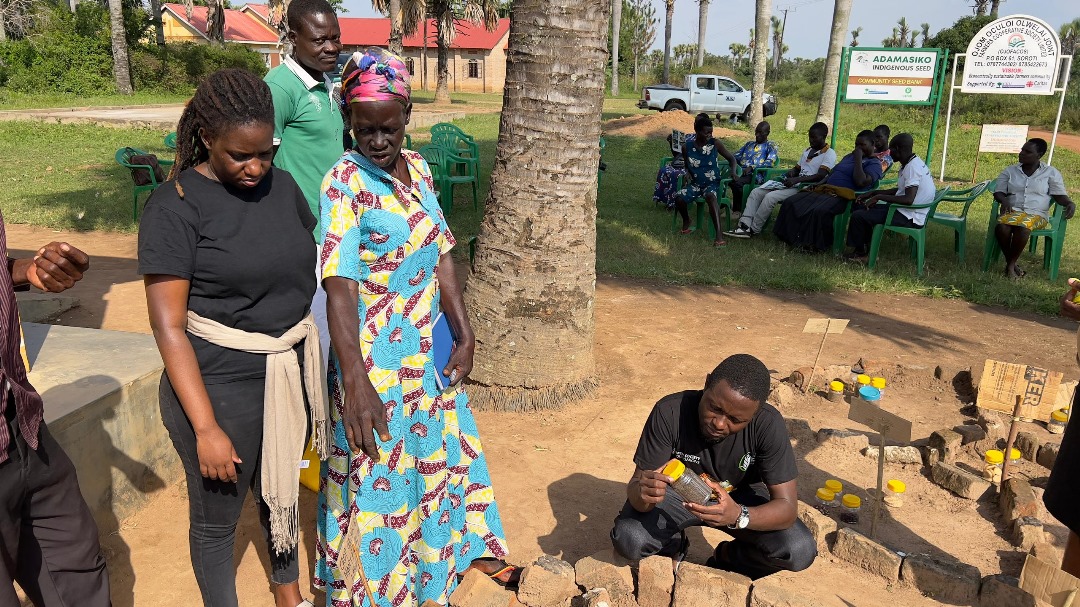
The Adamasiko Cooperative is not just about preserving seeds. It is also a beacon of ecological sustainability and self-reliance.
Through eco-friendly farming techniques, farmers reduce dependence on synthetic pesticides and fertilizers.
Some of their innovative practices include:
- Seed saving and sharing: Farmers contribute to the seed bank and withdraw seeds suited to the local environment.
- Natural pesticides: Locally made solutions allow safe and immediate consumption of sprayed crops.
- Seasonal rotations: Techniques that preserve soil nutrients and increase productivity.
- Home gardening: Families grow vegetables year-round, boosting nutrition and reducing costs.
- Farmer knowledge exchanges: Sessions where farmers revive lost crops and share traditional agricultural practices.
A cooperative member summarized it best: “Adamasiko is showing the world that food security begins with cultural pride and community-driven action. We are not just planting seeds, we’re planting hope.”
The campaign, still in its early years, is already attracting attention beyond its founding organizations. It now boasts over 10 active partners working across various sectors: OXFAM, PELUM Uganda, CIDI, LEMU, Food Rights Alliance (FRA), Uganda Community-Based Association for Women and Children Welfare (UCOBAC), LANDnet, SEATINI, COPACSO, Uganda Agribusiness Alliance (UAA), Eastern and Southern Africa Small Scale Farmers Forum (ESAFF Uganda).
“We are working to bring the campaign to every village, every farm, and every woman and youth in Uganda,” Dr. Auma emphasized. “Because food security is not about foreign aid or GMOs, it’s about land rights, seed sovereignty, and the wisdom of our ancestors.”
Indeed, the Keep Your Land, Keep Your Seed campaign is more than a project. It is a movement, one seed, one farm, and one community at a time.
About Author










Congratulations well done seed is Life, my seed my life