By Emmanuel Olinga
Gender-based violence (GBV) remains a growing concern in Katakwi District, with 581 cases reported in 2024 and an additional 86 cases recorded in just the first quarter of 2025, according to the latest district report compiled by the Probation Office in collaboration with several partners.

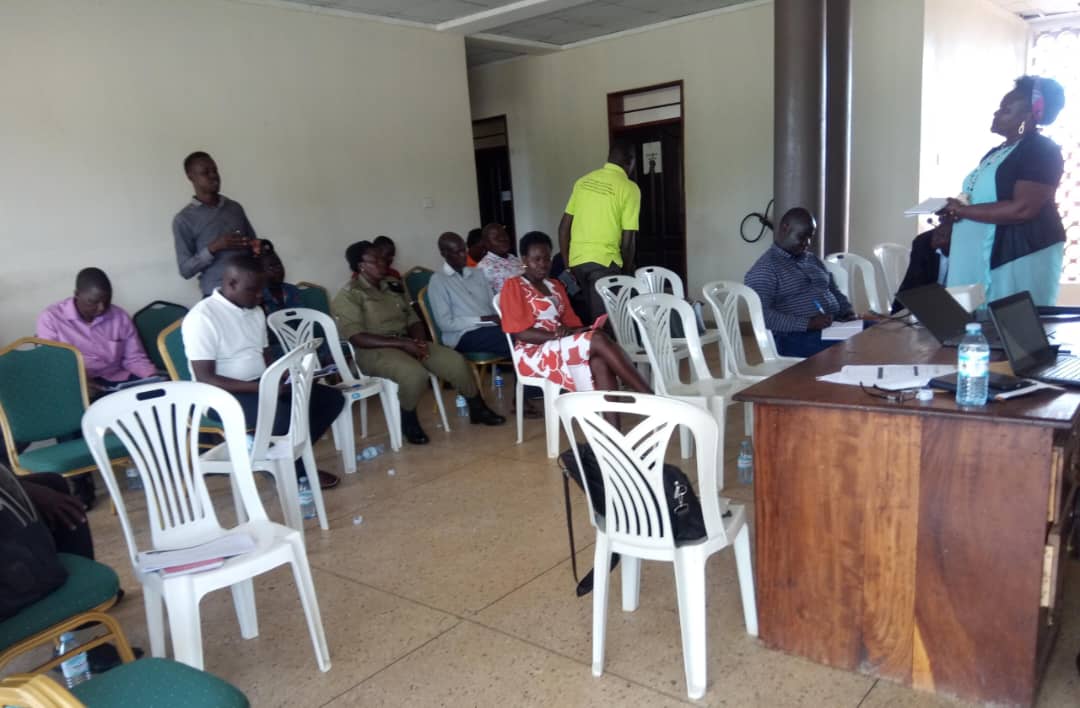
The report, presented during a stakeholder training workshop organized by Kifad in Omodoi Sub-county, highlights various forms of violence, including physical, emotional, psychological, and economic abuse.

The training brought together representatives from the Child and Family Protection Unit (CFPU), health workers, cultural leaders, police, and district officials from sub-counties like Magoro and Omodoi.
Katakwi Town Council registered the highest number of cases with 224, followed by Usuk Sub-county with 166 and Toroma Town Council with 106.

Other areas with notable figures include Magoro (50), Ongongoja (13), Okulonyo (7), and Palam (6). Some sub-counties such as Katakwi, Akoboi, Amusia, and Kapujan recorded the lowest numbers, with only one case each logged in the system.
Senior District Probation and Welfare Officer Betty Angiro attributed the escalating violence to poverty, alcoholism, and ignorance of the law.
She warned that GBV is undermining progress in key areas such as girl-child education, noting that most victims are school-aged girls in upper primary and lower secondary levels.
“Gender-based violence is now a serious social issue. We need collective action from all stakeholders to combat this crisis,” Angiro emphasized.
Sgt. David Malinga of the CFPU revealed that from January to December 2024, 309 cases were reported to Katakwi Central Police Station, with 37 forwarded to court.
In the first quarter of 2025, 86 cases were documented, and 11 have already been submitted for legal action.
He cited causes such as alcoholism, multiple sexual partners, and family disputes during food harvest seasons, leading to economic violence.
His Worship Ronald Mwesigye, Grade One Magistrate of Katakwi, urged communities not to compromise the justice process for GBV victims through informal settlements or bargaining, emphasizing that legal redress must be pursued diligently.
Kifad Project Coordinator Samuel Amodoi, currently leading a gender-transformative initiative in Omodoi and Magoro, said the program aims to raise awareness and strengthen GBV referral systems.
He stressed the importance of building legal knowledge among communities and improving access to services for survivors.
Meanwhile, Vincent Savior Okwi, the District Representative Councilor (DRC) for Katakwi, called on clan heads to refer GBV cases to appropriate authorities and avoid using cultural platforms as negotiation forums.
About Author