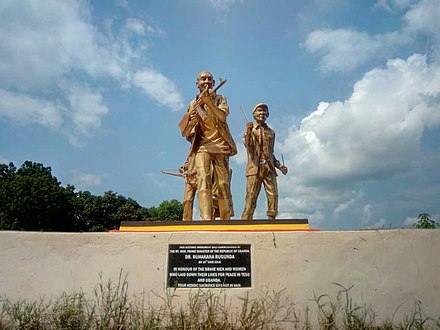
The government of Uganda, through the Museums and Monuments Department under the Ministry of Tourism, Wildlife, and Antiquities, has officially gazetted the Obalanga Mass Grave in Kapelebyong District as a protected heritage site.
This landmark decision acknowledges the historical and cultural significance of the site, ensuring its preservation for future generations.

The Obalanga Mass Grave, also known as the Arrow Boys Monument or the Obalanga Massacre Memorial, is the largest mass grave in Uganda.

It serves as a reminder of the 2003 Lord’s Resistance Army (LRA) attack on the Teso sub-region, which left 265 people dead and displaced thousands. Since then, annual memorial prayers have been held every June 15 to honor the victims.
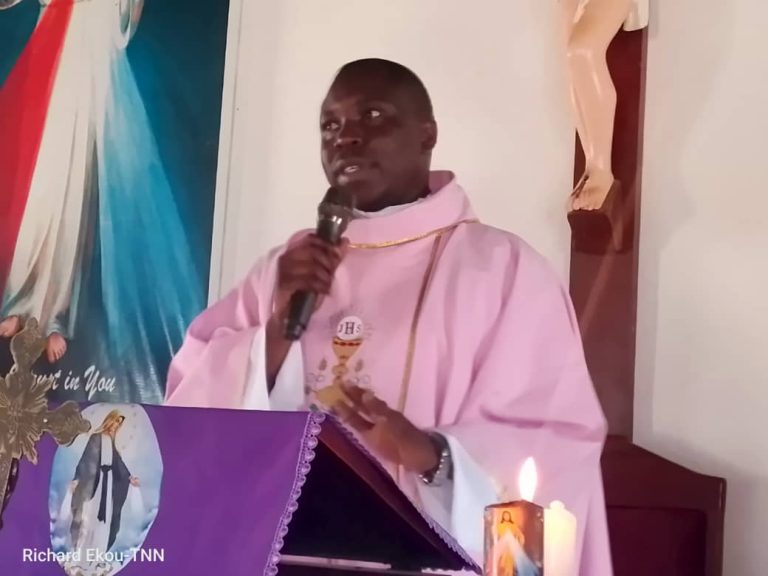
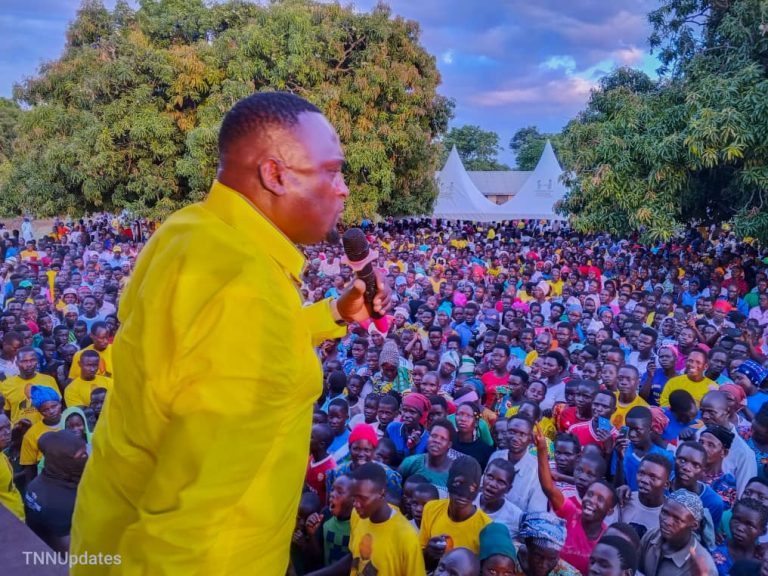
Joseph Ojaatum, the Deputy Minister for Tourism and Documentation in the Iteso Cultural Union while speaking during the Send off ceremony for Papa Jones Oluma Eceru the former ICU Deputy Prime Minister at ICU headquarters, welcomed the move, emphasizing its significance to the Iteso community and the nation at large.

“As Iteso Cultural Union under the Ministry of Tourism and Documentation, we thank the Government of Uganda, the Ministry of Tourism, Wildlife, and Antiquities, Uganda Tourism Board (UTB), Museums and Monuments, and the entire hospitality sector for this great achievement,” Ojaatum stated.
He added that the site holds immense historical value, especially for the younger generation of Iteso, who need to understand the struggles and sacrifices made by their forebears.
The 2003 LRA invasion of Teso was met with fierce resistance from the Arrow Boys, a local militia formed by Teso leaders.
Comprised mostly of former Uganda People’s Army (UPA) fighters, the Arrow Boys mobilized with rudimentary weapons, bows, arrows, machetes, and axes, to counter the LRA threat.
Under the command of Musa Ecweru, they played a critical role in repelling the rebels, killing 43 LRA commanders and rescuing over 9,000 abducted children.
Despite their heroic efforts, Obalanga County bore the brunt of the violence, with widespread killings, abductions, and destruction of property.
Up to 100,000 people were displaced into internally displaced persons (IDP) camps, enduring extreme hardships.
The gazetting of the mass grave as a protected site means that the government will invest in its conservation, documentation, and public education.
The move aligns with broader efforts to safeguard Uganda’s historical sites and foster cultural heritage tourism.
According to heritage experts, preserving sites like the Obalanga Mass Grave not only honors the victims but also helps in national healing and reconciliation.
The recognition of the site will likely boost tourism in the region, attracting researchers, historians, and visitors interested in Uganda’s history of resilience against insurgency.
With this new status, the government, in collaboration with cultural institutions and tourism stakeholders, is expected to develop memorial infrastructure, educational programs, and visitor facilities at the site.
About Author