The Iteso community living along the Uganda–Kenya border in Busia District has issued an extensive and deeply detailed memorandum demanding the strategic defence of their cultural integrity, sovereignty, and constitutional rights.
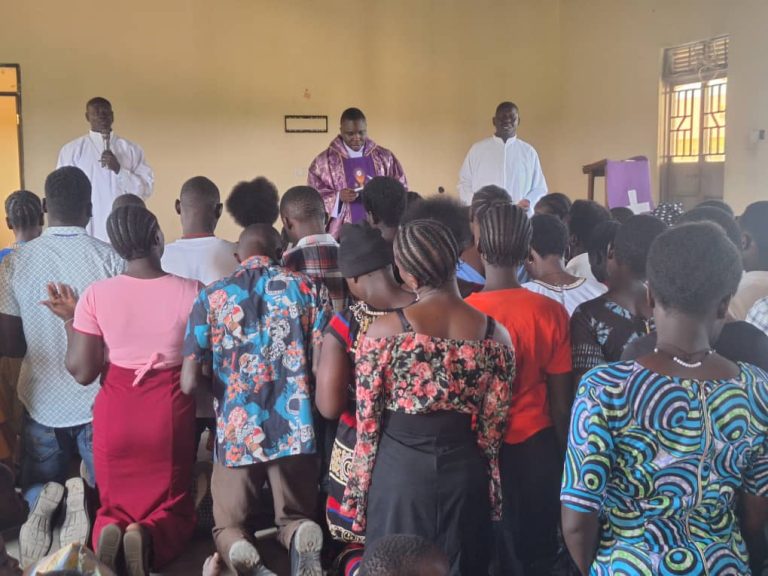
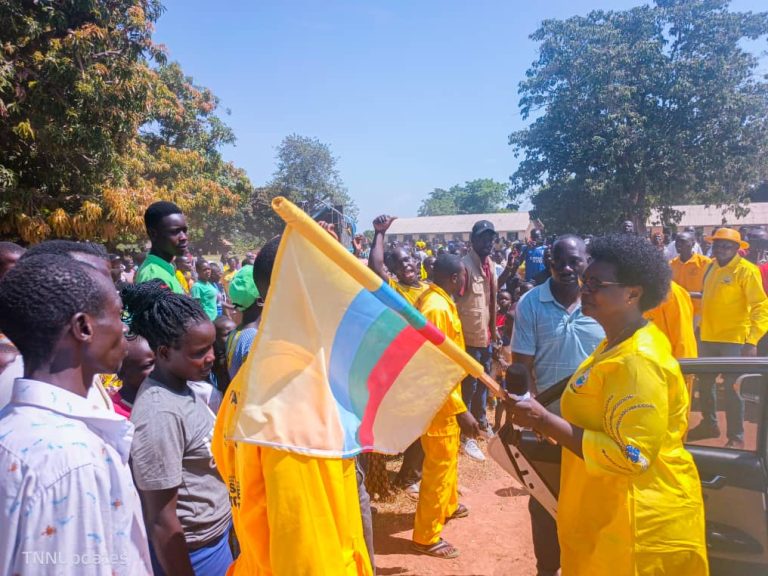
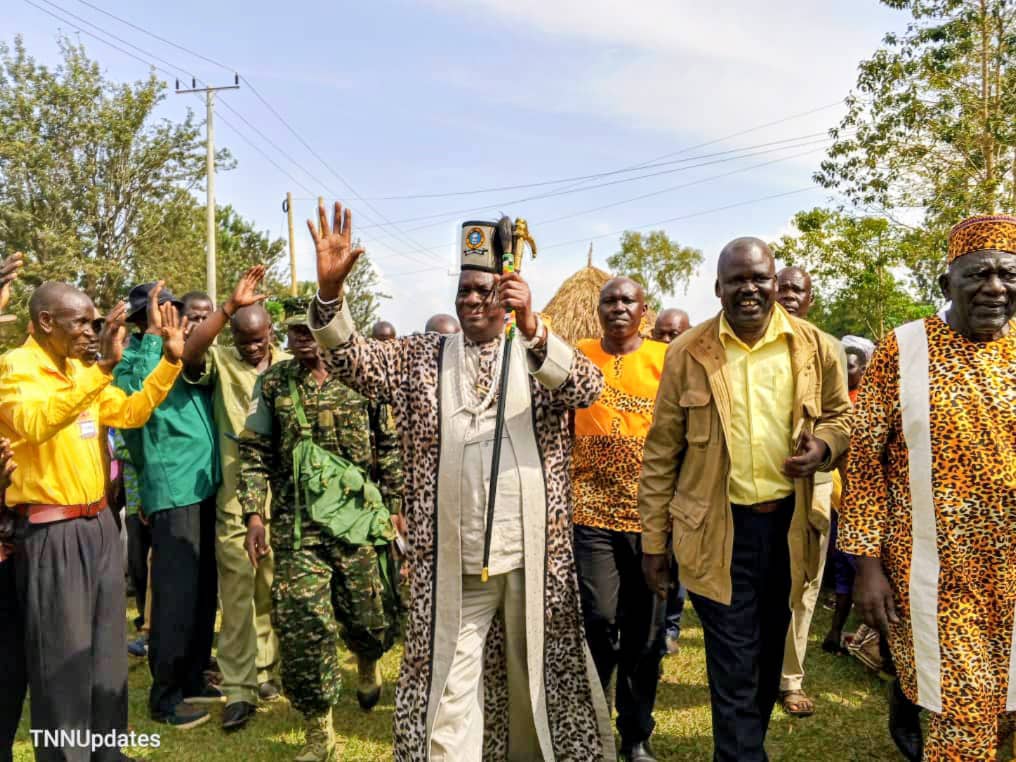
The memorandum was formally presented to His Royal Highness Papa Paul Sande Emolot Etomeileng, the Emorimor of the Iteso, during his grassroots cultural mobilisation tour at Katek A, Buteba Sub county.

The concerns and demands were submitted through the Iteso Cultural Union (ICU) Busia District Office, which also forwarded copies to the Omwenengo Bwa Bugwe Cultural Institution, the Busia Resident District Commissioner, and Busia District Local Government officials.

The Iteso community, describing themselves as culturally marginalized and politically neglected, outlined a strong position for self-determination and cultural autonomy.
Delivering the memorandum, ICU Busia district Chairperson and Minister for Cooperatives, Chas Ikuna Omella-Itogot, emphasized that the Iteso in Busia constituting approximately 25% of the district’s population have faced systemic marginalization, cultural absorption, and a lack of representation.
He noted that the community felt abandoned and disconnected from their cultural roots, especially due to the absence of a chiefdom or recognized cultural authority in the area.
The letter expressed deep concern about what the community termed an “active process of cultural and economic assimilation” under the Bugwe cultural authority.
“We acknowledge that ignorance of our constitutional rights once left us vulnerable to assimilation,” the memorandum stated. “But today, with enlightenment, we transition to informed sovereignty. We reject any attempt to designate the Iteso as subjects of the Obwenengo Bwa Bugwe.”
Their guiding principle throughout the memorandum is “Adaptability Without Assimilation,” a cultural strategy they believe will preserve their identity while enabling coexistence with neighbouring communities.
The Iteso assert that their presence in Buteba traces back to the second Iteso migration around 1500 AD, with the original settlement known as Abusyata. They argue that the ongoing administrative pressure to shift them under Bugwe cultural structures is unconstitutional and violates their historical sovereignty.
They cited Article 246(3)(e) of the Constitution, which prohibits a cultural leader from exercising authority over clans outside their ancestry.
The memorandum further rejects the “forced assimilation” they claim is being promoted by leaders of the Bugwe cultural institution, pointing to what they described as a “numerical absurdity” where 174 Bugwe clans could not supersede the more than 1,500 Iteso clans represented by the ICU and the Emorimor.
The Iteso community listed several cultural rights they demand be respected and enforced, including:
- Right to display the Emorimor’s portrait in all Iteso-dominated public and private institutions.
- Freedom to sing the Iteso National Anthem without interference.
- Teaching of the Ateso language at all levels primary, secondary, and university.
- Recognition of the ICU as an independent cultural institution operating within Busia District.
- Participation of ICU representatives in district policy-making and cultural consultations.
They also demanded that the community benefit from Wagagai Gold Mine revenues, which they claim trace back to ancestral land and generations of labour.
One of the strongest demands in the memorandum is the creation of North Busia County (or Buteba County) proposed as a new parliamentary constituency to ensure political representation for the Iteso in Busia.
The community says this administrative independence is critical to securing their cultural, economic, and linguistic rights.
The memorandum included a covenant encouraging all Iteso in Busia to Speak Ateso regularly and teach it to their children, strengthen cultural marriages and documentation using ICU certificates, use available scholarships through the ICU to uplift the community and engage in cultural and economic partnerships.
They also reaffirmed their resolve to remain respectful neighbours while refusing to be subject to institutions that do not represent their ancestry.
Buteba LC3 Chairperson Eduk Emma Egesa described the Emorimor’s visit as historic, saying it marked “the new birth of the Iteso in Busia.”
“For long we have lived like orphans, with no cultural father, but today we have seen our leader,” he said.
He called on the community to unite beyond political differences and rebuild a larger, respectable cultural institution.
In his address, HRH Papa Paul Sande Emolot Etomeileng expressed gratitude for the overwhelming reception and applauded the Iteso of Busia for their commitment to restoring their cultural pride.
He urged the community to promote and speak Ateso to nurture disciplined, culturally grounded children, prioritize education, noting that respected families are those that value schooling and unite and avoid divisions, which he warned would derail progress.
“When you fight divided, you achieve nothing,” he said. “But when you unite, everything becomes possible.”
The Emorimor pledged to present the constituency demand to the President, share the memorandum with the King of Bugwe to enhance cultural harmony, lead a 10-year ICU campaign against school dropouts and ensure local leaders enforce the government directive allowing local-language instruction in schools.
He called on the community to remain calm and united as efforts are made to address their cultural and administrative grievances.
About Author