
The Government of Uganda has announced renewed plans to restore degraded wetlands across the country, with a focus on sustainable use through irrigation and aquaculture, as part of broader efforts to address climate change, food security, and environmental conservation.
President Yoweri Kaguta Museveni issued the directive today during a meeting held at State House, where he tasked the Ministry of Agriculture, Animal Industry and Fisheries (MAAIF) to spearhead the restoration of wetlands that have been severely encroached upon over the years.
According to the President, wetlands should not be viewed as wastelands but as strategic natural resources that, when properly managed, can support agricultural production without destruction.

He emphasized that controlled irrigation farming and fish farming are viable approaches that allow communities to benefit economically while preserving the ecological functions of wetlands.

“Wetlands are very important for water regulation, climate stability, and agriculture. We must restore them and use them wisely through activities like irrigation and aquaculture, instead of destroying them,” President Museveni said.
The President also commended the Danish Embassy for its willingness to partner with the Ugandan government in restoring wetlands.
He noted that international cooperation remains critical in addressing environmental degradation, particularly in the face of increasing climate-related challenges such as prolonged droughts and floods.
Officials present at the meeting revealed that the proposed approach will involve demarcation of wetlands, removal of illegal encroachers, and introduction of modern irrigation systems and aquaculture projects that do not interfere with natural water flows.
The program will also include community sensitization to ensure local populations understand the long-term benefits of wetland conservation.
The Ministry of Agriculture, Animal Industry and Fisheries was directed to work closely with other relevant agencies, including the Ministry of Water and Environment, to ensure coordinated implementation of the restoration plan.
The President stressed the need for practical solutions that balance environmental protection with livelihoods.
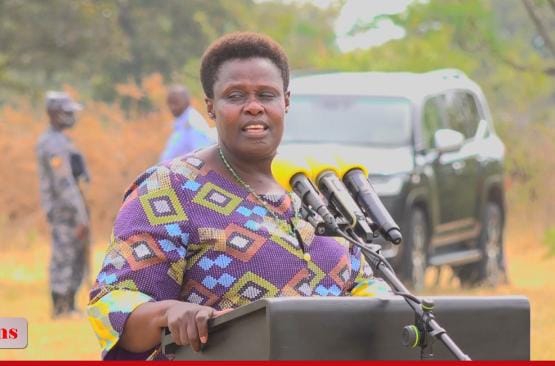
Speaking to Teso News Network (TNN), the Minister of State for Fisheries, Hellen Adoa, urged Ugandans, particularly communities living around wetlands, to embrace fish farming as a key strategy for restoration and livelihood improvement.
“Ugandans should prepare themselves to work with government. Let those around the wetlands get ready, we are coming to farm fish with you,” Minister Adoa said.
She revealed that President Museveni has specifically tasked her to spearhead the implementation of the aquaculture component of the wetland restoration program, working closely with technical teams from MAAIF and other relevant government agencies.
According to Minister Adoa, fish farming within restored wetland systems will be carefully managed to ensure that it supports conservation objectives rather than undermining them.
She explained that modern aquaculture methods will be introduced, alongside training and community sensitization, to guarantee sustainable use.
Uganda has lost a significant portion of its wetlands over the past decades due to unregulated farming, settlement, and industrial activities.
Environmental experts warn that continued degradation poses serious risks to water sources, biodiversity, and agricultural productivity.
Government officials attending the meeting reaffirmed their commitment to implementing the President’s directive and engaging development partners to mobilize technical and financial support.
They noted that restoring wetlands through sustainable economic activities aligns with Uganda’s development goals and the National Development Plan.
The initiative is expected to roll out in phases, starting with the most affected wetland systems, as the government intensifies efforts to protect natural resources for present and future generations.
About Author