
The opposition Forum for Democratic Change (FDC) and war claimants from the Teso sub-region have launched stinging criticism of President Yoweri Kaguta Museveni’s new plan to replace cattle compensation with a restocking and rehabilitation program.
The move, which Museveni defended as a more practical solution to decades of delays and disputes, has now reignited political tensions and reopened long-standing grievances in Teso.

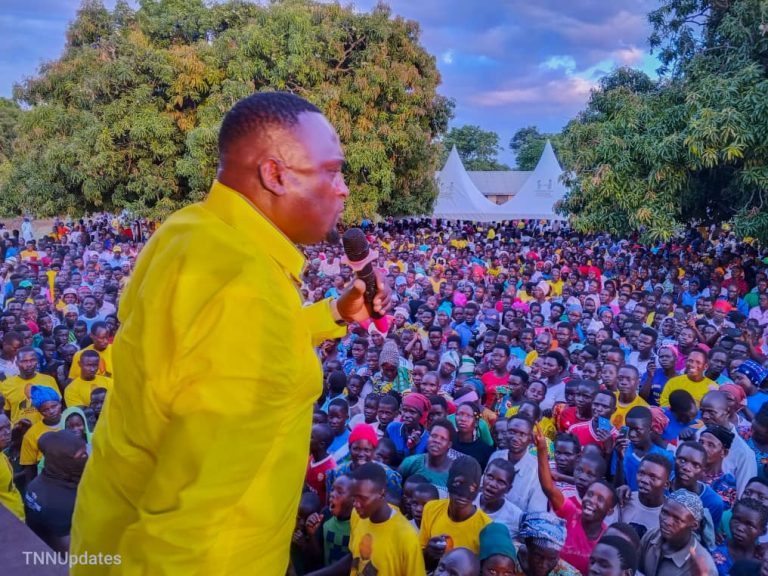
Speaking in Soroti City on Thursday, FDC Party President Patrick Amuriat Oboi said the President’s latest pronouncement was a direct response to mounting pressure from the “No Cow, No Vote” protests that have rocked Teso in recent months.

Amuriat accused Museveni of attempting to neutralize public anger with a cosmetic pledge rather than delivering long-promised justice.
“The protests have forced Museveni to come up with a new strategy. But let me tell you, this restocking talk is only a diversion. The people of Teso must insist: no cow, no vote,” Amuriat declared while commissioning newly constructed stalls by MP Jonathan Ebwalu at Pamba Market in Soroti City West.

Amuriat told supporters that Museveni’s pledge to distribute five cows per household in Teso should not derail the ongoing legal fight.
He urged the community to remain firm, pursue justice in courts, and punish the ruling NRM at the ballot box.
“Even if Museveni brings the cows, the courts must still address the losses of life, the wasted time, and the stolen resources,” Amuriat said. “This is about dignity, not just cattle.”
He reminded Teso residents that in the 2006 elections, NRM only won six parliamentary seats in the region, arguing that history could repeat itself if communities remain united in protest.
Amuriat praised Soroti City West MP Jonathan Ebwalu for financing the construction of the new Pamba Market sheds, contrasting his work with what he described as NRM’s empty promises.
“These are the leaders you should support, not those who take you for granted,” he told traders.
He also pledged that if FDC were voted into power, it would prioritize infrastructure development in urban markets across Uganda, including electricity and solar power for traders.
“For nine years I have been renting a small office here in Soroti. When FDC takes power, markets like Pamba will no longer be ignored,” he vowed.
MP Jonathan Ebwalu echoed Amuriat’s criticism, saying Museveni’s cattle pledge was another political gimmick timed for the 2026 elections.
“In 2021, he promised compensation. Now in 2025, he says five cows per household. These are lies. There is no budget for such a scheme this financial year,” Ebwalu charged. “He is playing with people’s minds.”
Ebwalu further accused the Teso Animals and Property Compensation Organization (TAPCO) of managing payments in a discriminatory way, leaving out many genuine victims while selectively rewarding a few.
He urged residents of Teso to reject NRM leaders and demand accountability.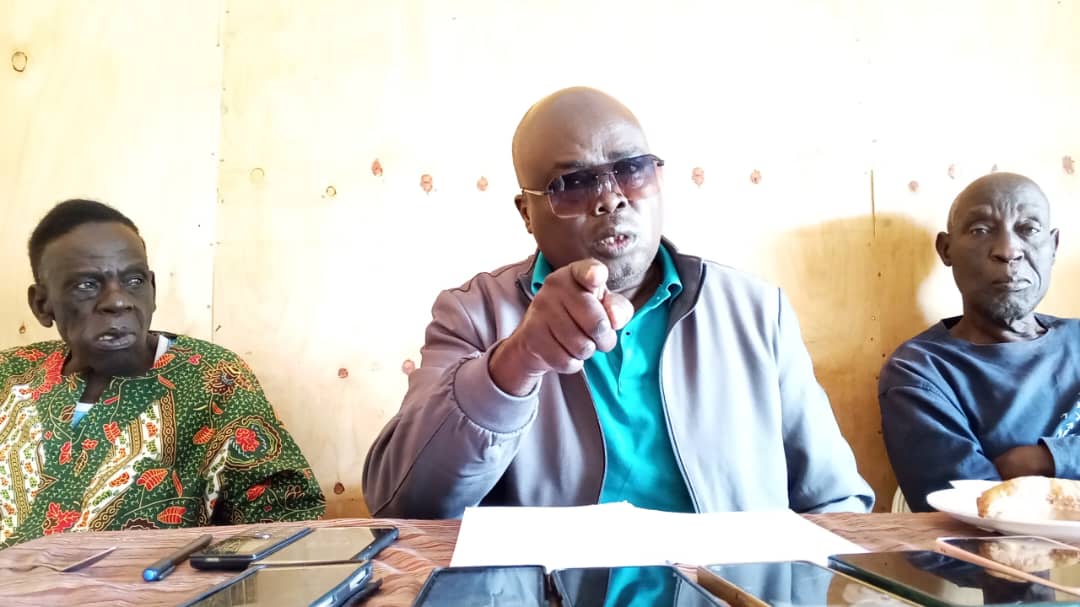
Meanwhile, war claimants who lost cattle and property during the insurgencies of the 1980s and 1990s have rejected Museveni’s new strategy, insisting that only full compensation will deliver justice.
Led by former Kapelebyong County MP Julius Ocen, the claimants accused senior Teso leaders of misleading the President and shielding him from the truth about their plight.
“We battled in court for 17 years and secured a High Court ruling ordering government to pay over Shs 4.5 trillion to 2,005 victims,” Ocen said.
“Instead of implementing the judgment, the President came here and dismissed compensation, saying restocking is the way. That is unlawful.”
Ocen stressed that “not even the President” has the authority to overturn a High Court ruling.
He faulted Museveni for refusing to meet war victims during his recent visit to Soroti University, instead relying on “politically motivated advice” from Vice President Jessica Alupo, State Minister Musa Ecweru, Speaker Anita Among, Energy Minister Okasai Opolot, Teso Affairs Minister Kenneth Ongalo-Obote, and Fisheries Minister Hellen Adoa.
“These leaders misled and misadvised the President. They betrayed their own people,” Ocen charged.
The claimants also expressed disappointment in cultural and religious figures who they accused of failing to stand up for justice.
“Where was the Emorimor, Papa Paul Sande Emolot? Where were our bishops? Acholi and Lango leaders insisted on compensation first, then restocking. Why is Teso treated differently?” Ocen asked.
He alleged that some leaders pocketed billions of shillings meant for compensation.
A list of officials suspected to have received between Shs 2 billion and Shs 2.7 billion is reportedly being compiled for publication.
Osigire John Stephen, another claimant, said their trust in government has been repeatedly betrayed.
“We hear names like Papa Paprious Imodot were paid, but when we follow up, nothing exists in the records. It is lies after lies,” he said.
Kirya Moses Tahate insisted that their fight is about the rule of law: “We went to court for compensation, not for cows. If government fails to honor the judgment, we are ready to return to court.”
The claimants dismissed Museveni’s five-cow pledge as propaganda aimed at winning over voters in Teso.
“Simple mathematics shows it is impossible. There are more than 160,000 households in Teso. Five cows each is hundreds of billions of shillings. He promised compensation in 2011 and failed. Why believe him now?” Ocen asked.
Ogwang Francis Olebe, another claimant, said restocking is a good government program but cannot substitute court-ordered compensation.
“Everyone deserves government programs, but we, the war victims, must first be compensated. Restocking can come later,” he argued.

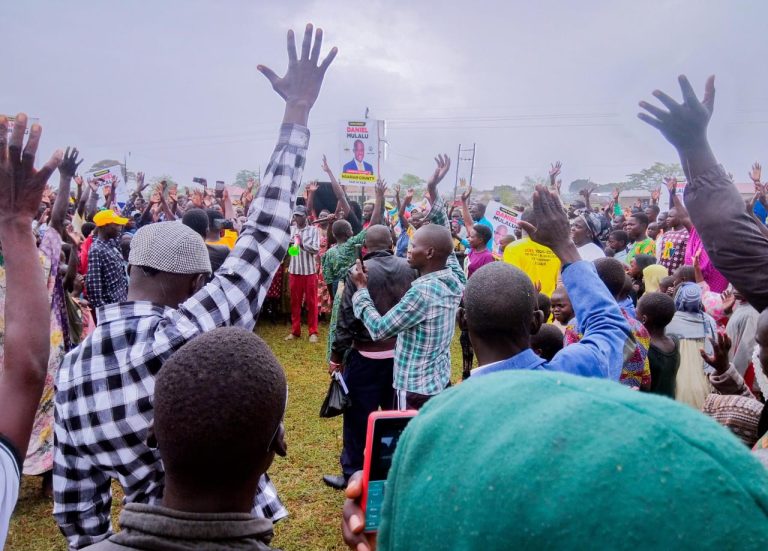
The claimants have now vowed to intensify their mobilization under the “No Cow, No Vote” campaign, urging communities to withhold political support from NRM candidates until compensation is paid.
“We are not against restocking. But compensation is a legal right. Without it, there should be no votes for Museveni and NRM,” Ocen said, drawing cheers from supporters.
The slogan “Nu epotu opotu — no cow, no vote” is fast becoming a rallying cry in Teso, echoing similar protest movements in Acholi and Lango, where leaders pushed for compensation before embracing government restocking programs.
President Museveni’s shift from compensation to restocking was announced last week in Soroti, where he argued that distributing cattle per household would be fairer and avoid the problems of cash compensation, such as inaccurate records, double claims, and dormant bank accounts.
He suggested a baseline of five cows per household, with committees of elders, women, and youth to guide distribution.
But critics say this is yet another postponement of justice.
For more than two decades, compensation has been a recurring issue during every election cycle, often exploited as a campaign promise but rarely delivered in full.
As the 2026 elections draw closer, the debate over compensation versus restocking has become both a legal battle and a political litmus test for Museveni’s ruling NRM in Teso.
For inquiries, advertising or to run your news article, contact us on 0785674642 or email tesonewsnetwork@gmail.com.
About Author