
The long-awaited government process to address the historical loss of cattle in the Teso subregion has taken a significant step forward, with the Cattle Rehabilitation Committee today launching its first round of consultations with security chiefs in Teso.
The exercise, chaired by Vice President Rtd. Maj. Jessica Rose Alupo, marks the beginning of a series of engagements intended to shape the modalities of implementing President Museveni’s directive on cattle rehabilitation, announced last month at Soroti University.

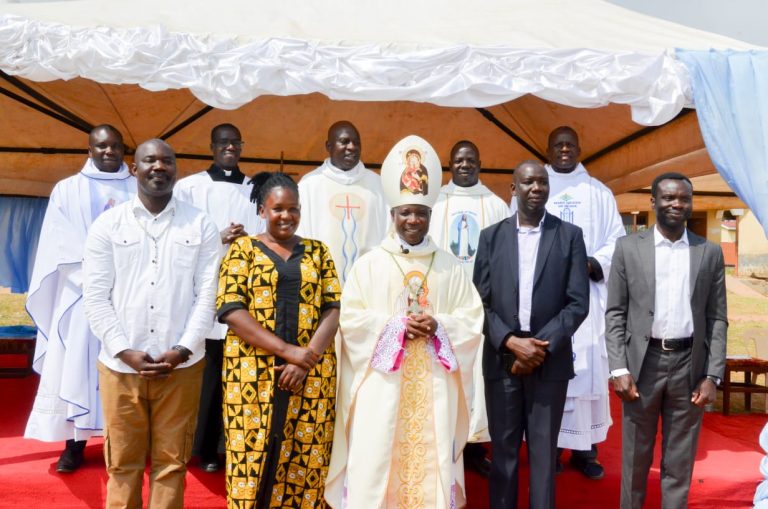
The meeting, convened at Eneku Village in Soroti City, brought together Resident District Commissioners (RDCs), District Police Commanders (DPCs), District Internal Security Officers (DISOs), and Regional Police Commanders from both Kyoga East and Kyoga South regions.

According to the Vice President, the choice to begin with security personnel was deliberate.
“Our security chiefs interact with communities daily. They understand not only the magnitude of the loss but also the tensions, disputes, and potential risks that may arise in the implementation of this rehabilitation program,” Alupo remarked.

The Cattle Rehabilitation Committee, inaugurated on September 2, was tasked to consult a broad spectrum of stakeholders on how best to carry out the presidential directive.
Groups lined up for consultation include the cultural leadership under Iteso Cultural Union, the regional political bloc Won-Ateker, members of parliament from Teso, religious leaders, local government representatives, boda-boda associations, youth groups, and business actors.
The Vice President emphasized that the committee’s role was not simply to rubber-stamp a government initiative but to gather “practical, implementable, and inclusive proposals.”
She stressed that President Museveni expects a comprehensive report capturing the voices of the people of Teso before the rollout begins.
Even as the committee held its first session, political criticism was quick to follow.
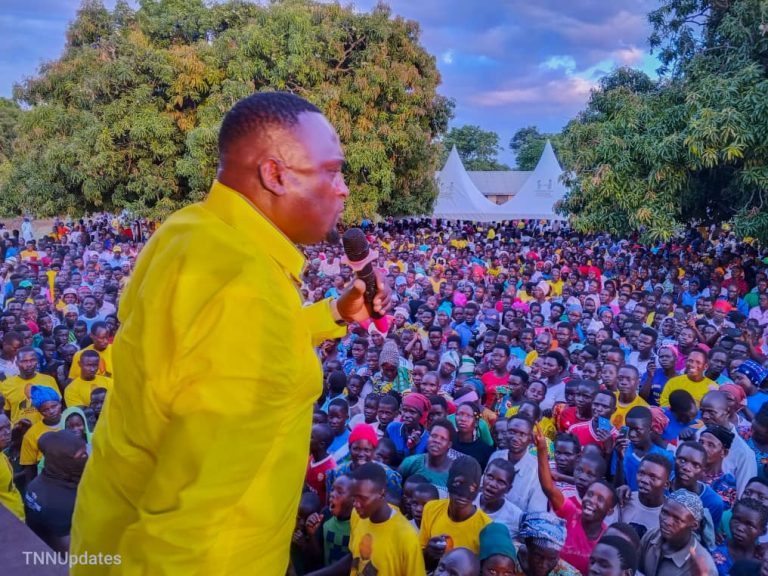
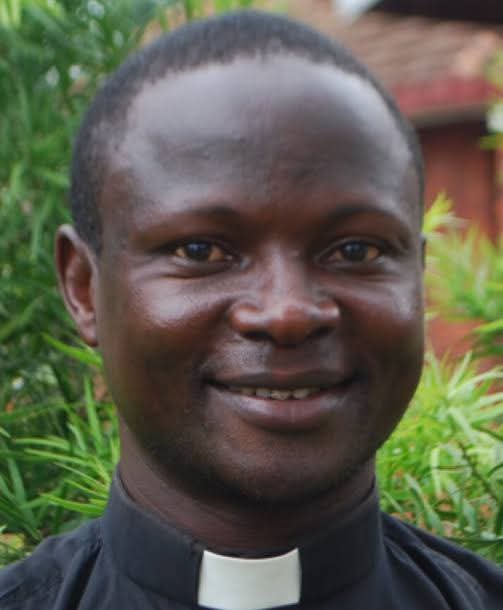
George William Okoit, the National Unity Platform (NUP) mobilizer in Soroti, dismissed the exercise as “window dressing” designed to create an illusion of consultation while excluding critical voices.
“How do you hold a meeting without all stakeholders being represented?” Okoit asked.
“I never saw Hon. Julius Ochen there. I never saw Mzee Imodot. I never saw Hon. Elijah Okupa. I never saw representatives from TAPCO. These are individuals and institutions that fought legal battles on behalf of cattle claimants and even won cases against government. How can you ignore them now?”
Okoit accused the committee of recycling the same “league of liars”, bishops, RDCs, commissioners, and other government allies, whom he claimed lacked the moral legitimacy to speak for ordinary cattle claimants.
He also noted the absence of youth, people with disabilities, and the business community from the inaugural meeting.
“As young people, we are the heirs of this struggle. Many of our fathers who lost cattle have since died. If government is serious about justice, then sons and daughters of claimants must be involved. But we were not represented,” he charged.
Okoit further framed the cattle rehabilitation initiative as a political tool by the ruling National Resistance Movement (NRM).
He pointed to the UGX 80 billion that Parliament previously allocated specifically for compensation rather than restocking.
“Let us not be deceived,” Okoit argued. “Two quarters have already passed since that budget was passed, yet no claimant has received their money. If after six months the money is not in your account, my message to the people of Teso is simple: vote NUP, vote FDC, vote UPC, but do not vote NRM.”
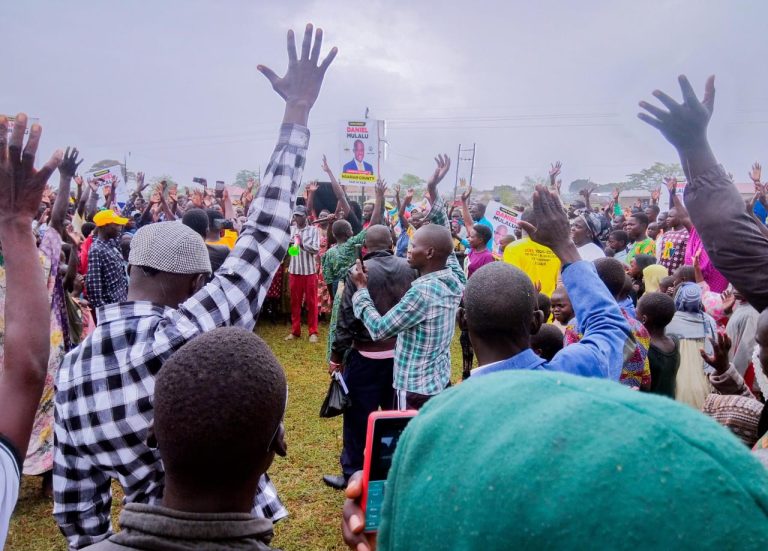
The NUP mobilizer’s fiery remarks underscored the political stakes of the rehabilitation exercise, especially with the 2026 elections drawing closer.
For opposition parties, the cattle compensation saga remains a potent issue to rally support in Teso, a region with a history of mixed loyalties and grievances against central government.
Historical Context
The demand for cattle compensation in Teso dates back to the 1980s and 1990s, when insurgencies, cattle raids by Karamojong warriors, and conflict-related displacement decimated the region’s livestock economy.
Thousands of households lost their herds, plunging families into poverty.
Over the years, several groups, including TAPCO (Teso Animal and Property Claimants’ Organization), have pursued legal claims against government, some winning court judgments that remain unenforced.
The frustration has fueled mistrust in government promises, with every new announcement greeted by skepticism.
By focusing on “rehabilitation” rather than “compensation,” the Museveni administration appears to be shifting emphasis from settling old debts to rebuilding the subregion’s livestock economy for the future.
But critics, especially in the opposition, see this as a convenient way to dodge the government’s legal obligations.
About Author