

Religious leaders across Uganda have converged in Soroti for the 2025 Regional Interfaith Dialogue, aimed at addressing the escalating mental health challenges affecting adolescents.
The event, held at Soroti Hotel, was organized in partnership with the Sexual Reproductive Health and Rights (SRHR) Alliance Uganda.

The high level dialogue brought together religious leaders from the Eastern, Northern, Western, and Central regions of Uganda.
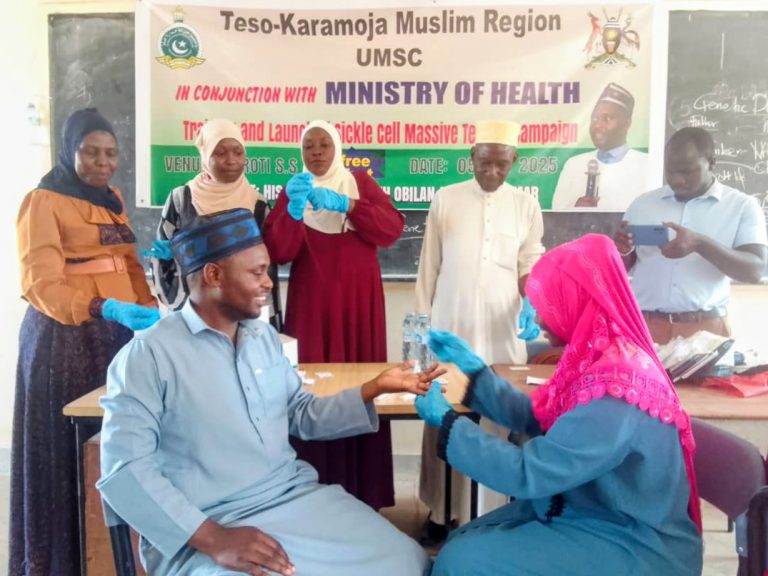
The session was chaired by His Eminence Sheikh Obilan Abubakar Umar, the Regional Assistant to the Mufti (RAM) in charge of the Teso-Karamoja Muslim Region, who led the engagement in advocating for collaborative solutions to adolescent mental health concerns.
With increasing cases of drug abuse, alcoholism, sexual violence, teenage pregnancies, stigma, school dropouts, and poor mental hygiene among young people, the dialogue served as a platform to unite religious and public health perspectives to combat these issues.

Themed “Bridge Divides, Align Moral Leadership with Public Health Needs, and Foster Collaborative Solutions that Harmonize Religious Values and Human Rights,” the interfaith dialogue sought to promote mutual respect and unified efforts among religious institutions, government, and civil society to secure a better future for Uganda’s youth.
Key objectives of the dialogue included building a shared understanding among religious leaders about adolescent mental health, exploring the role of faith-based institutions in supporting affected youth, developing joint advocacy strategies, amplifying the voices and rights of young people in religious spaces among others
Ms. Miranda Brenda, the national coordinator of SRHR Alliance Uganda, emphasized the importance of these dialogues in creating safe spaces where young people can speak openly about the mental challenges they face.
“These conversations help us engage with affected youth to find realistic and faith sensitive solutions as religious leaders, we must help fight stigma and create environments where young people feel supported, especially those living with HIV,” she said.
Miranda also called for a collective action approach involving government, stakeholders, and communities to address the adolescent mental health crisis.
She encouraged collaborative research, advocacy, and sustained sensitisation of youth to foster mental wellness.
“We must handle our youth with care responding not with judgment but with understandin, let us lead by example, engage the government for support, and ensure our strategies are localised, destigmatised, and community driven,” she added.
The religious leaders in attendance made several key resolutions to guide ongoing efforts, including
considering community dynamics in planning mental health interventions, adopting a multi-religious and inclusive approach to reach more youth, engaging parents and guardians to strengthen family roles in nurturing adolescents, promoting mindset change, capacity building, and youth economic empowerment and strengthening faith-based support systems to prevent moral decay.
Leaders emphasized that only by setting aside religious differences and embracing a united front can the country ensure the mental welbeing and moral stability of its next generation.
About Author




Thank you for the workshop on mental health for the adolescents, my plea is can you roll out the workshops to the directly affected,drug abusers some of these people are highly educated and claim to know what they are doing, they earn money and spend it on drugs, some parents have spent a fortune on rehabs but these people come back and start over again, please what can poor parents do yes we talk about support, compassion, love but they ignore all these ,you are the one according to them who does not understand the value of the drugs what can one do, please help!!!! It’s painful to bring up a child and he gets wasted.