
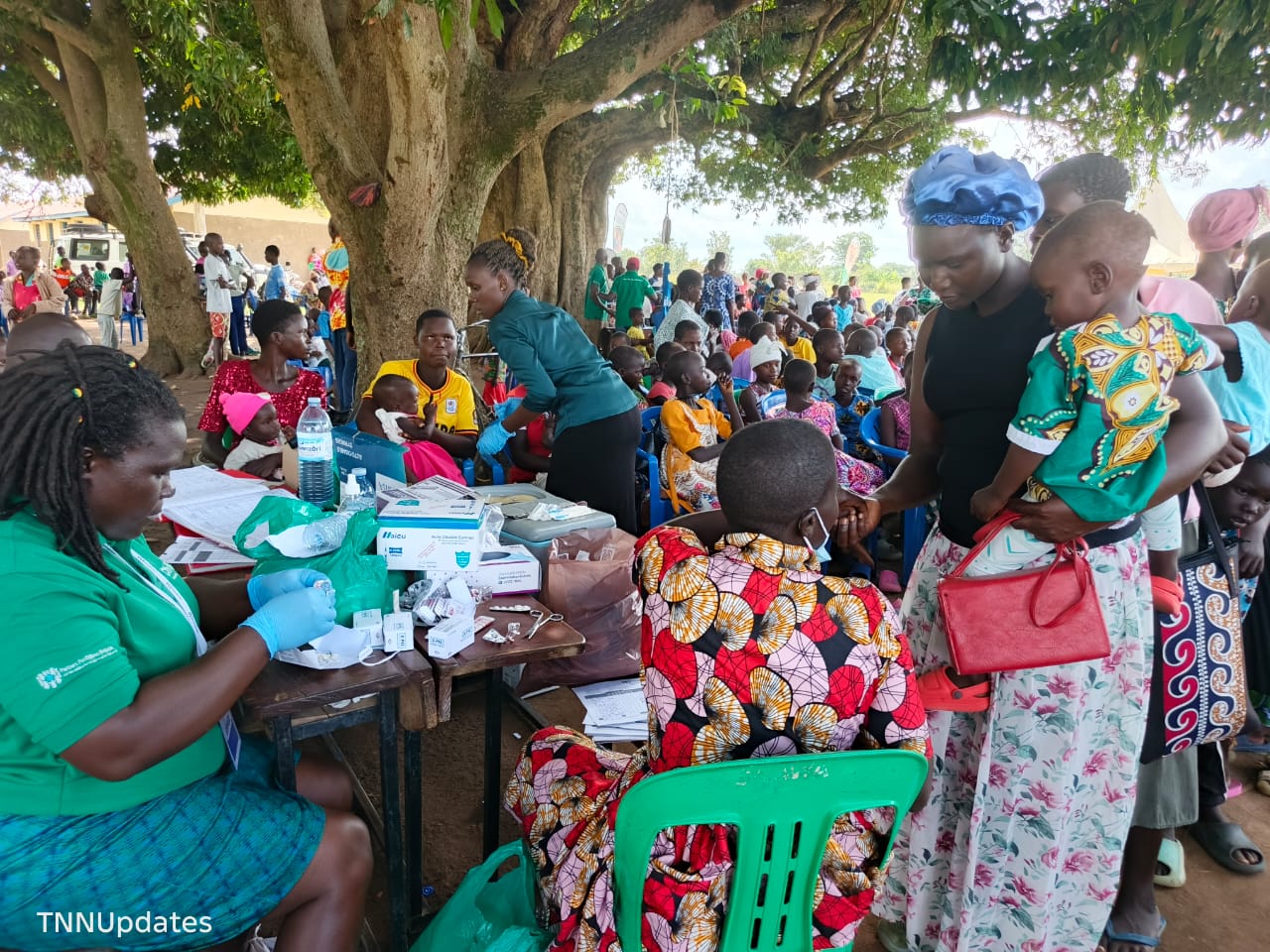
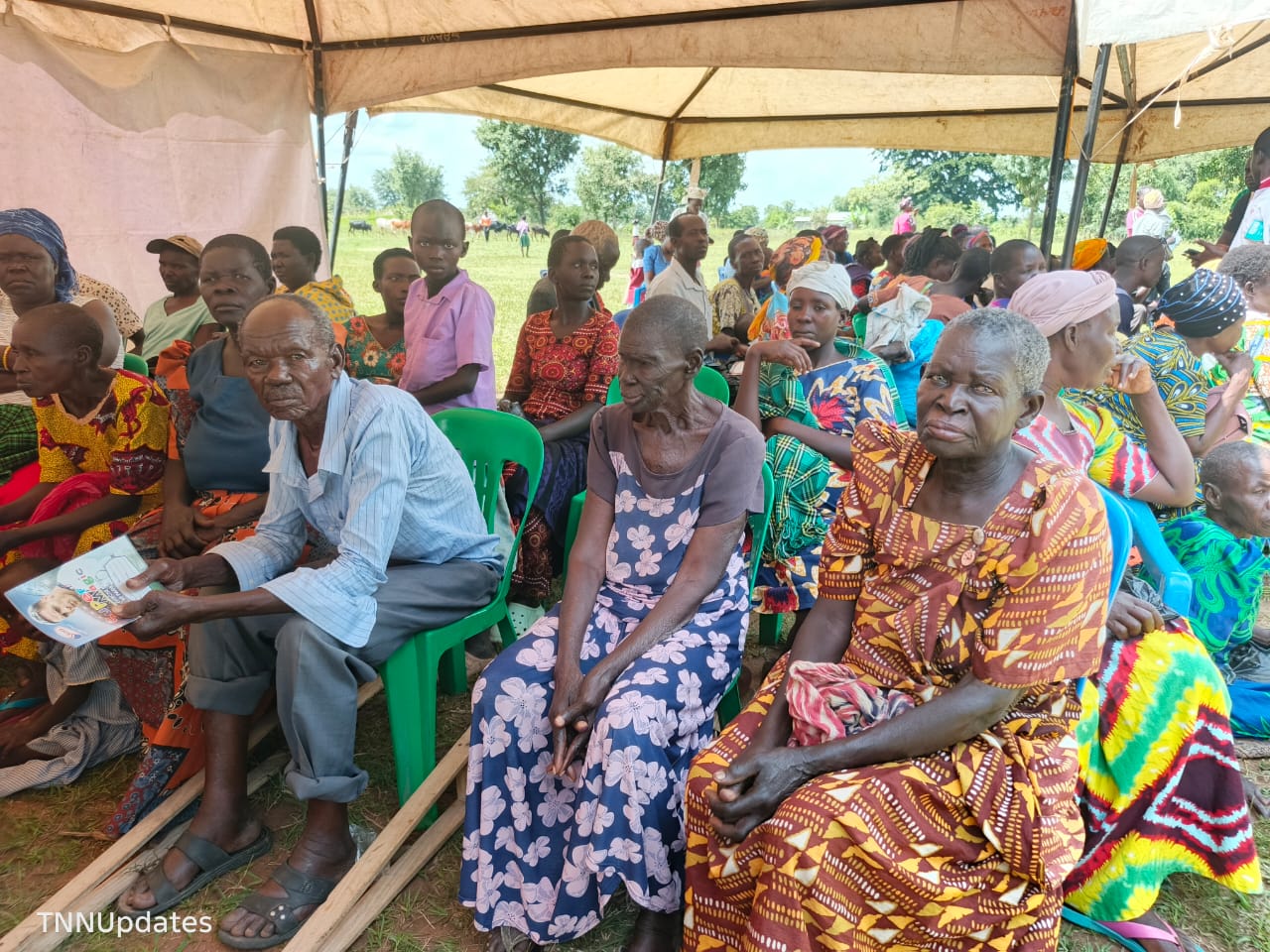
A section of patients being attended by staff of PFCW and Health workers from Kapelebyong District. Photos/John Ogulei
More than 1,500 residents of Kapelebyong and neighbouring Amuria districts received free, high-quality medical care on Monday during the inaugural health outreach camp jointly organised by ChildFund Uganda and Partners for Children Worldwide (PfCW), in collaboration with the Government of Uganda.
The one-day outreach event, held at Acowa-Atutur Primary School in Kapelebyong District, brought together medical professionals, public health educators, and local leaders in a concerted effort to address the pressing healthcare challenges faced by rural and underserved communities in Uganda’s Teso sub-region.
The health camp delivered a wide array of free services, including general medical check-ups, child immunization, antenatal care, nutrition counselling, health education sessions, cancer screening, HIV testing and counselling, deworming for children, and referrals for specialised treatment.

Speaking at the camp, George Masuba, the Program Manager at Partners for Children Worldwide, highlighted the severe access challenges faced by local communities, noting that many residents routinely travel up to 10 kilometres or more to reach the nearest health facility.
“Over time, we’ve learnt that members of this community work long distances to access healthcare. We felt that if we brought this medical camp here, we’d be bringing health services closer to the people who need them most, children, mothers, pregnant women, the elderly,” Masuba explained.

Masuba also emphasized the camp’s special focus on vulnerable groups: children under five, pregnant women, breastfeeding mothers, and older adults, who often face the highest health risks yet have the least access to affordable care.
Kapelebyong District remains one of the regions in Uganda with persistently high malaria transmission rates. 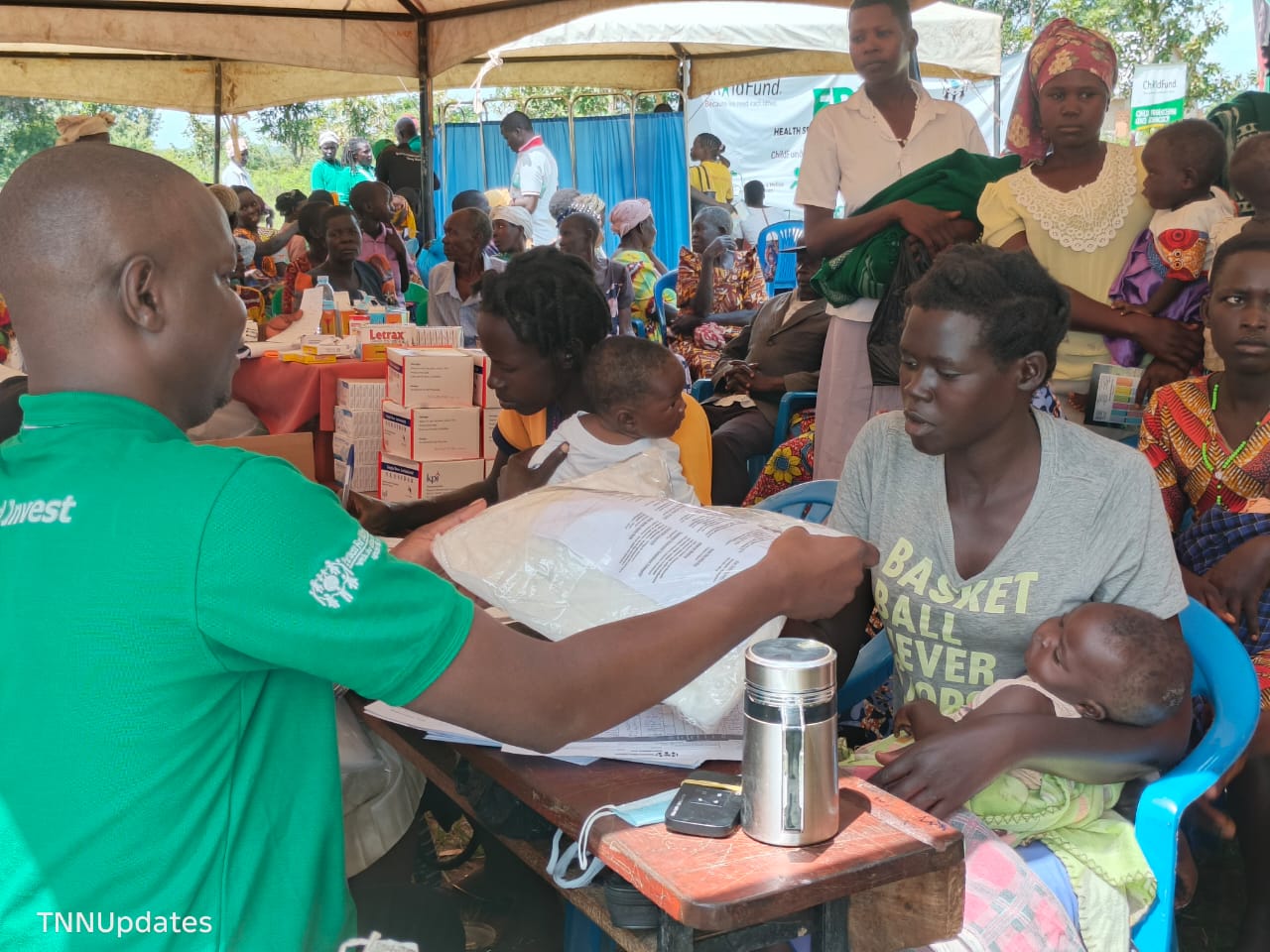
According to Data from the District health department, during the week of 5–11 August 2024, over 1,864 malaria cases were reported across the district, indicating a significant spike in transmission and as of June 2, 2025, Kapelebyong Health Centre IV was struggling with a surge in malaria cases across all demographics, children, adults, and pregnant women, triggered by recent rains increasing mosquito breeding sites
Nationally, Uganda experiences one of the highest malaria burdens worldwide: 478 cases per 1,000 people per year, accounting for approximately 40% of outpatient visits, 25% of hospital admissions, and 14% of inpatient deaths
“When it comes to malaria, much as pregnant mothers and children below five are affected most, other household members are also impacted,” Masuba said. “This is one of the areas with the highest incidences of malaria in the region.”
Cecilia Okoth, Senior Communications Officer at ChildFund Uganda, underlined the organisation’s child-focused approach to health programming.
She explained that the burden of poor health, especially among children under five, remains a major development concern in many parts of Uganda.
“We work hand in hand with families, community health workers, local leaders and government structures to strengthen health systems,” Okoth noted.
“We promote healthy practices, improve access to clean water and nutritious food, and ensure that mothers and caregivers receive the support they need.”
She added that ChildFund Uganda’s model is community-led, building on local capacities to deliver lasting health impacts.
Francis Oumo, a nursing officer from Akoromit Health Centre III, described the most common ailments identified during the camp: malaria, urinary tract infections (UTIs), and diarrhoeal diseases.
“Malaria prevalence is still high; it’s the leading infection in the district. But today’s treatment camp gives us hope, because as we test and screen, we’re treating people immediately. We have anti-malarials and other antibiotics provided through the support of ChildFund,” Oumo said.
He explained that UTIs were also frequently diagnosed, often linked to poor hygiene practices.
“UTIs are mostly caused by poor hygiene. Clothes should be washed and dried regularly. Many people are unaware, which is why the rate is high,” Oumo said.
“If left untreated, UTIs deteriorate health, increase costs, and even lead to death. Also, frequent antibiotic use can lead to drug resistance.”
He urged community members to adopt better hygiene practices and make use of mosquito nets to reduce disease burden.
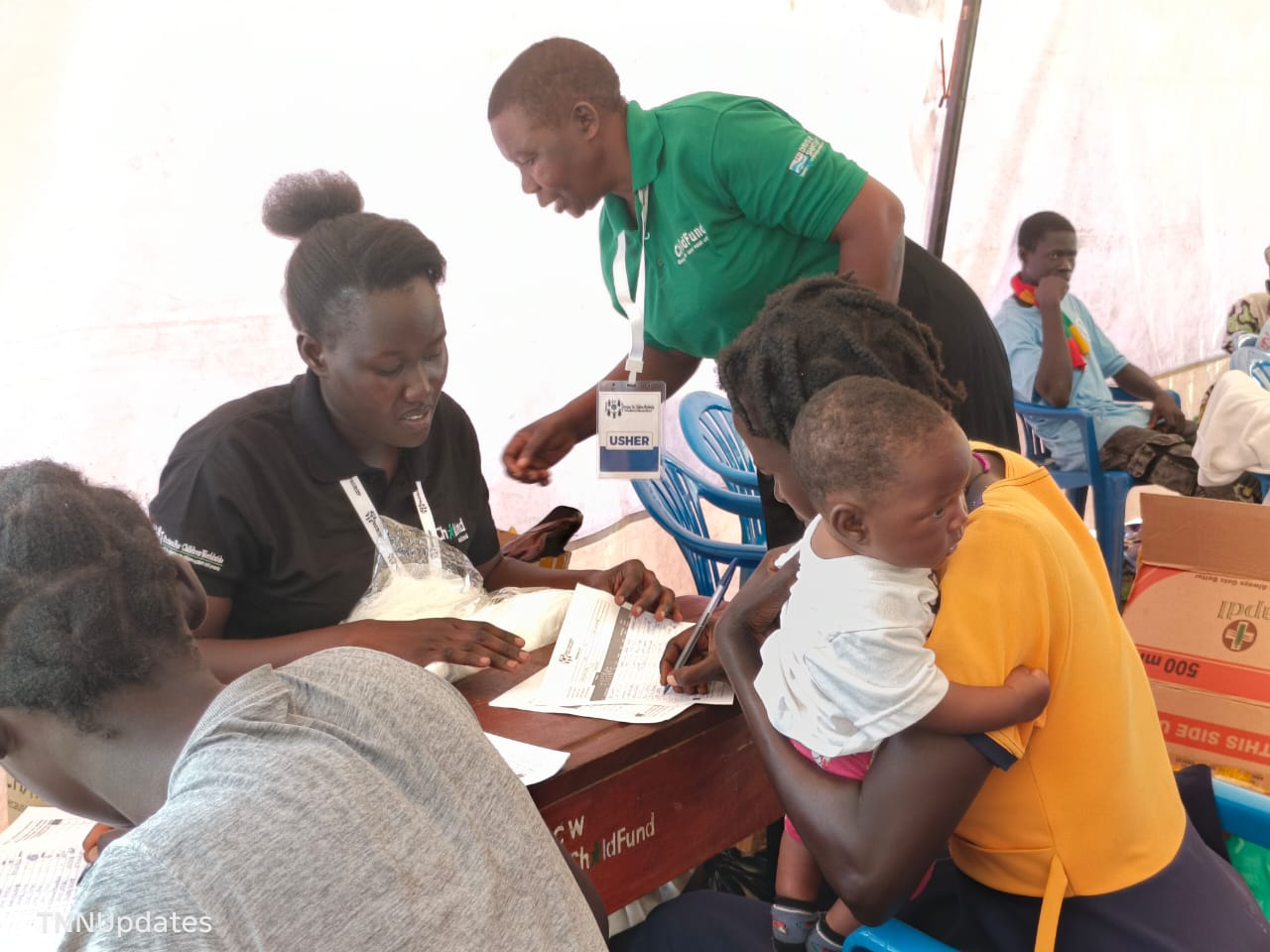
Francis Okalebo, the Community Development Facilitator with the Acowa Family Helper Project (an initiative of PfCW), highlighted the stark challenges faced by families in Atutur, Akore Town Council, and Akoromit Sub-county.
“This village doesn’t have a nearby health facility. If they want to access treatment, they have to go long distances to Acowa Health Centre, Akoromit, or even Amuria. That’s difficult for mothers with babies, the elderly, and anyone with urgent health needs,” Okalebo explained.
He added that the outreach was designed to serve key age categories: children under five, school-age children (6–14 years), and youth (15–24 years), in order to create a healthier generation through early interventions.
Several mothers expressed gratitude for the initiative.
Salume Anyodi from Akore-Atutur village described the health camp as a “big relief” for her family and community.
“We have waited for such services. Sometimes you have no money for transport or medicine, and you just stay home. Today, I got treatment for myself and children without paying anything,” she said.
Akwaso Teresa also praised the outreach, noting that education sessions on nutrition and hygiene had taught her valuable lessons about preventing disease at home.
Meanwhile, Apio Sarah, an orphan and teenage mother from Ariamet, shared her story of being forced into early marriage after her father died.
She said the counselling and antenatal services provided at the camp gave her hope and knowledge on how to care for her baby.
“They explained to me about proper feeding, danger signs in pregnancy, and how to keep myself and the baby healthy. I feel supported.” she said.
About ChildFund Uganda
ChildFund is an international child-focused development organisation and part of the ChildFund Alliance, a global network of 11 organisations assisting over 36 million children in 70 countries.
In Uganda, ChildFund works with nine local implementing partners and over ten technical partner organisations across more than 34 districts.
Its programs address the root causes of poverty and vulnerability that prevent children and youth from achieving their full potential, focusing on health, education, child protection, food security, and livelihoods.
About Partners for Children Worldwide (PfCW)
PfCW is a national child-focused NGO operating in Uganda’s Teso sub-region, specifically in Amuria, Kaberamaido, Kapelebyong, Katakwi, Soroti, Serere districts, and Soroti City.
PfCW implements programs in health, basic education, livelihoods, early childhood development, youth skilling, and child protection.
Through initiatives like the Kapelebyong health camp, PfCW seeks to improve the wellbeing of vulnerable children and families, working closely with communities, local governments, and other development partners.
About Author




Appreciation to the organization and the teams behind much love.
Thank you @ ChildFund Uganda, PfCW & other stakeholders for making the day (health outreach) successful.