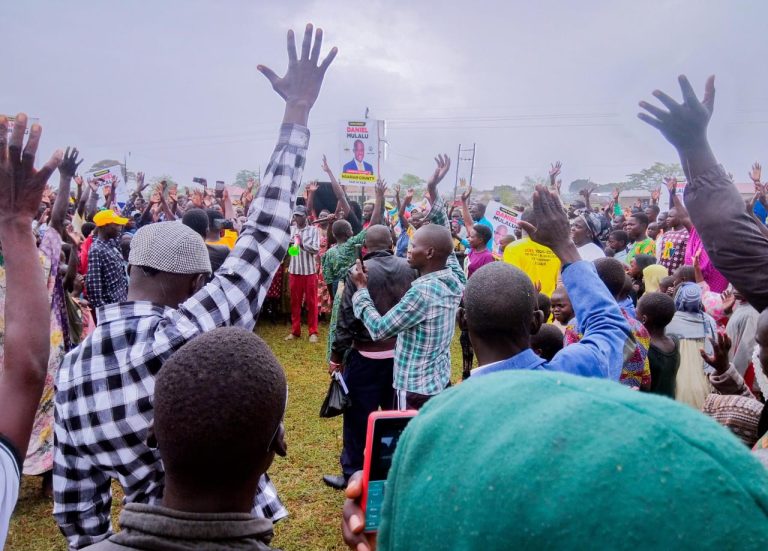
The Ateker Professionals Initiative for Development (APID) has launched a groundbreaking initiative aimed at stimulating household incomes in the Teso sub-region.
Dubbed the Eriago (Wallet) Model, this development strategy focuses on empowering women to take charge of their financial stability and improve their livelihoods through structured savings and investment mechanisms.
Teso remains one of Uganda’s poorest regions, with widespread economic hardship exacerbated by low household incomes and financial mismanagement.
Recent statistics indicate that the region ranks second in poverty levels across the country, making interventions such as the Eriago Model vital in reversing this trend.
Dr. Ruth Obaikol, Chairperson of APID, emphasized the need for a shift from traditional aid dependency to a more sustainable, community-driven approach.
“We are almost starting to think about a zero-aid approach. When aid comes, we receive it, but when it goes, the little work that had started disappears. We need to change the mindset of our people so that development starts as a people’s initiative,” she said.
The Eriago Model is built on four financial pillars, encouraging women to save for: Health, ensuring families can access medical care when needed, Education, majorly prioritizing school fees and learning materials for children.
Eriago model also hopes to improve Home Development, by supporting household improvements such as sanitation and infrastructure and Personal Well-being.
According to Dr. Obaikol, this model aims to teach financial literacy and sustainability rather than just providing funds.
“We are not here to give money but to share ideas. Can we test this model in our communities and see if it can create change?” she posed.
“We know that there are very many families that are fragmented, but at the end of the day, a woman will remain with her children. So it’s a good way to target development because a woman is a big icon in every family. The Eriago Model encourages women to save and invest in their families’ futures,” she added.
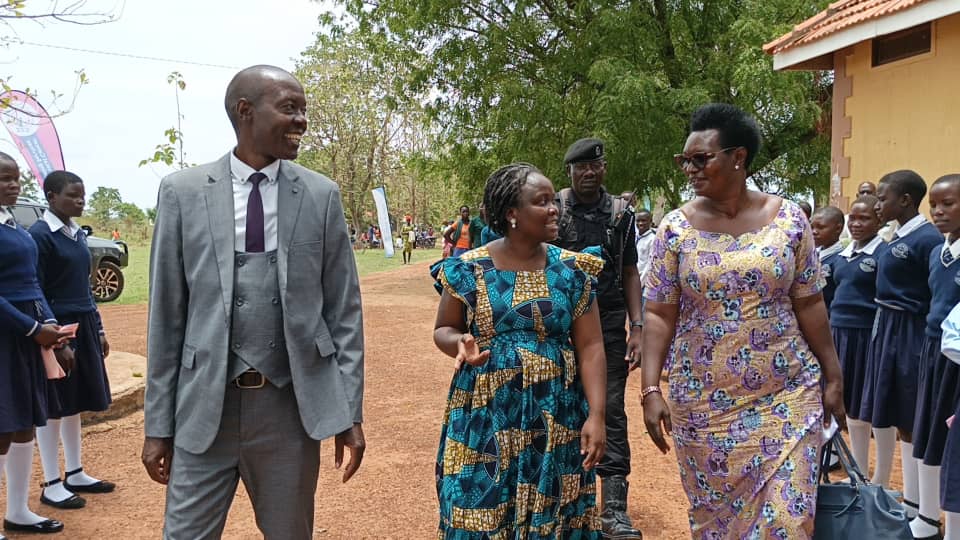
The launch of the Eriago Model was graced by Hellen Adoa, the State Minister for Fisheries and Serere District Woman MP, who lauded APID for its innovative approach.
She reiterated the government’s commitment to women’s empowerment, stating that women play a pivotal role in transforming households.
However, she cautioned women against neglecting their traditional family roles upon gaining financial independence.
“When women are empowered, they will be in a position to change their households. However, I urge them never to neglect their responsibilities as women once they become financially stable,” Minister Adoa advised.
The Parish Development Model (PDM), a government initiative targeting poverty reduction at the grassroots, aligns closely with the Eriago Model.
Under PDM, each parish receives UGX 30 million specifically allocated for women and youth economic activities.
However, Richard Elimu, an NRM flagbearer for Gweri County, highlighted challenges in fund utilization.
“If you talk about SACCOs in the villages, most people think it’s just about collecting money and sharing it at the end of the year for festivities. We need to guide them to invest in income-generating activities instead,” he explained. 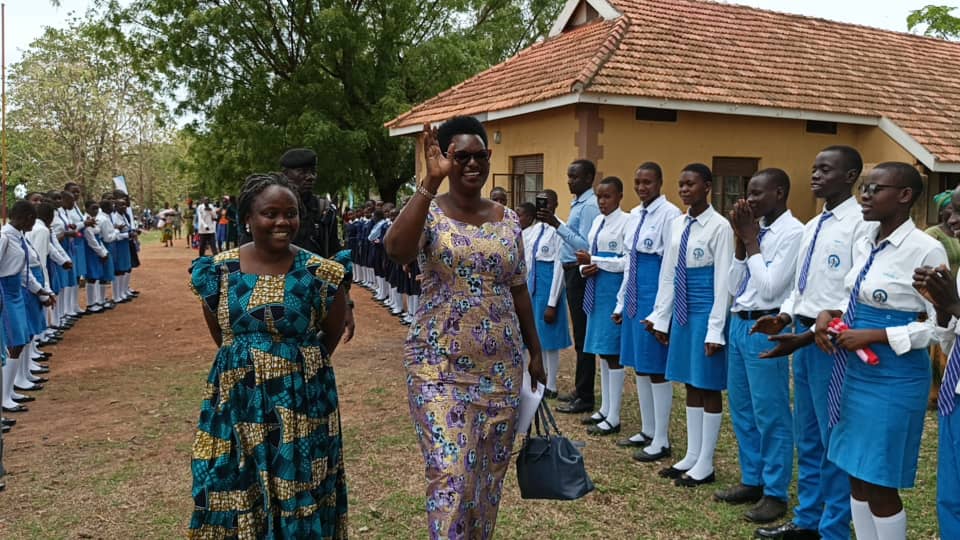
He also pointed out that despite PDM’s efforts, many women face domestic violence and financial exploitation by their spouses, which affects their ability to repay loans.
Local leaders in Soroti District emphasized the importance of financial education to ensure the success of both the Eriago Model and PDM.
Elimu underscored the need for local leaders to assist in financial training, warning that without guidance, the funds disbursed through PDM could be wasted, perpetuating poverty in Teso.
Hellen Agwaro, the Women’s Council Chairperson for Gweri Sub County, welcomed the Eriago Model, noting that many families in the area are headed by women.
“We are delighted because this program will uplift women, especially at the grassroots level. With financial independence, we can better educate our children and improve our homes,” she remarked.
While the Eriago Model presents a promising solution to financial instability, APID intends to monitor its implementation closely, gathering feedback from the community to make necessary adjustments.
The organization plans to work hand-in-hand with government agencies and local leaders to ensure that the initiative is scalable and sustainable.
With financial literacy training, community support, and government backing, the Eriago Model, coupled with the PDM, has the potential to significantly improve household incomes in Teso.
If successful, this initiative could serve as a blueprint for other poverty-stricken regions in Uganda seeking sustainable economic transformation.
About Author