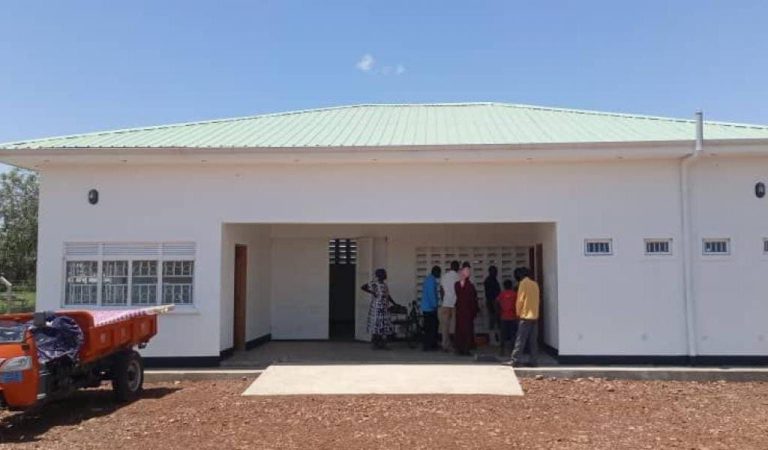

Ms. Hellen Ariokot, the Director of Rehh Vocational Training Institute in Soroti, has called upon the Ugandan government to enact policies that support the growth and sustainability of private vocational institutions.
In an interview with Our Reporter at her residence in Opiyai A, located along Old Mbale Road, Ariokot emphasized the importance of creating a conducive environment for the development of such institutions, which are crucial in addressing the nation’s growing unemployment challenge.

Rehh Vocational Training Institute, which opened its doors in 2017, was established in response to the high rate of unemployment in the Opiyai A area.

Since its inception, the institution has steadily grown and is now serving students from all over Uganda. Currently, the school is home to over 500 students for the 2024 academic year and has graduated 1,746 trainees in various skills since it’s inception in 2017.
“What we need is for the government to ensure that the policies are favorable to us, the proprietors of private vocational institutions,” she explained.

“We need these policies to be in place so that we can thrive and continue to contribute to the development of the country.”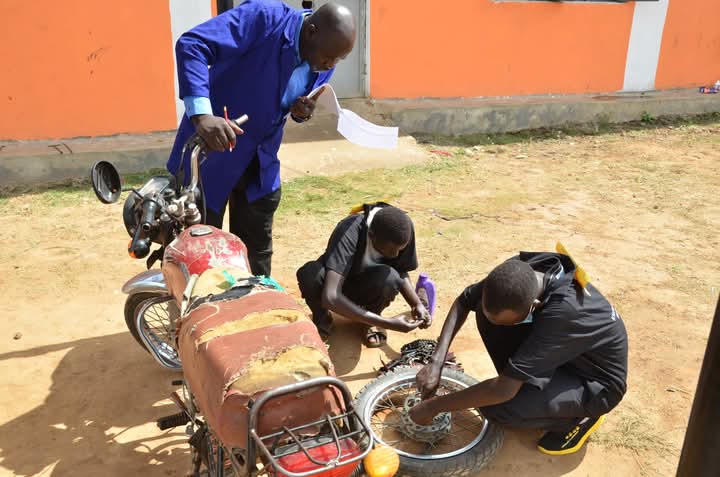
The demand for vocational training is on the rise, and Ariokot is confident that with the right policy framework, institutions like Rehh will be better positioned to meet the demands of the labor market.
She notes that the government has created a relatively favorable environment, but more can be done.
“The government has done well, but we still need more support. The policies should ensure that we have the necessary resources, including financial support and regulatory frameworks, to continue offering quality training.”
Ariokot also expressed concern over some recent challenges faced by vocational institutions, particularly the increase in taxes and the revocation of certification for vocational institutions.
“We are aware that taxes are everywhere, but the recent requirement for vocational institutions to re-register and incur additional costs is a big challenge,” she stated.
“Such policies create a burden on private institutions, making it difficult for us to operate smoothly. We need policies that help, not hinder, our progress.”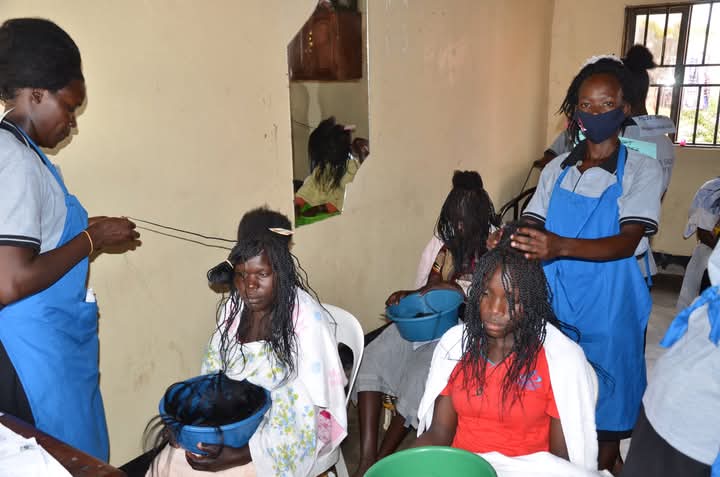
The Role of Rehh Vocational Training Institute in Uganda’s Education Landscape
Since its founding, Rehh Vocational Training Institute has made remarkable progress in providing skills training in various fields, including fashion and design, welding and metal fabrication, hairdressing, catering, joinery, plumbing, building and concrete practice, computer and ICT training, and electronics.
Other courses offered include driving, event management, electrical installation, sweater making, and motor vehicle and motorcycle repair.
Ariokot emphasized the importance of incorporating ICT across all courses offered at Rehh, recognizing the growing need for technology in almost every sector.
“Today, it’s impossible to run a successful business without utilizing ICT. For example, in catering, students must be able to research the latest recipes and trends online, and in fashion design, Google is an essential tool for keeping up with the latest market trends,” she explained.
To ensure that all students have the necessary skills for the modern workforce, ICT training is now compulsory for all courses at Rehh. 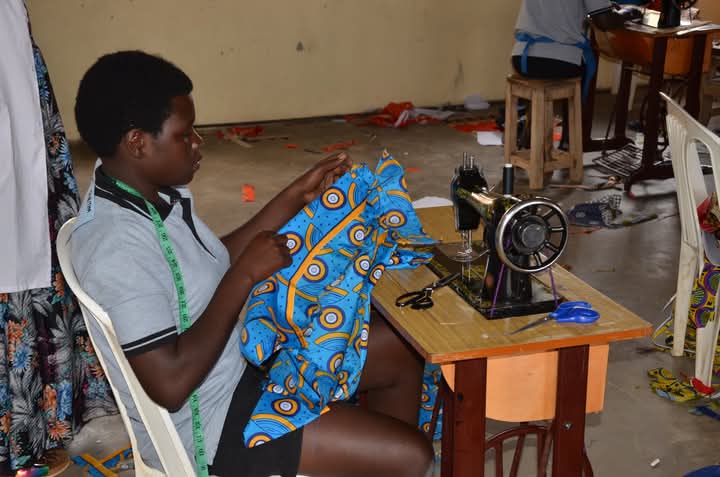
Ariokot believes that this approach has helped students adapt to the technological advancements shaping various industries.
“Whether a student is training in hairdressing, welding, or fashion design, they need to know how to use computers and the internet. Technology is here to stay, and we must embrace it if we want to remain competitive,” she added.
In 2025, the institution plans to expand its curriculum to include business courses, offering both certificate and diploma programs in business management.
“The future is bright, and we are excited to offer more courses that will equip our students with the skills they need to succeed and for those interested to join us you can reach us on 0706648711 or 0782316738,” she said.
Ariokot noted that vocational education is no longer viewed as a fallback option for students who could not excel in traditional academic fields.
She is particularly passionate about changing the perception of vocational education, especially within the Iteso community.
“In the past, many people looked down on vocational education, but we have seen a shift in mindset. More and more people now recognize the value of vocational skills, and many of our graduates are successfully running their own businesses or gaining employment in various industries,” she explained.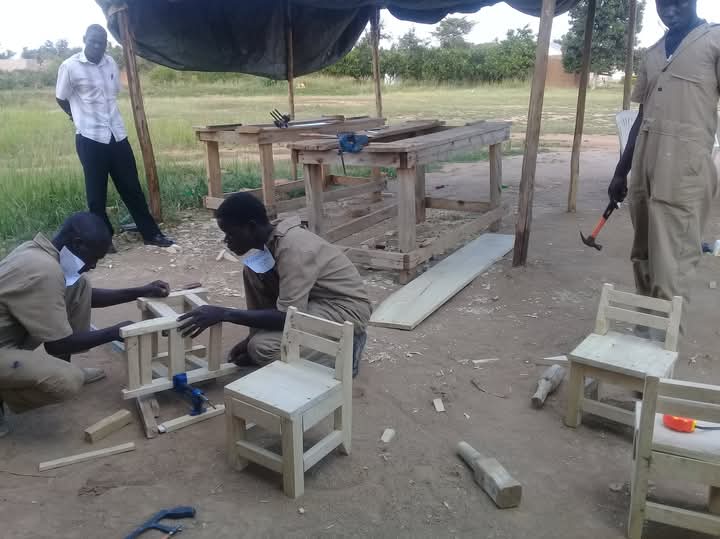
Vocational Education: A Path to Employment and Self-Sufficiency
Ariokot’s commitment to vocational education goes beyond just teaching technical skills.
She has worked tirelessly to sensitize the local community about the value of vocational training, emphasizing that it is a viable pathway to employment and self-sufficiency.
“In many cases, vocational education offers a quicker route to employment compared to traditional academic education. Our students learn skills that are directly applicable to the job market, and as a result, they are better equipped to start their own businesses or secure jobs in their chosen fields,” she explained.
According to Ariokot, the success of Rehh Vocational Training Institute is evident in the high employment rate among its graduates.
“We have conducted several evaluations, and I can proudly say that 95% of our graduates are either employed or running their own businesses. This is a testament to the value of vocational education,” she said.
Ariokot believes that vocational education is not just about learning technical skills; it’s also about developing a well-rounded individual who can navigate the complexities of the modern world.
“At Rehh, we take a holistic approach to training. We focus not only on academic and technical skills but also on the social, emotional, and spiritual well-being of our students. We teach them entrepreneurship and management skills so that by the time they graduate, they are equipped to run their own businesses,” she added.
In addition to providing quality education, Rehh also offers job placement services for its graduates.
“We don’t just leave our students after they complete their courses. We help them find jobs and provide mentorship. Our goal is to ensure that they are successful in their careers,” said Ariokot.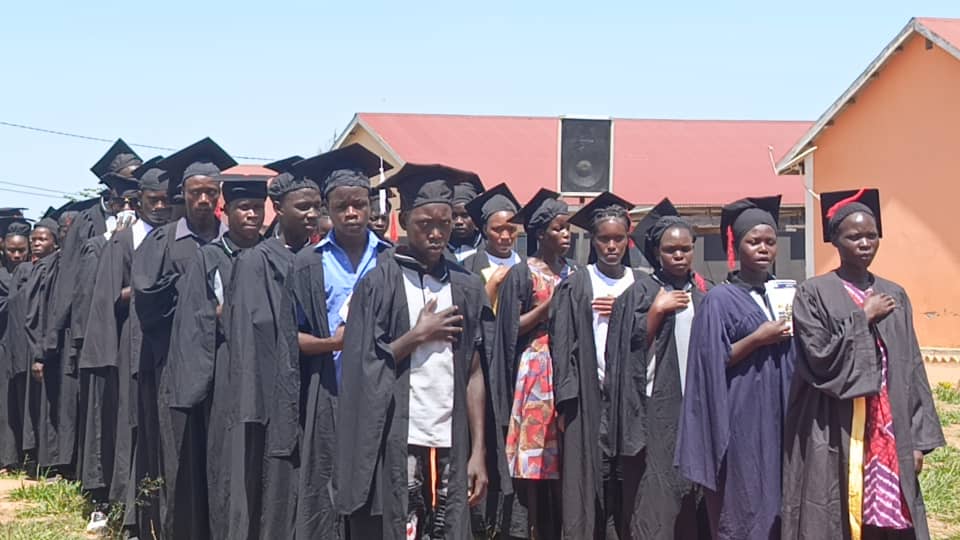
A Call to Parents: Invest in Vocational Education
Ariokot also had a message for parents: “I urge you to consider sending your children to Rehh Vocational Training Institute. We offer a unique educational experience that goes beyond just teaching technical skills. We prepare our students to become leaders, entrepreneurs, and responsible citizens,” she said.
Ariokot remains optimistic about the future of vocational education in Uganda.
While she acknowledges the challenges faced by private institutions, she believes that with the right support from the government, vocational institutions like Rehh can continue to thrive and make a significant contribution to the country’s economic development.
“With the right policies in place, the sky is the limit for vocational education in Uganda,” she concluded.
As Rehh Vocational Training Institute continues to grow and expand its offerings, the call for more government support remains a crucial aspect of the conversation.
Only time will tell if policymakers will heed the appeal of the institution’s director and take the necessary steps to ensure the success of vocational education in Uganda.
About Author