The release of the 2025 Primary Leaving Examination (PLE) results has reignited debate over learning equity in Uganda’s education system, with education stakeholders warning that persistent regional disparities threaten to undermine national development goals.
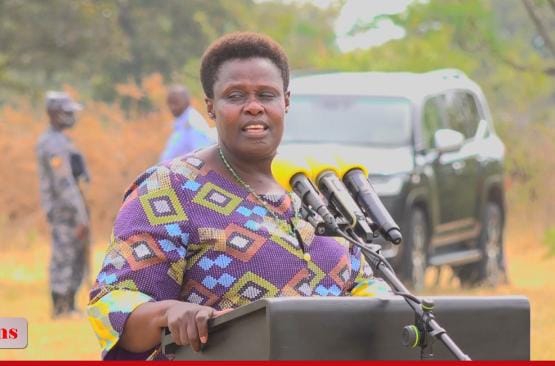
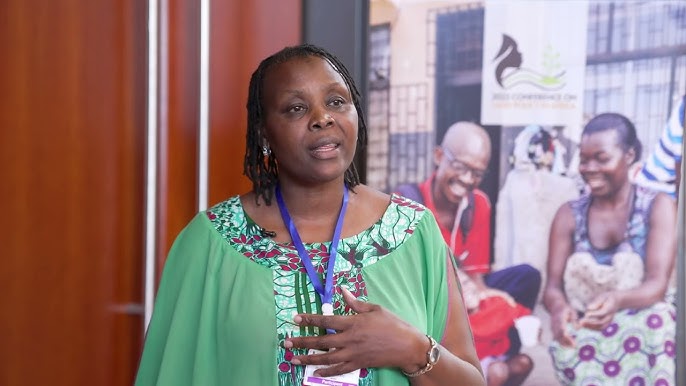
In an open letter dated January 30, 2026, addressed to the Minister of Education and Sports and copied to the Permanent Secretary, the Chairperson of the Ateker Professionals Initiative for Development (APID), Ms Ruth Obaikol, called for urgent, equity-focused reforms to address deep-rooted inequalities in learning outcomes, particularly in historically disadvantaged regions such as Teso.
While acknowledging progress in expanding access to primary education nationwide, Obaikol argued that the PLE 2025 results reveal “uncomfortable truths” about the uneven distribution of learning opportunities across Uganda.

According to an analysis cited in the letter, only a relatively small proportion of learners nationally attained Division One, while the majority clustered in Divisions Three and Four.

However, the situation is markedly worse in some sub-regions, where poor performance is both persistent and geographically concentrated.
The Teso sub-region, comprising districts including Kabelebyong, Amuria, Katakwi, Kalaki, Kaberamaido, Kumi, Bukedea, Ngora, Serere, and Soroti, was singled out as a stark example.
Aggregated performance data from these districts indicates that only about three in ten learners exit primary school academically prepared for secondary education, compared to more than half of learners nationally.
At the same time, over 50 percent of candidates from Teso were reported to be clustered in Divisions Three and Four, with a higher-than-average proportion falling into Division U or X, categories often associated with a heightened risk of educational exclusion.
Education analysts say such trends, if left unaddressed, could perpetuate cycles of inequality and poverty in already vulnerable communities.
“These outcomes should not be interpreted as a failure of children, parents, or teachers,” Obaikol wrote, stressing that the results instead reflect structural and systemic disadvantages that accumulate over time.
Among the challenges highlighted are shortages of qualified teachers, high pupil-to-teacher ratios, inadequate instructional materials, poverty, food insecurity, and limited access to supportive learning environments.
She further noted that national examinations such as PLE do not exist in isolation, arguing that “an examination system can only measure what the system itself has enabled learners to achieve.”
In that context, the PLE 2025 results were described not merely as an assessment of learners, but as a broader assessment of how equitably educational opportunities are distributed across the country.
The letter warned that failure to address these disparities could have far-reaching consequences.
Large numbers of learners may transition to secondary school ill-prepared to cope with the curriculum, dropout rates are likely to remain highest in disadvantaged regions, and intergenerational cycles of poverty and exclusion could continue to be reproduced through education.
To reverse these trends, APID proposed a set of policy actions for consideration by the Ministry of Education and Sports.
Key among them is the adoption of equity-based financing and planning, whereby additional resources are deliberately directed to regions and districts that consistently underperform.
The organisation also called for strengthened early-grade learning interventions, particularly in literacy and numeracy, to prevent learning deficits from compounding as learners progress through the education system.
Other recommendations included the introduction of structured bridging and remedial programmes for learners placed in Divisions Three and Four, rather than treating PLE as a terminal sorting mechanism, as well as enhanced incentives and support for teachers serving in hard-to-reach and historically marginalised areas.
Additionally, Obaikol urged the ministry to make more strategic use of PLE data, not merely for ranking schools and districts, but as a diagnostic tool to inform targeted system improvements.
“Uganda has demonstrated, time and again, that political will and strategic investment can transform sectors,” the letter concluded. “Education should be no different.”
She emphasised that children from Teso and other similarly disadvantaged regions are not seeking sympathy, but fairness, sustained investment, and an education system that recognises and nurtures their potential.
About Author