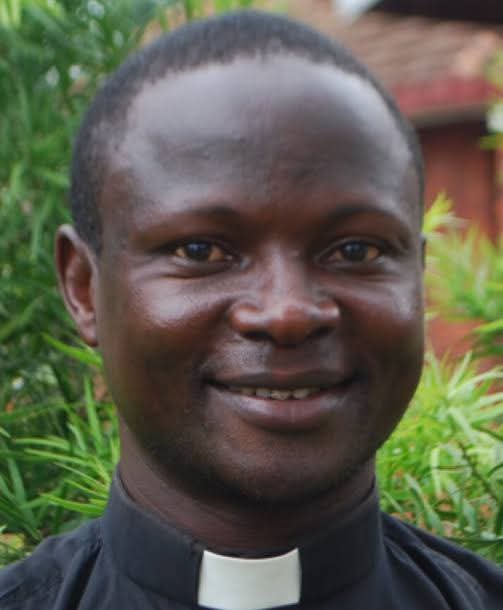
A call for greater investment in youth skilling and mindset change has been made by the Resident District Commissioner (RDC) of Serere District, Mr. John Robert Adiama Ekaju, who has urged development partners and government to increase support for development initiatives in Teso Sub-Region.
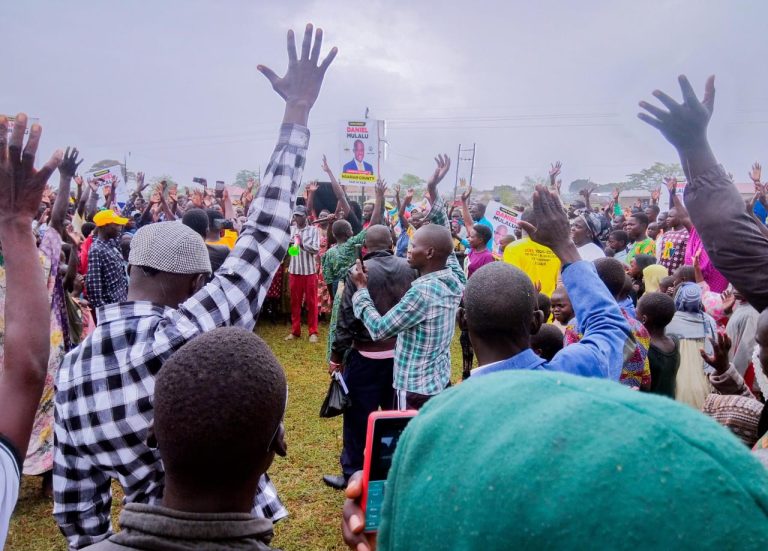
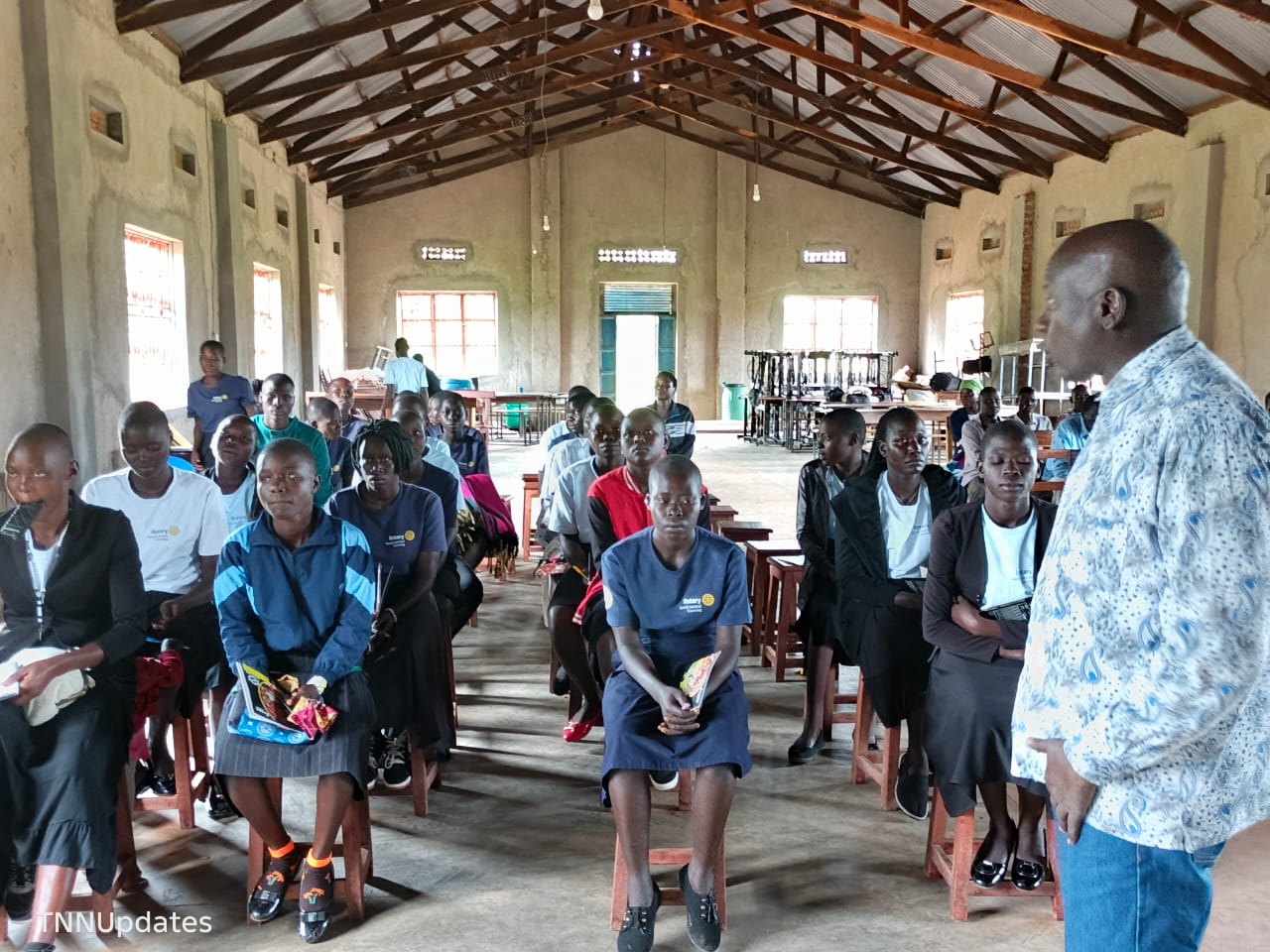
Mr. Adiama, who is also a Rural Development Consultant, was addressing youth during a mindset training organised by the Soroti Youth Development Initiative (SOYODI) in partnership with the Rotary Club of Soroti Central.

The training session, held in Arapai Sub County in Soroti District, targeted young people enrolled in the ongoing skilling courses in the sub-counties of Aukot, Arapai, and Asuret.
During his address, Adiama highlighted the dire poverty levels in the region, pointing to the country’s poverty index which shows that approximately 55.5% of the Iteso population lives in abject poverty.
He stressed that such figures underline the urgent need for development support focused on equipping youth with practical skills.

“Teso needs more of development support in skilling, with backing from various development partners and government,” Adiama emphasised.
He cautioned that without carefully analysing and addressing the root causes of poverty, any attempt at development risks ending up as a wasted effort.
He advised participants to distinguish between what is essential for survival and what merely confers social status, warning that misplaced priorities often deepen poverty.
“What do you need for survival, and what do you need for status? Someone can even purchase what is meant for status for survival,” Adiama observed, warning of the dangers of spending limited resources unwisely.
Mr. Adiama also encouraged residents of Teso to embrace the culture of savings, saying that failing to save only perpetuates the cycle of poverty.
“People who have no savings eventually have nothing to keep. The poverty keeps rotating, leading to little food, unclean water, no formal education, low productivity, high child births, sick elderly and more dependants,” he said.
Turning his attention to the young trainees of SOYODI, Adiama challenged them to share their skills and experiences widely in order to create a “critical mass” that can improve lobbying, advocacy, efficiency, and effectiveness in community development.
He further urged them to embrace change, noting that a negative attitude towards new ideas and methods can limit progress.
“Accepting change is important. Having a negative attitude towards change will impact you negatively because it limits techniques of doing things correctly with skills,” he advised.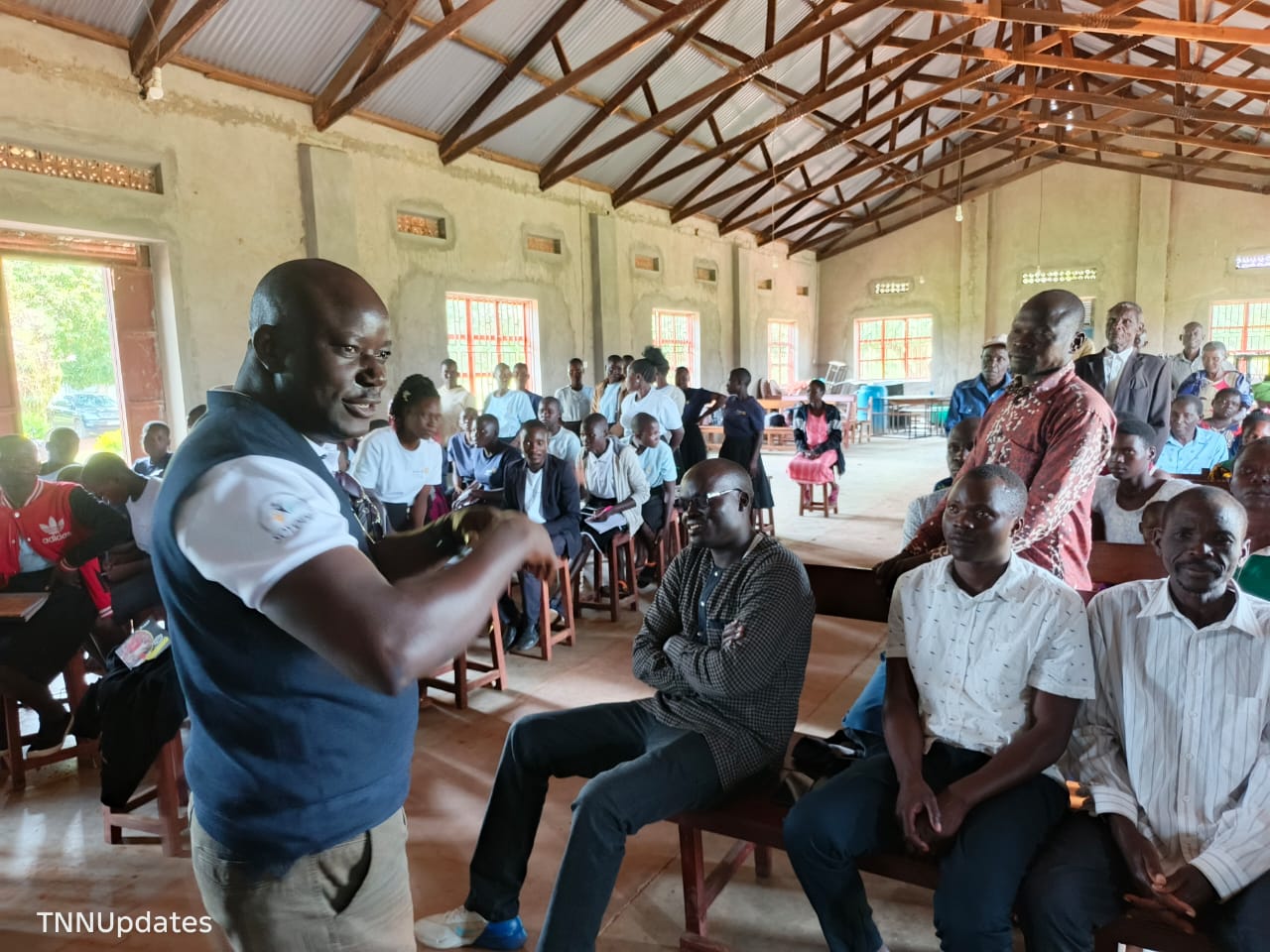
The mindset training session was part of a broader initiative by SOYODI and its partners to help young people shift their outlook towards work, business, and community engagement.
By instilling new ways of thinking and providing practical skills training, the programme aims to tackle the entrenched poverty that has long plagued the region.
Speaking at the same event, Mr. Denis Francis Ajaru, a member of the Rotary Club of Soroti Central, echoed the RDC’s sentiments by urging the youth to participate actively in savings groups and to share ideas with one another.
“We want the youth to participate in savings groups and share ideas in a bid to uplift their financial standing,” Ajaru said.
He expressed hope that the training would not only equip young people with essential skills but also open the eyes of their parents to the need for investing in income-generating activities.
“We hope this training has equipped the youth and their parents on avenues of uplifting their households from poverty. I urge them to seize this opportunity and work towards better livelihoods,” he added.
Mr. Ronald Okuraja, the Project Director at SOYODI, also addressed the participants, focusing on the importance of mindset change as a foundation for success.
“You need to work on your mindsets,” Okuraja told the trainees and their parents. “Open your minds to do business. Without the right mindset, even the best skills cannot deliver results.”
He explained that many young people struggle to benefit from existing opportunities simply because they have not been taught to think like entrepreneurs or to seek out new solutions to their problems.
SOYODI’s approach, he noted, combines practical skills training with mindset work to ensure that youth can apply what they learn effectively in real-life situations.
The training sessions have included business development skills, savings and investment education, and practical vocational training aimed at creating new pathways to employment and self-reliance.
As Teso grapples with persistent poverty and limited job opportunities for young people, local leaders and development partners hope that such programmes can help chart a new path towards sustainable livelihoods and regional prosperity.
About Author