Women in Serere district are being urged to actively participate in the money economy as a means of transforming their livelihoods and contributing to national development.
Despite the Ugandan government’s continued rollout of poverty alleviation programs, implementation challenges such as bureaucracy, technical gaps, extortion, and negative mindsets continue to hinder women from fully benefitting from these initiatives.
Serere, a district in Eastern Uganda, has a female population of 52.6%, higher than the 47.4% male population.

However, women remain disproportionately affected by poverty. Traditionally confined to domestic roles, many women are now venturing into leadership and business, albeit at a slow pace.
Government efforts to uplift women out of poverty are visible, but there is a call for more deliberate and targeted interventions to ensure inclusivity and impact.

“It’s critical that women need to be encouraged to do more,” noted Serere Resident District Commissioner (RDC) Robert Adiama.
“They are many in number and when they concentrate on an activity, they do it genuinely. That’s why saving groups led by women tend to be more successful.”
RDC Adiama emphasized the importance of equipping women with the necessary tools to thrive economically, including access to capital, markets, protection from exploitation, and practical skills to boost enterprise development.
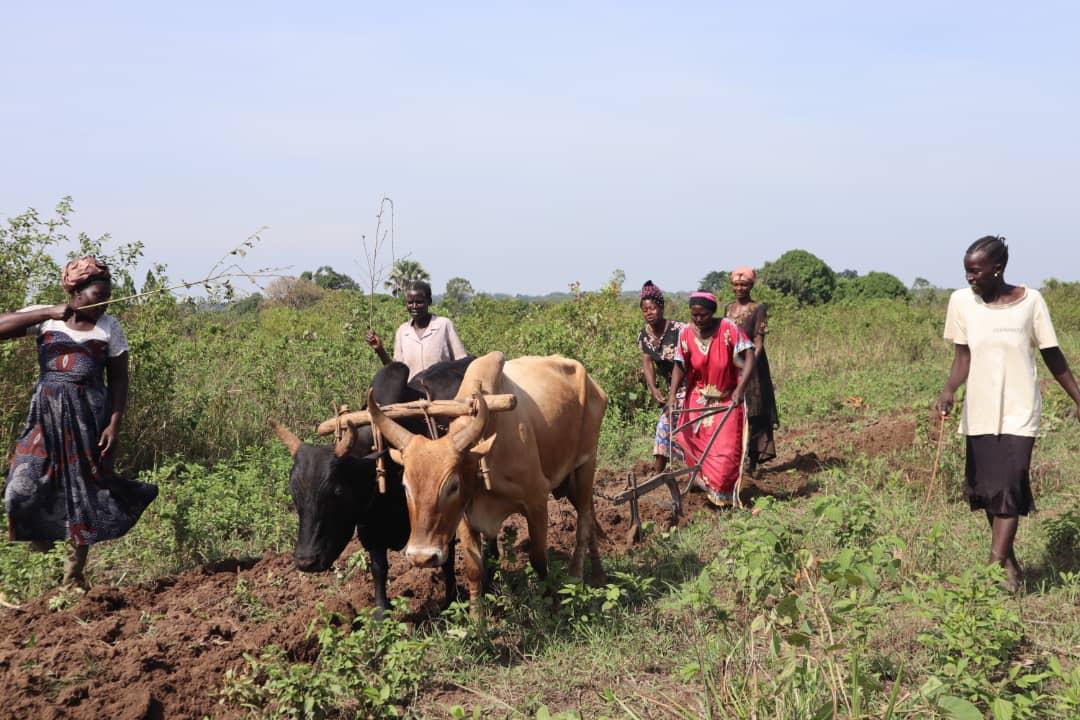
In Serere district, many women have embarked on small-scale businesses such as tailoring, vending, and agriculture.
However, others are still idle or engaged in unproductive ventures due to limited access to resources and societal beliefs that undermine women’s potential.
“Due to the patriarchal structure of African society, many women still believe they cannot contribute meaningfully to the economy,” Adiama added.
“We need to change this mindset by boosting their confidence and supporting them with opportunities.”
Suzan Rose Opio, a tailor operating at Kikota Trading Center in Serere, shared her experience with market limitations.
“Much as I am trying to do business, there’s no ready market for the clothes and bags I make,” she lamented.
“I urge those responsible to link us to markets and provide more capital to boost our businesses.”
Recognizing the gap, Women and Girls Rights Advocacy Uganda (WAGRAU), a community-based organization in Serere, has taken the initiative to economically empower women and girls.
WAGRAU envisions a society where women are treated with dignity, respect, and equality, free from discrimination.
The organization supports women through training and involvement in various income-generating activities, including poultry farming, crop production, livestock rearing, and participation in saving groups.
Sylvia Oluka, WAGRAU’s Communications Officer, highlighted the progress women have made over the years.
“Women are rising up to take charge of who they are, which is a huge step forward. In the past, they were not allowed to attend meetings or contribute ideas. Now, they are part of the conversation. But we still need to empower them to be more productive so they can support themselves, their families, and the nation.”
WAGRAU is actively working with stakeholders and local communities to break down the barriers that limit women’s economic participation.
Their continuous engagement has helped uplift several women, but more support from both the government and private sector is needed to expand the impact.
As Uganda moves towards inclusive development, leaders and community organizations agree that empowering women economically is not just a gender issue but a strategic move for national progress.
“Imagine if most of the women in Uganda were actively engaged in productive work,” Oluka said.
“The economy would flourish, families would be stronger, and poverty would significantly decline.”
About Author