
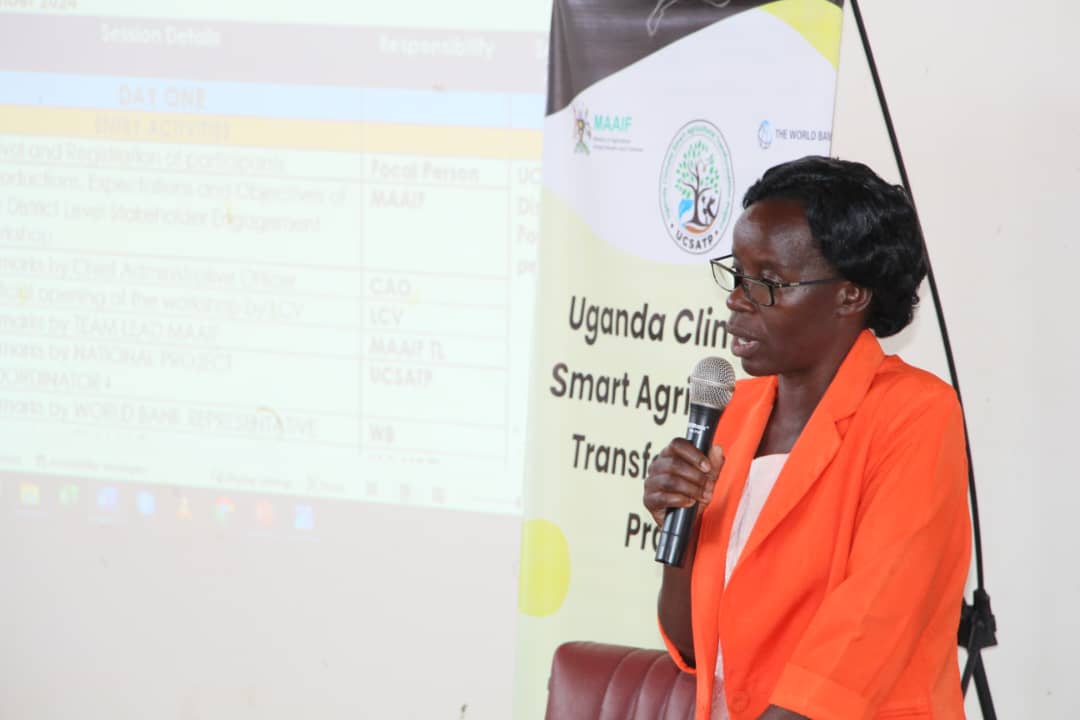
The Kumi District Production Department is grappling with a severe staffing shortage, operating at just 28% capacity, as revealed by Roseline Adongo Luhoni, the district’s Chief Administrative Officer.
Speaking during the launch of the Climate-Smart Agricultural Transformation Project (UCSATP) in Kumi, Ms. Adongo highlighted the critical need to recruit more staff for the department to ensure the effective implementation of the transformative agricultural initiative.

Ms. Adongo emphasized that the current staffing crisis has left most production staff overseeing two or more sub-counties, an overwhelming workload that jeopardizes the success of agricultural initiatives.

Kumi District comprises 18 sub-counties, yet the production department’s limited workforce cannot adequately address the needs of the community.
“Without sufficient human resources, the desired changes in agriculture and farming may remain unattainable,” she stated.

Ms. Adongo called upon the Ministry of Agriculture, Animal Industry, and Fisheries (MAAIF) to advocate for staff in the production department.
She urged district leaders to engage the youth and farming communities, promoting awareness of value chains that could make agriculture more attractive and lucrative.
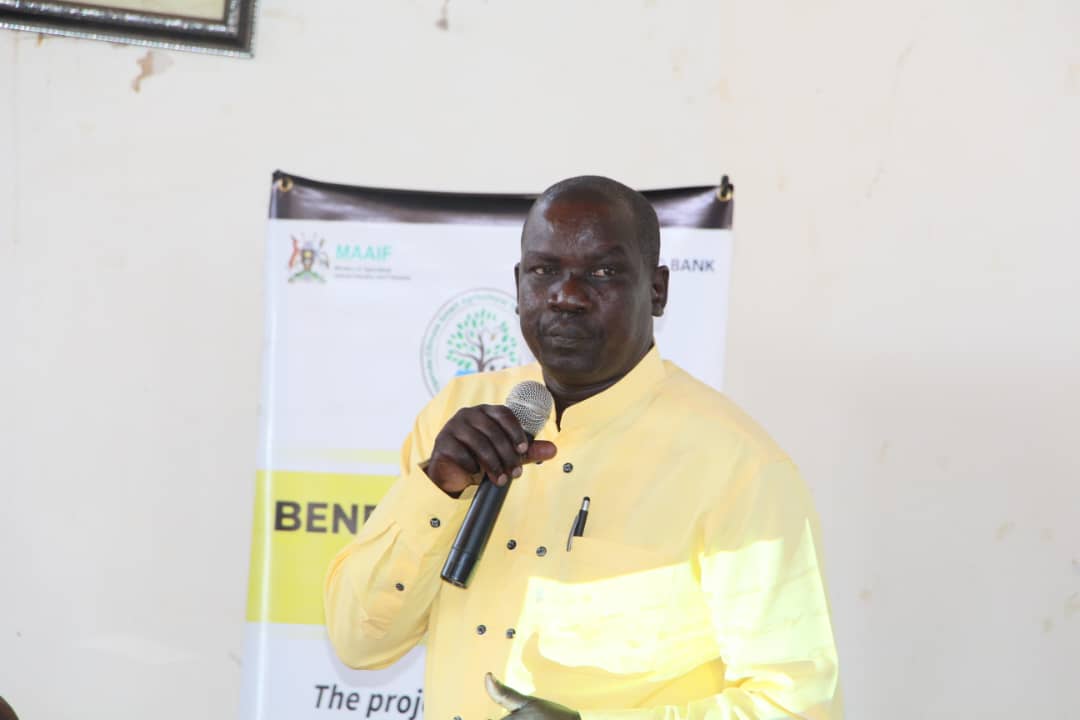
Nelson Elungat, the Kumi District Local Council V (LCV) Chairperson, echoed Ms. Adongo’s concerns.
He described the overwhelming workload faced by the production staff as unsustainable, urging the central government to address the staffing crisis.
“There is no way someone can perform optimally when overstretched. Effective service delivery requires adequate staffing,” Mr. Elungat argued.
The Permanent Secretary of MAAIF, Maj. Gen. David Kasura Kyomukama, in his address delivered by Margaret Aanyu MAAIF team lead, acknowledged the challenges faced by local governments, including staffing shortages.
He assured Kumi District of MAAIF’s support in implementing the Climate-Smart Agricultural Transformation Project effectively.
Maj. Gen. Kyomukama emphasized the need for a mindset shift among stakeholders to embrace innovative approaches aimed at increasing productivity, improving market access, and building resilience in agricultural value chains.
He also warned district staff against poor accountability, urging the Resident District Commissioner to closely monitor the project to ensure transparency.
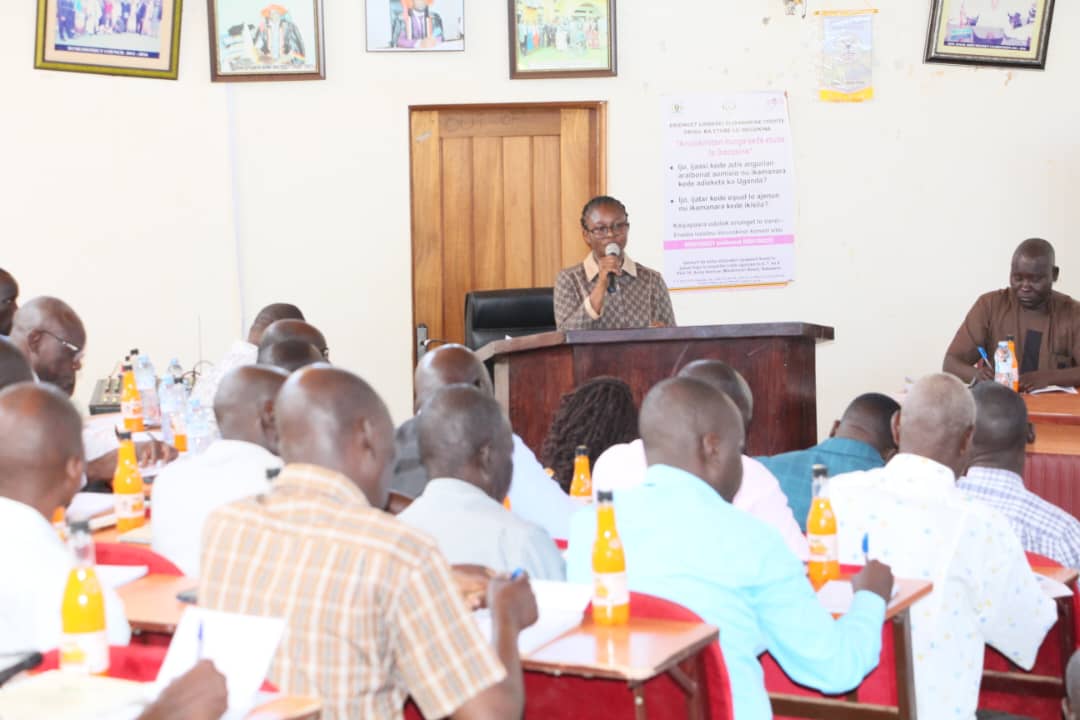
The UCSATP is a six-year initiative by MAAIF, implemented in partnership with the National Agricultural Research Organization (NARO), the National Animal Genetics Resources Centre and Data Bank (NAGRC & DB), and the Uganda National Meteorological Authority (UNMA).
It aims to support climate-smart agriculture technologies and management practices that enhance productivity, household incomes, and resilience to climatic shocks.
The project is expected to benefit approximately 760,000 households (3.9 million individuals) directly and another 1.9 million households (9.5 million individuals) indirectly.
Of these, 620,000 households are from non-refugee districts, while 140,000 are from refugee and refugee-hosting districts.
The project targets 69 districts across 13 agro-ecological zones in Uganda, including seven districts hosting refugees.
In the Teso Sub-region, districts such as Kumi, Bukedea, Kaberamaido, Katakwi, Ngora, Serere, and Kalaki are set to benefit.
The UCSATP focuses on increasing agricultural productivity, market access, and resilience of selected value chains while ensuring a prompt response to crises or emergencies. Its five key components include: Strengthening Climate-Smart Agricultural Research and Information Systems, Promoting Adoption of Climate-Smart Agriculture Technologies and Practices
Other key components are; Market Development and Linkages for Selected Value Chains, Contingency Emergency Response and Project Management, Coordination, and Implementation.
The project also prioritizes the inclusion of youth and marginalized groups in agricultural value chains, with the goal of creating sustainable livelihoods and addressing poverty.
About Author