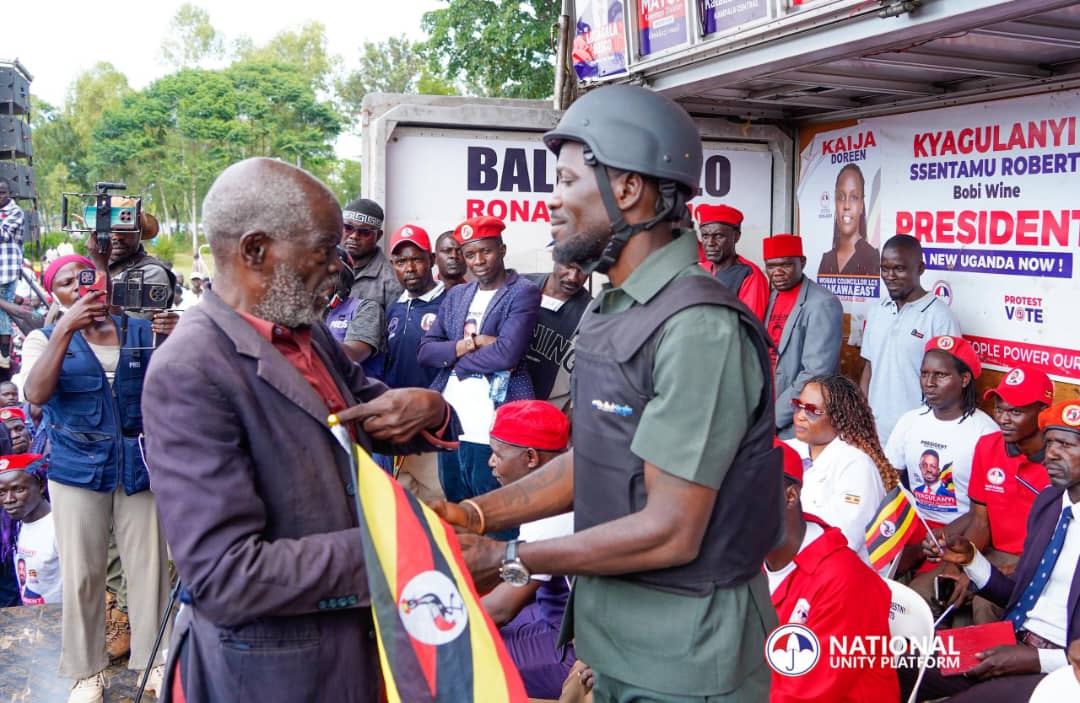
National Unity Platform (NUP) presidential candidate Robert Kyagulanyi Ssentamu, popularly known as Bobi Wine, has pledged to compensate families that lost cattle during past insurgencies and to create at least 10 million jobs for young Ugandans if elected president.
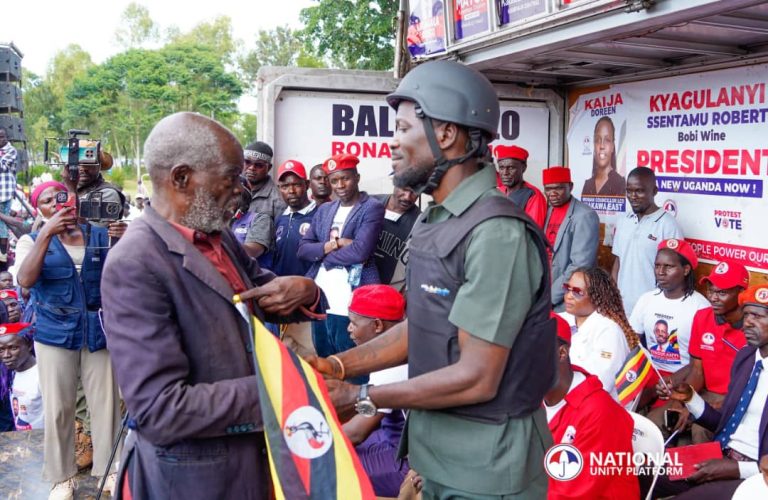
Kyagulanyi made the pronouncements during a campaign rally held at Kalaki Primary School, about two kilometres along the Pallisa–Kumi Road in Pallisa Town Council.

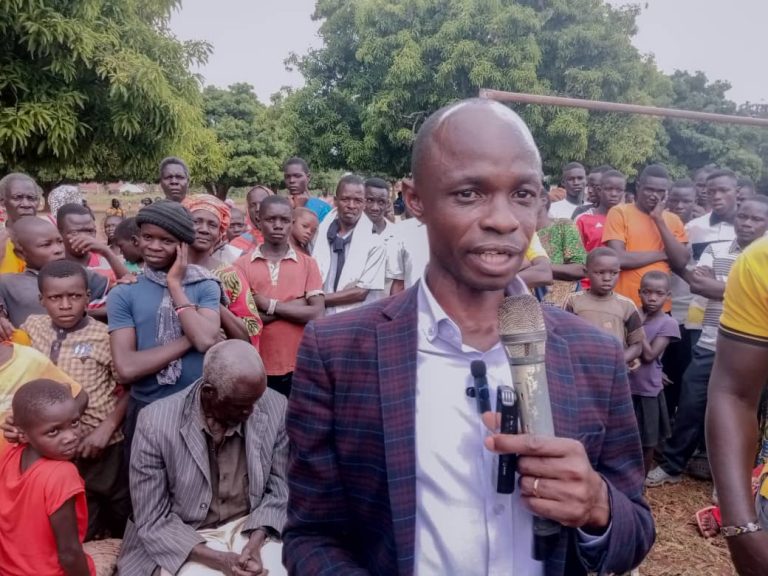
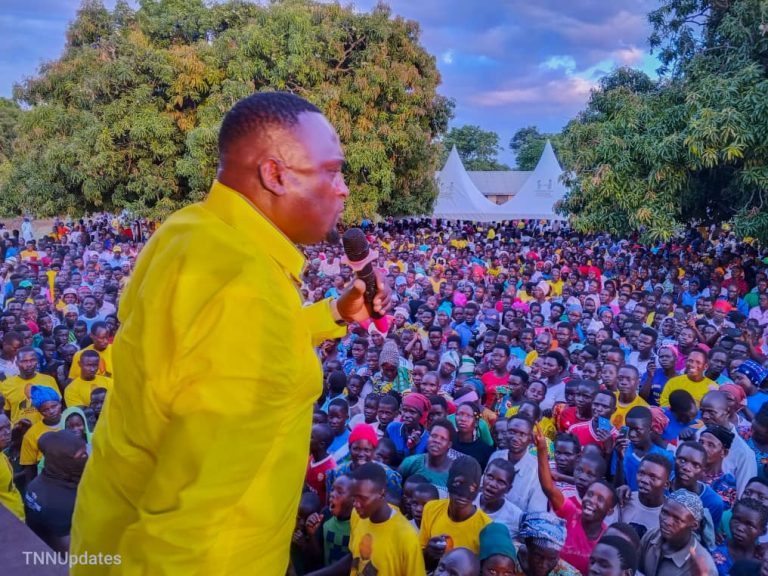
The rally attracted a large crowd of supporters, many of them youth, who listened attentively as the former musician laid out his economic and governance agenda.

Addressing the gathering, Bobi Wine said Uganda’s unemployment crisis could be resolved through deliberate government-led industrialisation that prioritises Ugandans rather than foreign investors.
He argued that both skilled and unskilled citizens would find employment once state-owned industries are established across the country.
“Uganda has enough resources and manpower, but the problem is leadership,” Kyagulanyi said. “We talk about industrialisation, yet the so-called industries belong to foreigners who exploit our people, paying them as little as UGX 3,000 a day while all the profits are taken abroad.”
He criticised President Yoweri Museveni’s long tenure, saying the type of industrialisation being promoted does not benefit ordinary Ugandans.
According to Kyagulanyi, a NUP-led government would invest in government-owned factories to ensure decent wages and national control over profits.
On historical injustices, Bobi Wine promised to compensate communities that lost cattle during insurgencies, particularly in eastern and northern Uganda.
He said the issue has remained unresolved for decades despite repeated promises by the National Resistance Movement (NRM) government.
“For 40 years, cattle compensation has remained a song,” he said. “Our people lost their livelihoods, and nothing meaningful has been done. We shall compensate all those who lost their cattle.”
Kyagulanyi also compared Museveni’s 40 years in power with previous administrations, arguing that despite their shorter tenures, the governments of Milton Obote and Idi Amin left behind visible infrastructure that continues to benefit the country.
“Obote ruled for about 10 years and Amin for eight, but some of what they did is still standing,” he said. “After 40 years, Uganda is still grappling with poverty, unemployment and inequality.”
Turning to agriculture, Bobi Wine assured the people of Pallisa that traditional cash crops such as cotton and tobacco would be revived and offered better prices.
He said restoring these crops would enable families to afford basic necessities and regain economic independence.
He urged Ugandans to use their voting power to bring about change, saying a new Uganda would be built on fairness, equality and merit rather than tribal or family ties.
He criticised what he described as nepotism in government appointments.
“I will not turn Uganda into a family project,” Kyagulanyi said. “We have seen a president appoint his wife as Minister of Education and his son as Chief of Defence Forces. Uganda belongs to all of us.”
Reaffirming his jobs pledge, Bobi Wine said his administration would focus on youth employment by expanding manufacturing, agriculture, technology and creative industries.
He accused the current government of treating Uganda like a personal asset.
“Are you aware that most of the gold mines in this country are controlled by one person?” he asked, drawing murmurs from the crowd.
He also claimed that rural moneylending networks that exploit villagers are controlled by interests linked to the same region.
“Every avenue of our economy has been infiltrated to amass wealth in ways that are unacceptable from a duly elected leader,” he said.
Jane Abbo, the NUP Woman Member of Parliament candidate for Pallisa, used the platform to highlight challenges in the health and education sectors.
She said Pallisa General Hospital has had non-functional X-ray and ultrasound machines for over five years, yet leaders continue to demand its elevation to a Bukedi North Regional Referral Hospital.
Abbo also blamed poor performance in schools on government neglect, saying teachers remain demoralised due to low pay and lack of support.
Bobi Wine echoed concerns about healthcare, describing the situation as inhumane.
He said government priorities were misplaced, citing the purchase of expensive military vehicles instead of ambulances for hospitals.
“Our hospitals lack ambulances to save lives, yet billions are spent on military equipment to follow someone who carries nothing but a small umbrella,” he said.
Several residents welcomed Bobi Wine’s message, saying it resonated with the frustrations of ordinary citizens.
Rogers Opio from Rweta village said the rally had energised young people, who form the majority of voters.
“The youth have awakened,” Opio said. “They now know they are the decision-makers and can choose a leader for their future.”
Simon Omaiso noted that the Pallisa rally demonstrated that campaigns can proceed peacefully if security forces remain neutral.
He said equal treatment of all candidates would reduce tension during the electoral period.
Kanifah Aisa criticised the heavy security presence that often accompanies Bobi Wine’s movements, saying it has backfired on the ruling party.
“When people are threatened or beaten, they may end up supporting the person they see as the victim, even if they had no intention of voting for him,” Aisa said.
Denis Mudenya added that actions by police and the military have unintentionally boosted Bobi Wine’s popularity by raising unanswered questions among the public.
About Author