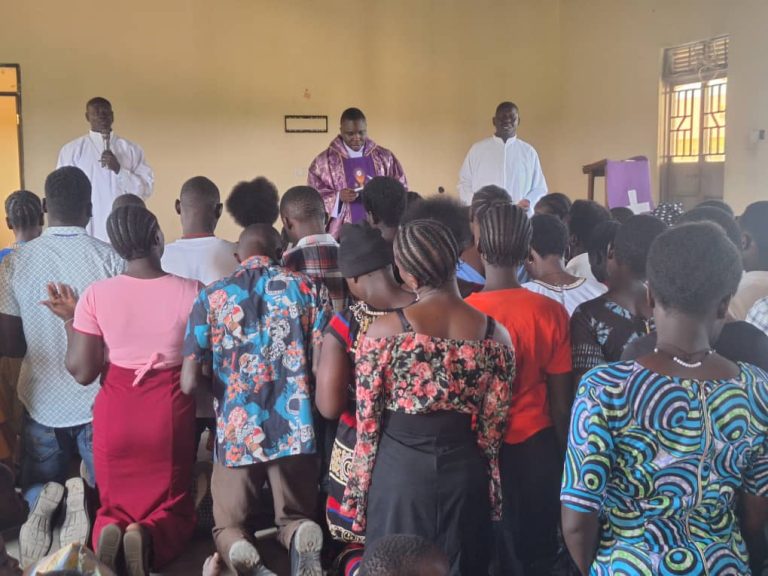

Ndejje University students have been urged to make informed, responsible decisions regarding their sexual and reproductive health during an enlightening seminar held on campus by the Association of Obstetricians and Gynecologists of Uganda (AOGU).
The session, which attracted hundreds of students, sought to equip young people with accurate information and practical guidance to help them navigate the complexities of sexual health, relationships, and personal well-being.

The seminar comes at a time when many universities in Uganda continue to grapple with rising cases of sexually transmitted infections (STIs), unplanned pregnancies, and limited access to reliable reproductive health information.

AOGU, working closely with student leaders and university health officials, emphasized that empowering youth with knowledge is key to reducing health risks and promoting responsible decision-making.
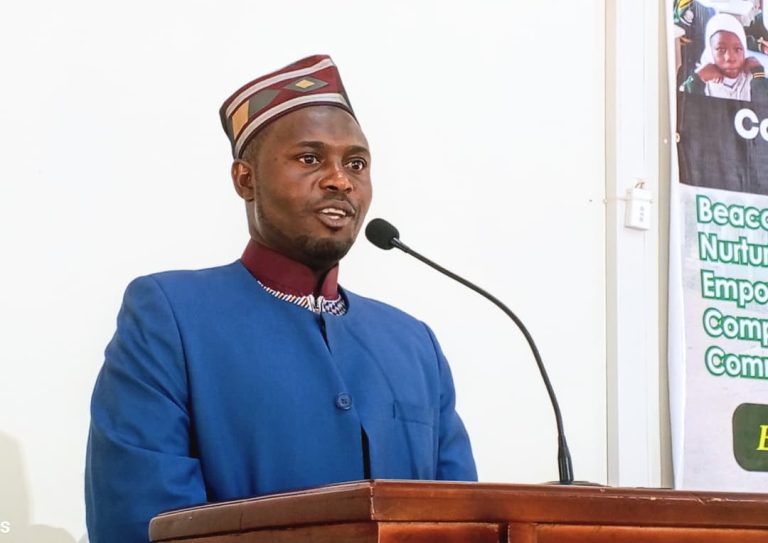
Addressing the gathering, AOGU Chairperson Dr. Kayondo Simon underscored the need for students to view sexual and reproductive health as a holistic aspect of their lives rather than a topic restricted to disease prevention.

He noted that physical, mental, and social well-being are all interconnected, and urged students to cultivate a healthy awareness of their bodies, emotions, and relationships.
“Sexual and reproductive health is not only about avoiding pregnancy or infections,” Dr. Kayondo said. “It encompasses your overall well-being, how you think, feel, and interact with others. Young people must be empowered to take care of themselves in every sense.”
One of the key themes of the seminar was consent, a topic often misunderstood or overlooked among young people.
Dr. Kayondo reminded students that consent must always be free, mutual, clear, and ongoing.
He dismissed the notion that assumptions or silence amount to consent, stressing that both partners must willingly and explicitly agree before engaging in any sexual activity.
He added that students should feel confident in setting boundaries, saying no, or withdrawing consent at any point without fear of judgment, intimidation, or coercion.
“You have the right to decide what happens to your body,” he emphasized. “Consent should never be forced, manipulated, or taken for granted.”
Another major focus of the seminar was family planning, with an emphasis on helping students understand available contraceptive options and how to use them correctly.
Dr. Kayondo outlined several methods including intrauterine devices (IUDs), oral contraceptive pills, injectables, and condoms.
He encouraged students to choose methods that align with their health needs and lifestyles.
He cautioned against the misuse of emergency contraceptive pills, noting that while they are effective for occasional use, relying on them frequently can result in hormonal disruptions and increased health risks.
“Emergency contraceptives are not meant for routine use,” he warned. “If you find yourself needing them often, it’s time to speak to a healthcare provider and choose a more reliable, long-term method.”
Dr. Kayondo also spoke candidly about Uganda’s legal landscape on abortion, reminding students that the law permits the procedure only under limited and specific circumstances.
He urged students to familiarize themselves with these legal provisions to avoid unsafe practices.
He emphasized that fear, stigma, or misinformation should never push young women into risky procedures performed by unqualified individuals.
“Unsafe abortions remain a major cause of maternal deaths,” he said. “If you or a friend faces an unintended pregnancy, seek proper medical and emotional support at a recognized health facility.”
Adding her voice to the discussion, Jael Namiganda, a media practitioner and AOGU member, cautioned students against relying on hearsay, social media influencers, or unverified online sources for health information.
She noted that misinformation, particularly on platforms like TikTok, WhatsApp, and Twitter, has contributed to rising cases of self-medication, delayed treatment, and unnecessary panic among young people.
“Some of the information circulating online is completely false and dangerous,” she said. “Self-diagnosis and guesswork can lead to severe complications or even death. Always consult a qualified health professional.”
Namiganda further encouraged students to become advocates for sexual and reproductive health within their communities by sharing accurate information, challenging harmful myths, and promoting healthy conversations among peers.
The seminar concluded with a call to action for both students and the university administration to strengthen access to sexual and reproductive health services.
Students were urged to make use of campus clinics, counseling services, and peer support groups, while the university was encouraged to continue hosting educational programs aimed at improving students’ well-being.
As Ndejje University continues to nurture the next generation of leaders, initiatives like this remain vital in ensuring that students are not only academically equipped, but also empowered to take charge of their personal health and future.
About Author