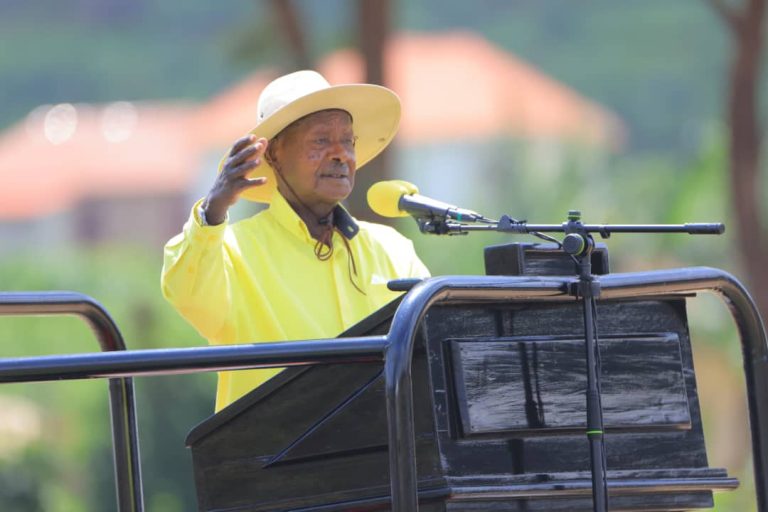

President Yoweri Kaguta Museveni has issued a stern warning to National Resistance Movement (NRM) members who lost party primaries and are running as independent candidates, saying such moves will carry an indelible political stain if they result in the party losing seats to the opposition.
Speaking during a media address at State Lodge in Soroti, Museveni acknowledged the constitutional right of any Ugandan to stand as an independent candidate.

“Constitutionally you cannot bar somebody who wants to be independent. We discussed it in the Constitutional Assembly but we decided not to say that if you take part in the primary party, you are barred from contesting as an independent,” he said,

Mr. Museveni underlined that legality does not equate to political acceptability.
“So they can contest constitutionally, we can’t stop them. But politically I have guided them two ways.”
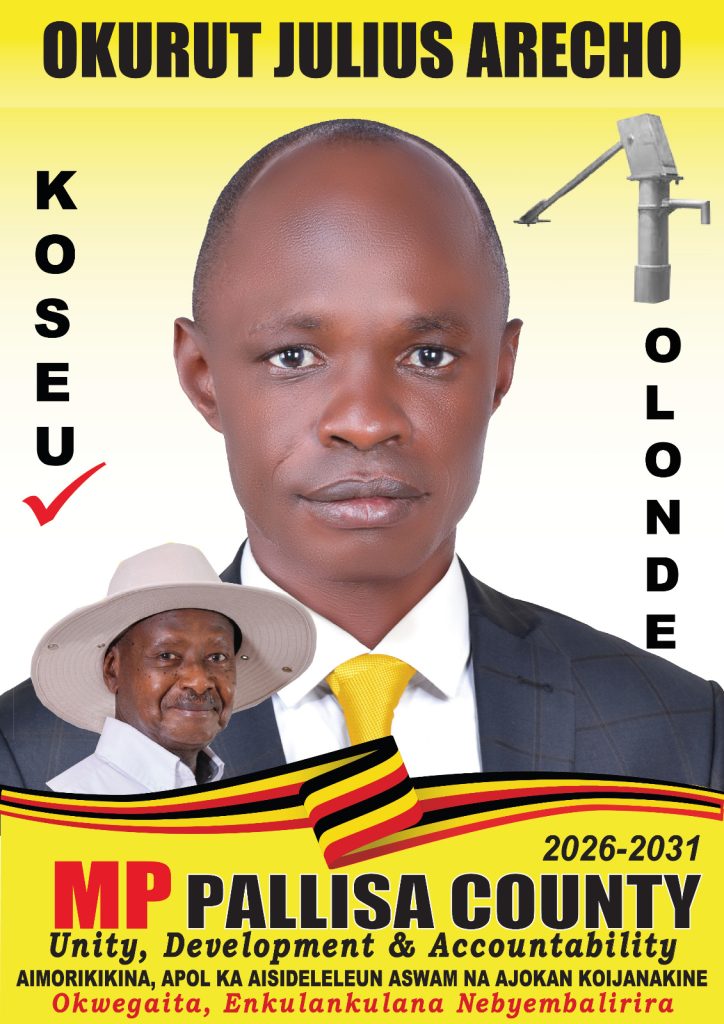
Museveni argued that when an NRM primary loser contests as an independent in a race that also features an NRM flagbearer and an opposition candidate, that candidacy effectively hands the seat to rival parties.
“If you do that, remember you will be condemned forever politically. We shall know that you are the one who caused us to lose,” he warned.
Museveni urged his party members to consider the long-term reputational cost of splitting the vote.
The president pointed to past electoral cycles to stress his point, saying the party had lost a substantial number of seats in some regions because of internal divisions.
“This is what happened in some of the areas, like in Buganda. We lost like 21 seats because of that,” Museveni asserted, adding that similar dynamics had played out in other districts.
He accused the independents of political selfishness when their decisions undermine the party’s broader interests.
Museveni invoked the Biblical story of Solomon to appeal to conscience and compromise.
He recounted how Solomon tested the competing women and determined the true mother by her willingness to relinquish the child rather than see it harmed.
“Why don’t you be like Solomon?,” he urged, suggesting that those who lose should step back for the greater good.
Museveni defended the integrity of the NRM primary system, describing the “lining up” method, where supporters publicly queue behind candidates, as transparent and difficult to rig.
“You line up behind the candidates. In the day, not at night, you line up and you count. Everybody saw. People lining behind the candidates. They counted. You had agents there. But not only agents, even neutral observers could see. So how could you cheat in that situation?” he asked.
Museveni acknowledged that cheating can occur and directed aggrieved parties to document credible complaints.
“You give us facts, we go and check. We shall act criminally against that person. That person will go to jail, the one who ordered, because ordering is a crime,” he said.
He cited recent incidents in which registrars were arrested and charged, urging those with clear evidence to bring it forward for formal investigation rather than resorting to self-help through independent contests.
The president also cautioned that even in constituencies dominated by the NRM, where the primary effectively decides the seat, a disgruntled independent candidacy still causes harm by forcing ordinary voters into divisive choices.
“Even where they are only NRM… it’s not really correct to be an independent there because you disturb our people. These are all NRM. Now you are forcing them to be NRM pro, NRM pro who… I don’t know who,” he said, describing how local communities often prefer peace to politically charged contests.
He appealed to party culture and discipline, recalling his own history of political struggle and compromise.
“That’s what I used to do myself. I had been fighting Amin for eight years. When Amin was about to collapse, people who were doing nothing all gathered to share jobs… they all came and they took all the positions,” he reflected.
His remarks come amid heightened tensions within the NRM as primary losers and disgruntled factions weigh their options ahead of upcoming national contests.
The president’s choice of language, describing post-primary independent bids that hand seats to the opposition as “criminal and politically bankrupt”, signals a zero-tolerance posture toward actions viewed as deliberately destructive to party fortunes.
Yet the speech also left room for redress through party mechanisms and the law. Museveni urged that disputes be brought before party tribunals and, where criminal behaviour is apparent, to state authorities: “If the tribunal didn’t sit, I’m here. I’m the chairman of the NRM. You bring it to me. I’ll go and counter check. I’ll send my people.”
His emphasis on evidence-based recourse was likely intended to reduce the temptation to pursue independent bids on the grounds of perceived injustice.
Political Analyst Andrew Ocen says Museveni’s warning is intended to shore up party discipline and reduce vote-splitting that could hand vulnerable seats to rivals.
About Author