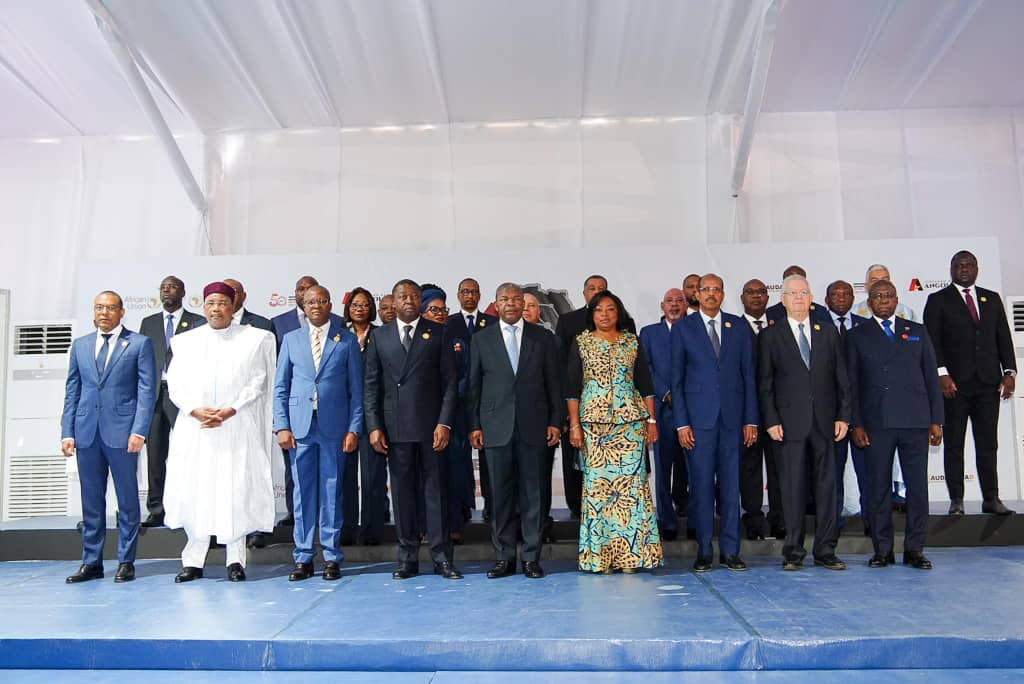
African leaders, investors, and policymakers have convened in Luanda for the Third African Union Summit on Financing Infrastructure Development in Africa, a landmark event aimed at transforming Africa’s infrastructure ambitions into investment-ready, bankable projects.
The summit, which runs from October 28–31, 2025, is being held under the High Patronage of H.E. João Manuel Gonçalves Lourenço, President of Angola and Chairperson of the African Union.
Uganda’s representation at the summit is led by Hon. Gen. Jeje Odongo, the Minister of Foreign Affairs and Member of Parliament for Orungo County, who is attending the high-level meeting on behalf of H.E. President Yoweri Kaguta Museveni.

Speaking from Luanda, Gen. Odongo emphasized that the AU-sponsored summit is a crucial platform for African leaders to deliberate on sustainable financing mechanisms for infrastructure development across the continent.
He noted that discussions would center around strategies to mobilize resources to bridge Africa’s estimated $100 billion annual infrastructure financing gap.
“This summit seeks to align Africa’s infrastructure priorities with innovative financing models, digital transformation, and climate resilience. It is an opportunity for African nations to chart a unified course toward industrialization, diversification, and sustainable growth,” Gen. Odongo remarked.
The Third Summit on Financing Infrastructure Development in Africa has been carefully designed to address the financing bottlenecks that have long impeded the continent’s progress.
Gen. Odongo highlighted several critical themes on the agenda, including: Domestic Financing Mechanisms, Digital Transformation in Infrastructure Financing, Climate-Resilient Infrastructure and Green Finance, Cross-Border Energy and Transport Investments, and Financing for Industrialization and Regional Integration among others
According to the African Union Commission (AUC), the summit’s overarching theme, “Capital, Corridors, Trade: Investing in Infrastructure for the AfCFTA and Shared Prosperity,” reflects the continent’s growing determination to unlock local and global capital for transformative projects that will connect economies and accelerate intra-African trade.
Organized by the African Union Commission (AUC) and the African Union Development Agency (AUDA-NEPAD), in partnership with the Government of Angola, the summit seeks to achieve five major objectives including; Mobilise Diverse Financing, Enhance Project Bankability, Foster Partnerships, Empower Innovators, and Advance Regional Integration.
“Africa’s infrastructure future depends on how well we blend public policy with private investment. We must create confidence among investors by presenting well-prepared, transparent, and high-return projects,” Gen. Odongo stressed.
The summit brings together Heads of State, Cabinet Ministers, development partners, multilateral banks, and private sector leaders in a coordinated effort to bridge Africa’s infrastructure financing gap.
Among key institutions in attendance are the African Development Bank (AfDB), the World Bank, and leading global investment funds.
With an estimated 65% of Africa’s population under the age of 35, the summit underscores the need for infrastructure that supports inclusive growth, innovation, and employment creation.
Uganda remains steadfast in its commitment to regional integration and infrastructure-led development.
Under President Museveni’s leadership, the country has championed key infrastructure projects, from energy expansion and oil development to transport and digital connectivity, all aligning with the African Union’s Agenda 2063.
Gen. Odongo reaffirmed Uganda’s readiness to work with partner nations and investors to ensure that the outcomes of the Luanda summit translate into tangible improvements in regional connectivity and trade facilitation.
“This summit is not just about promises; it is about practical commitments. Uganda supports every initiative that strengthens Africa’s capacity to finance its own development and achieve self-sustaining growth,” he concluded.
About Author