By Emmanuel Olinga
Health and veterinary authorities in Katakwi District have confirmed a suspected outbreak of rabies that has already claimed the lives of two children and left at least 93 residents nursing dog bites.

The situation has sparked fear across communities, with local leaders and medical experts urging urgent vigilance and preventive action.

Dr. Anthony Odeke, the Acting District Veterinary Officer for Katakwi, confirmed the outbreak, identifying several hotspot sub-counties reporting cases of rabid dogs.
These include Palam, Ngariam, Guyaguya, Ongongonja, Okulonyo, Omodoi, Akoboi, Katakwi, and Angodingod.

“Residents must be cautious and learn to identify symptoms of rabid dogs and cats, such as sudden changes in behavior, excessive saliva, continuous barking, and unusual biting of objects. Such animals should be reported immediately to veterinary officers,” Dr. Odeke warned.
He further urged the community to be alert not only to dogs but also other carriers of the rabies virus, including cats, foxes, and bats.
“Rabies is deadly, and avoiding exposure to suspicious animals is critical,” he stressed.
Rising Cases of Bites and Deaths
According to Michael Okiror, the District Health Educator, Katakwi is recording between four to five new dog bite cases daily, pointing to a worrying rise in rabies infections.
Records from Katakwi General Hospital indicate that two children have already died in the district.
The most recent death occurred on September 30, when a child from Atira Village in Ngariam Sub-county succumbed to rabies. Another fatality was recorded in August.
“Currently, 93 people have reported being bitten by suspected rabid dogs, while over 25 livestock, including cows and goats, have also been attacked. Alarmingly, 106 dogs themselves have been bitten by rabid dogs,” Okiror revealed.
The increase in animal-to-animal and animal-to-human transmission has heightened fears that without urgent intervention, the outbreak could spiral further.
Understanding the Risks
Rabies is a viral disease that attacks the central nervous system (CNS).
It spreads through the saliva of infected animals, often via bites, scratches, or exposure to mucous membranes like the eyes, nose, or mouth.
Once the virus reaches the brain, it multiplies rapidly, causing severe inflammation and almost certain death if untreated.
Early symptoms in humans include fever, headaches, tingling at the bite site, and general weakness.
As the infection progresses, patients may develop anxiety, confusion, agitation, difficulty swallowing, hallucinations, paralysis, hydrophobia, and eventually coma.
“The most important first aid step is to wash the wound thoroughly with soap and clean water for at least 15 minutes immediately after the bite, before rushing to the nearest health facility,” Okiror advised.
The Cost of Treatment
While treatment exists, it remains costly and sometimes inaccessible.
Rabies post-exposure prophylaxis involves administering immunoglobulin injections around the wound for severe cases and a series of four to five rabies vaccine doses over two to four weeks.
“In government facilities, stockouts sometimes occur. In private clinics, a single rabies injection can cost up to Shs 70,000, making it unaffordable for many rural families,” Okiror noted.
For those at high risk, such as veterinarians, animal handlers, and travelers to endemic areas, pre-exposure prophylaxis vaccines are recommended. However, community members remain most vulnerable when vaccines are scarce or delayed.
Calls for Government Intervention
Community leaders have appealed for immediate government intervention.
Charles Ilukol, the chairperson of the Katakwi business community, emphasized the need for adequate vaccine distribution.
“We want the government to roll out rabies vaccines in all health facilities across the district. People are desperate, and quick treatment can save lives,” Ilukol said.
Similarly, Paul Omoding, a resident of Aleles Village in Akoboi Sub-county, stressed that rabies should be treated as a health emergency.
“Our children are dying, livestock are perishing, and the fear of being attacked by dogs has paralyzed our community. Vaccines must be made accessible and affordable,” he said.
Vaccinating Animals to Save Lives
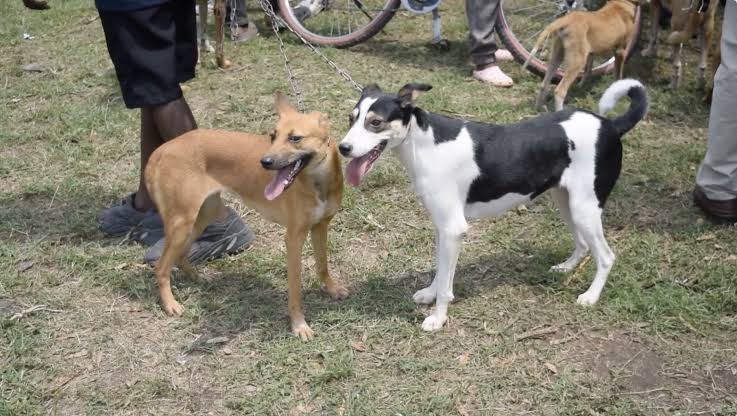
In response, veterinary officials have announced plans to roll out a mass vaccination exercise targeting dogs and cats across Katakwi District.
The campaign is set to begin in Ngariam Sub-county on Monday, September 6, 2025, and will be provided free of charge.
Experts note that vaccinating animals is the single most cost-effective way to prevent human rabies deaths, as it breaks the transmission chain at the source.
“The surest way to protect people is to vaccinate animals. If we can vaccinate all dogs and cats, we shall save both human and animal lives in Katakwi,” Dr. Odeke emphasized.
Residents are being urged to restrain and present their animals for vaccination, avoid unnecessary contact with stray dogs and cats, and report any suspected rabies cases immediately.
For advertising or to run your news article, contact us on 0785674642 or email tesonewsnetwork@gmail.com
About Author