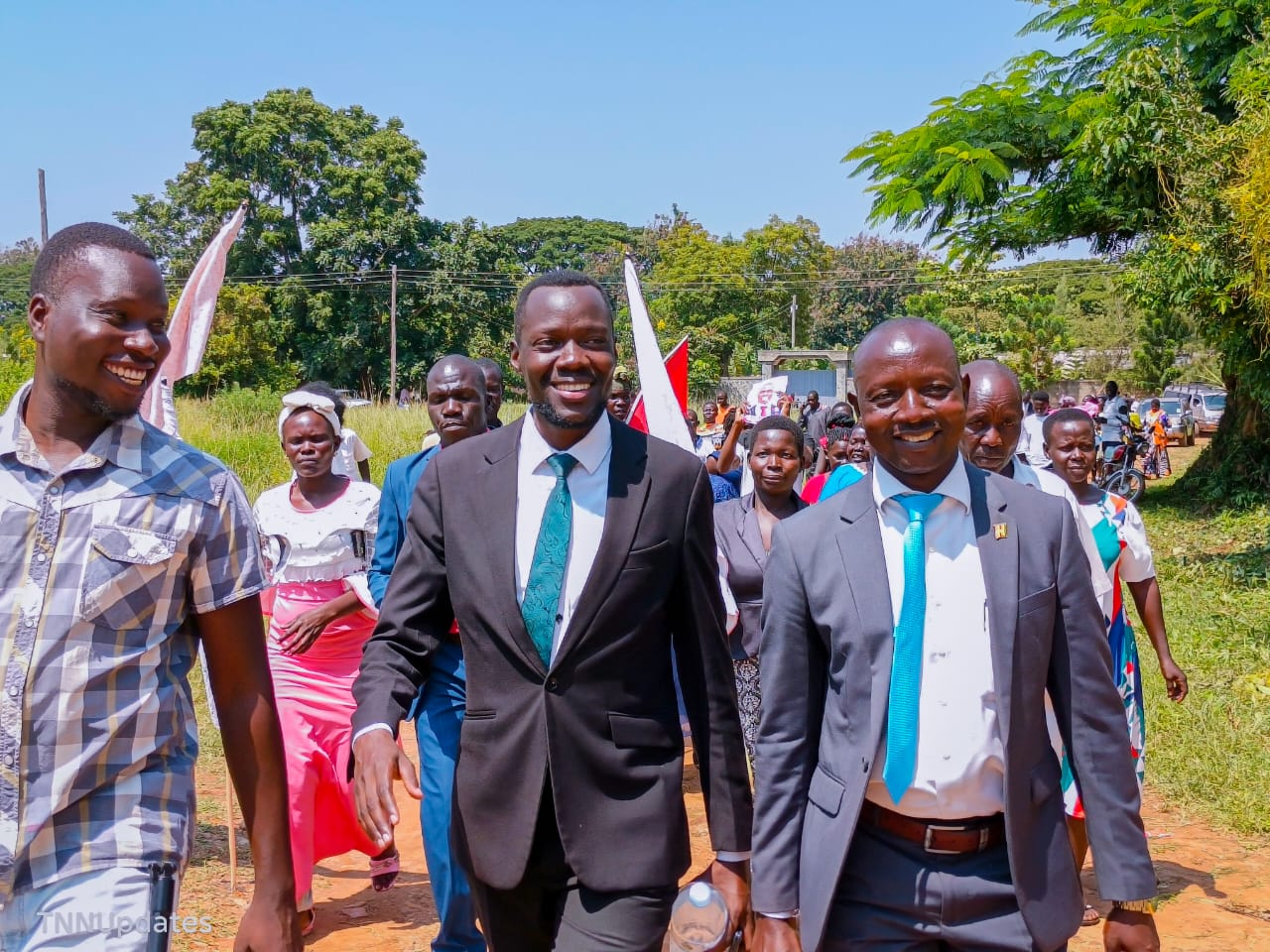
The race for Soroti City’s top seat has gained momentum after city lawyer and longtime Forum for Democratic Change (FDC) member, Edmond Elasu, officially unveiled his development master plan after being nominated to run as an independent candidate.
The decision now sets up a heated three-way contest against FDC’s flag bearer, Paul Omer, and the ruling National Resistance Movement (NRM) candidate, Francis Esudu.

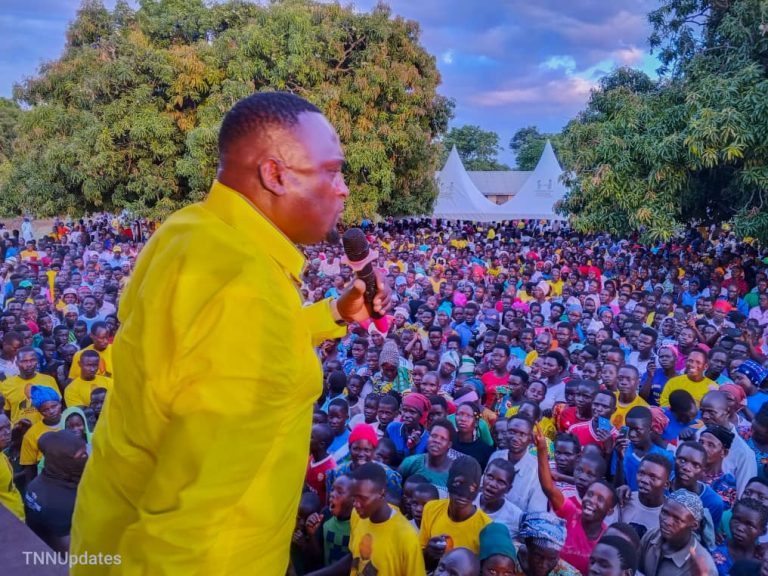
Addressing the press after his nomination at Soroti Regional office, Elasu outlined a bold agenda centered on fighting corruption, restoring order, improving infrastructure, and empowering marginalized groups within the city.
He also took time to explain his dramatic fallout with FDC, a party he has belonged to for nearly two decades, accusing it of denying him a fair chance in the primaries.
In his speech, Elasu did not mince words about what he considers Soroti City’s biggest stumbling block: corruption.

“One of the things that we have struggled with as a city is the issue of corruption. People have just been singing about corruption, yet they are romancing it. Me, as Elasu, I want to deal with the issue of corruption decisively,” he declared.
He argued that corruption in both political and technical circles has stalled development, leaving the city lagging behind smaller municipalities.
“It is because of corruption that there are so many things tying us as a community. We are failing to move. If we deal with corruption first, Soroti City will finally have a chance,” he said.
With a strong legal background, Elasu vowed to use his expertise to hold corrupt actors accountable, describing the fight as central to unlocking development funds that have long been diverted into private pockets.
“Resources are being squandered through corruption ventures. People are looking satisfied all the time, yet they are doing no work. That must end. The money that disappears can build schools, hospitals, and better roads for our people,” he added.
Turning his focus to urban management, Elasu painted a grim picture of Soroti’s state.
“Let’s be honest: Soroti is the most disorganized city in Uganda. In fact, some municipalities are better than Soroti. If you went to Kumi, you may wonder whether Kumi is the city and Soroti is just a ward,” he remarked.
He criticized past leaders for clinging to office without offering meaningful transformation.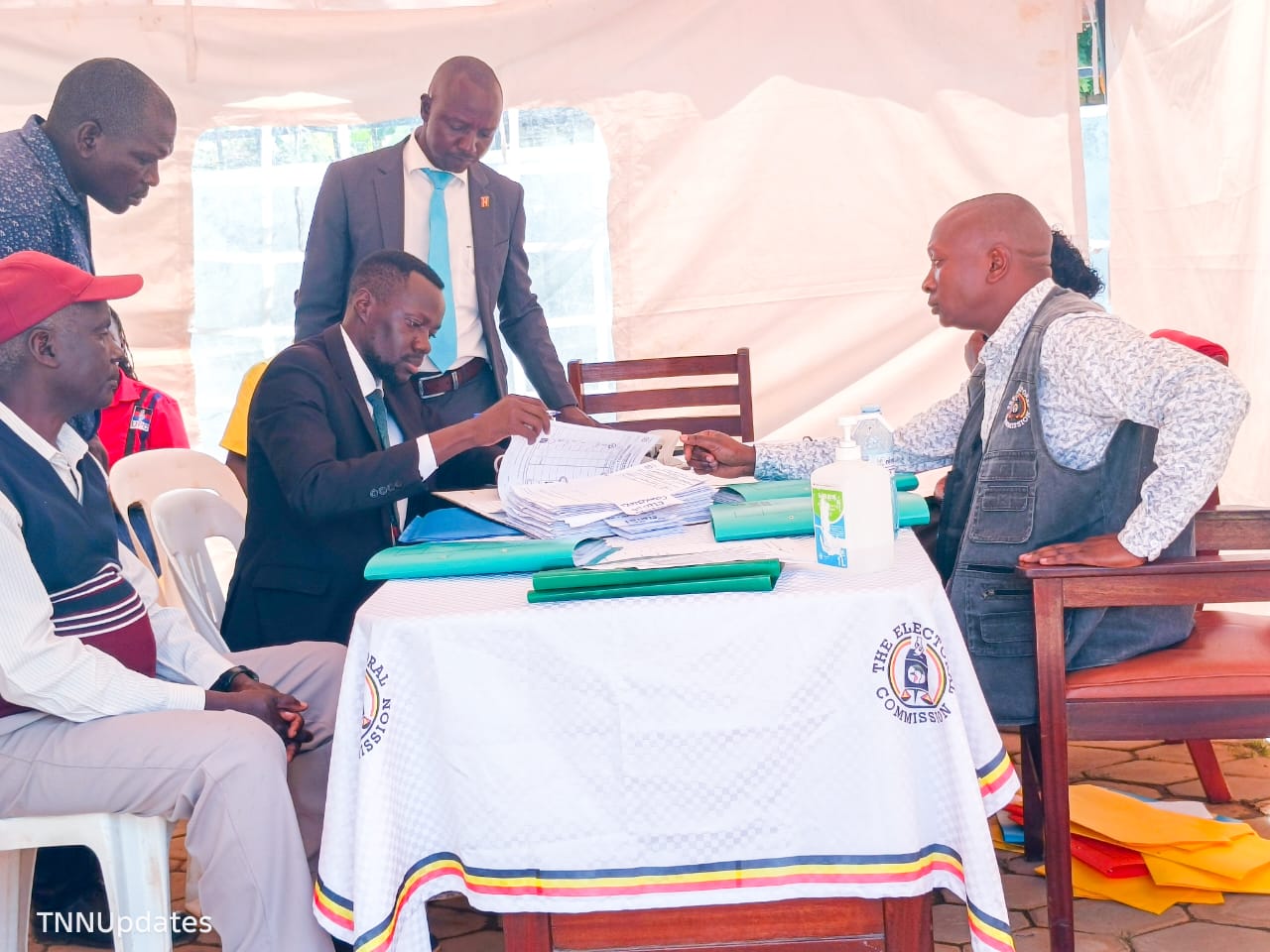
“You cannot expect change from people who have failed to produce it for decades. The garbage problem, disorganized parking, poor planning, everything is in total disarray. I aspire to create order in Soroti City because order is the foundation of development,” Elasu said.
He pledged to reorganize public spaces, introduce proper waste management systems, streamline traffic and parking, and ensure that city plans reflect the needs of residents.
Elasu also promised to build a people-centered administration rooted in empowerment.
“The city should work for everybody, not just a few people. Empowerment must happen for youth, women, the elderly, and even boda boda riders. Everyone must feel that they have a stake in Soroti’s progress,” he said.
He pledged to invest in vocational training, support women-led enterprises, and create platforms for youth participation in governance.
“Gone are the days of telling lies and making empty promises. Soroti needs progress, not stories. I am here as young blood, ready to take on both old and new forces standing in the way of change,” he said with emphasis.
While his master plan excited many, questions lingered about why a man who has been an FDC loyalist for 20 years chose to break away.
Elasu took time to explain his decision.
“People subscribe to political parties for different reasons, values, ideology, or simply because they see the party as a vehicle for leadership. For me, FDC resonated with my values and aspirations. I wasn’t there for fun; I had dreams, I had contributions to make,” he explained.
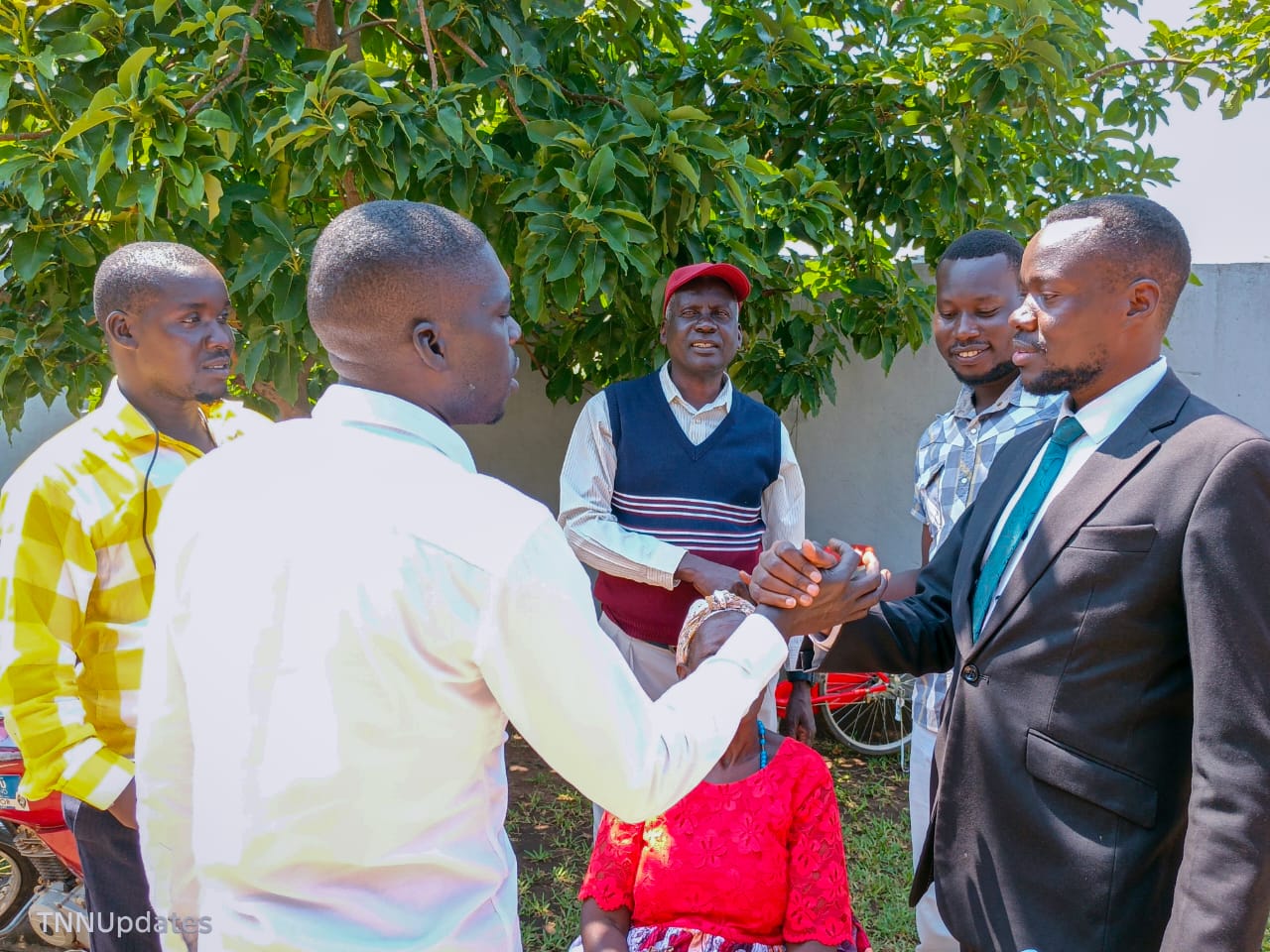
However, according to Elasu, the party betrayed its own democratic values by refusing to hold mayoral primaries and instead handpicking incumbent Paul Omer as the flag bearer.
“You cannot join a football club only to be kept on the bench forever. I believed it was my time to play. Unfortunately, the referee in FDC said no. But I said, I must play the game. That is why I am here, nominated as an independent,” he said.
Elasu emphasized that he holds no personal grudge against Omer or any party leader, but insisted he had been denied the opportunity to compete fairly.
“My only issue is that I was denied a chance to defeat my opponents within the party. Now I will prove them wrong in the general election. The time for recycling leaders is over. Soroti deserves fresh leadership, serious leadership, and accountable leadership. That is what I am offering,” he vowed.
In an emotional moment, Elasu recounted conversations with FDC members who expressed sympathy over the party’s handling of the nomination process.
“Many told me, ‘Honorable, we sympathize with you. We should have stood with you in the primaries, but since that chance was taken away, we will stand with you in the general election.’ And that is exactly what will happen – the primaries we missed will now take place during the general election,” he said.
He warned his opponents to brace for a competitive race, declaring: “Heads are going to roll. God is with me, and I believe we are going to win this election.”
Elasu’s entry into the race has added a new dynamic to what was initially shaping up as a two-horse contest between Omer of FDC and Esudu of NRM.
Political analyst Andrew Otim noted that Elasu’s candidacy may split opposition votes, but his strong anti-corruption message and appeal to young voters could also make him a formidable challenger.
“With Soroti City still grappling with unemployment, poor service delivery, and infrastructural gaps, residents are watching closely to see which candidate offers the most realistic and inclusive solutions. Elasu remains confident that his development master plan, coupled with his reputation as a principled lawyer, will sway the electorate,” Otim said.
About Author