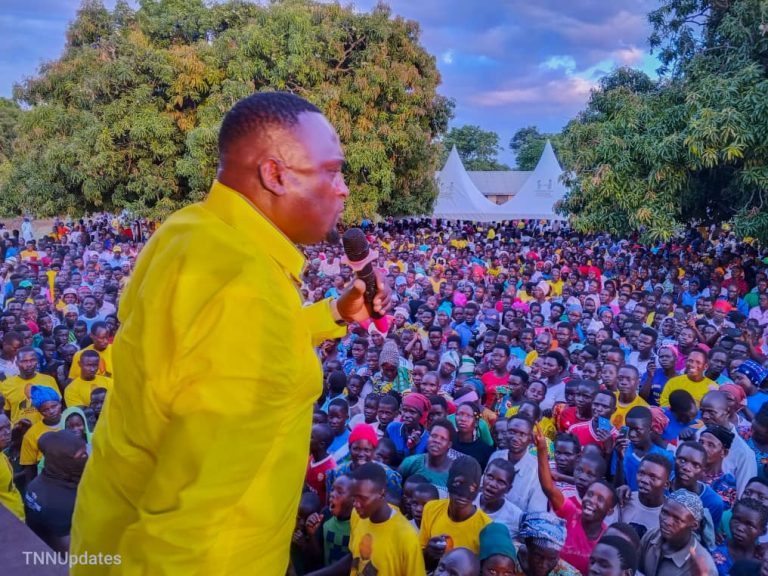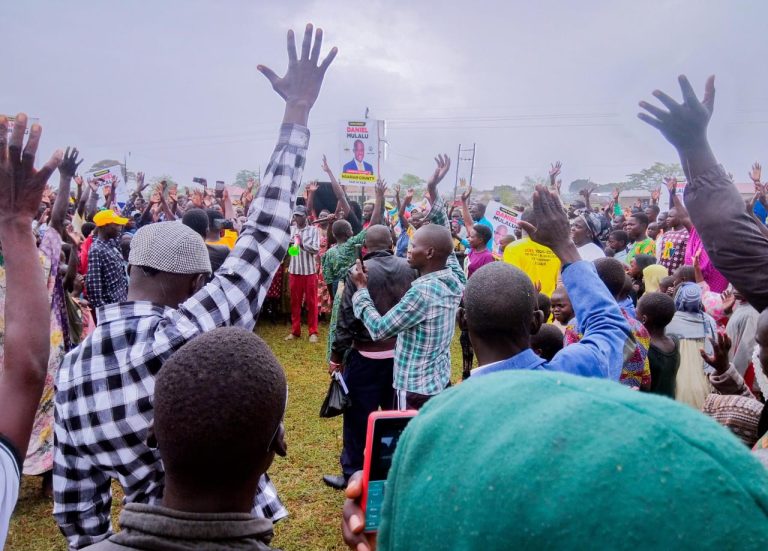
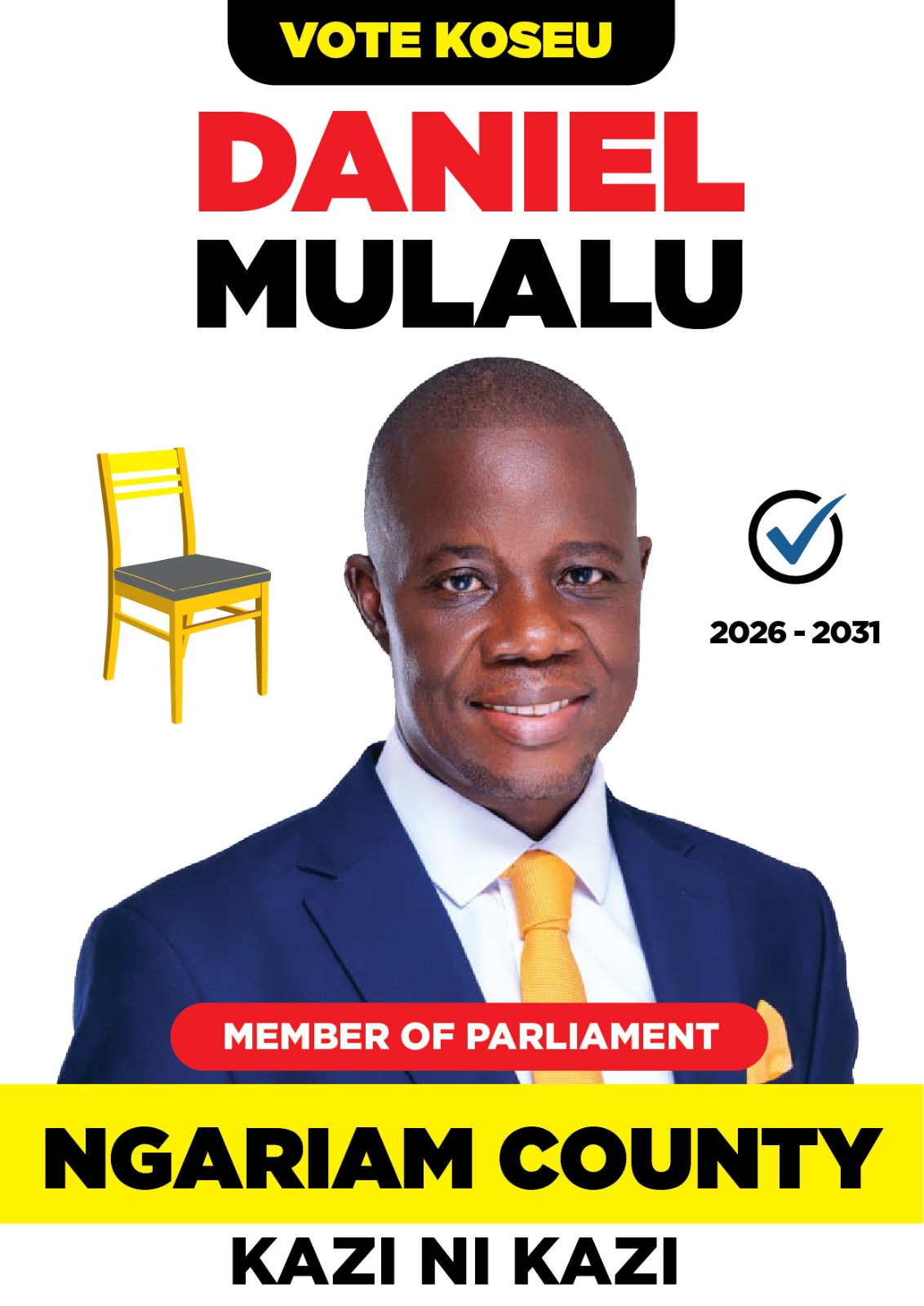
In a fresh twist to his campaign, Ngariam County MP aspirant and Kazi Ni Kazi Foundation Executive Director Daniel Mulalu has announced a shift in his campaign symbol from the wheelbarrow to the chair, saying the new symbol better resonates with his vision for stability, inclusivity, and service.
Addressing a press briefing in Katakwi Town on Thursday, Mulalu explained that while the wheelbarrow symbol represented hard work and youth empowerment in his earlier messaging, the chair carries a broader meaning for leadership, comfort, and representation.
“A chair is where people sit to be heard, to rest, and to make decisions,” Mulalu said. “For Ngariam, this symbol represents stability, inclusivity, and shared leadership. It means every citizen deserves a seat at the table of development.”
Mulalu stressed that the shift was not just cosmetic but reflected his evolving campaign focus.
“The wheelbarrow carried us in the early stages because we were emphasizing work and productivity. Now, as we engage more deeply with communities, the chair represents our promise to provide a place for everyone, elders, women, youth, farmers, and business people, in shaping the future of Ngariam,” he noted.
He added that the new symbol embodies peace, dialogue, and respect, ideals he says must define the upcoming elections.
However, Mulalu coupled the announcement with a strong warning against rising voter intimidation and incidents of harassment targeting his key campaign agents.
He alleged that some rival camps have resorted to “dirty tricks” aimed at frustrating his team, including threats, defacement of posters, and interference with campaign mobilization activities.
“I want to send a clear message: elections are not won by violence, intimidation, or fear,” Mulalu declared. “Some of my agents have been threatened, and others physically harassed. We condemn these acts in the strongest terms possible.”
He urged authorities, particularly the Electoral Commission and security agencies, to ensure a level playing field in Ngariam County.
“If leaders allow intimidation to go unchecked, it will discourage participation and undermine the credibility of the elections. We must not let our democracy be hijacked by fear.”
Mulalu reiterated his earlier appeal to fellow aspirants to promote peace, unity, and respect.
“We are all sons and daughters of Ngariam. After elections, we will still live here together. Let us compete with ideas, not fists. Voters must be free to choose without coercion or threats,” he emphasized.
The announcement of the new campaign symbol drew mixed reactions among residents. Some supporters praised the shift as timely and thoughtful.
“The chair makes sense. It shows he is thinking of giving everyone a place in leadership,” said Mary Akurut.
Others, however, expressed skepticism, arguing that changing symbols mid-race could confuse some voters.
“People already knew him with the wheelbarrow. Changing to a chair may be risky,” said Peter Omagor, a boda boda rider in Ngariam.
Political analysts in the region said the move could rebrand Mulalu as a unifying candidate, but warned that voter education will be critical in ensuring his supporters don’t get lost in the transition.
Mulalu assured his supporters that his campaign team is prepared to conduct massive voter sensitization on the new symbol and its meaning, both in villages and through media channels.
“We are on the ground. We will explain to every household what the chair stands for. No one will be left behind,” he promised.
He closed his remarks with a pledge: “Peace is non-negotiable. We will continue our campaigns lawfully, respectfully, and with faith in the people of Ngariam. Let us focus on building, not breaking.”
About Author