The Forum for Democratic Change (FDC) has rolled out an ambitious five-year policy blueprint that promises to overhaul Uganda’s education, health, transport, and agricultural sectors while tackling corruption and government inefficiency head-on.
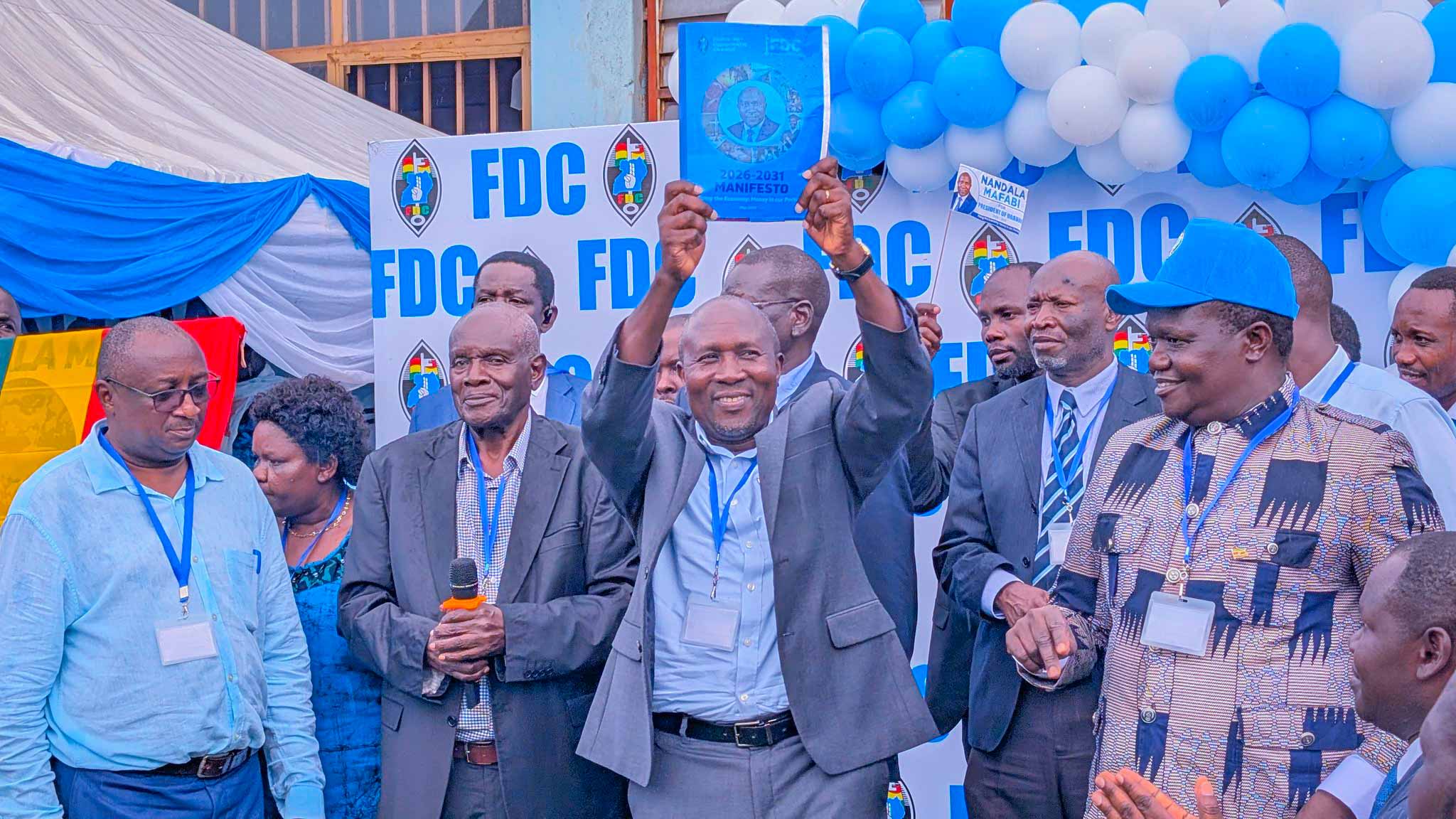
The 2026–2031 manifesto, unveiled today by the FDC Presidential Candidate and party Secretary General, Rt. Hon. Nathan Nandala Mafabi, outlines a multi-pronged strategy aimed at reducing poverty, improving public services, and boosting national productivity through bold infrastructure projects, social welfare programs, and targeted investments in agriculture and industry.
“This is not just a list of promises,” Mafabi told supporters. “It’s a costed plan to make sure every Ugandan gets quality healthcare, quality education, good roads, clean water, and affordable power. We have identified where the money is, by cutting waste and stopping corruption.”

Agriculture: Feeding the Nation Before Milking It
In a rallying call to restore agricultural productivity, Mafabi drew an analogy: “How can you milk a cow you are not feeding?”
Under the manifesto’s first pillar, the FDC pledges to supply fertilizer to farmers, clear the backlog of tea and coffee seedling deliveries, and promote value addition in agricultural products, especially in Uganda’s growing oil sector.
“We must invest in the farmer before we expect output,” Mafabi said, adding that this would create jobs across the value chain, from production to export.
Transport & Infrastructure: Roads, Rails, and Cable Cars
The second pillar sets an aggressive infrastructure target:
- 1,577 km of rural feeder roads upgraded to tarmac standard within five years.
- 200 km of community access roads to connect rural farmers to markets.
- 120 km of ferry access roads and 90 rehabilitated paved roads totaling 999.4 km.
- 1,497.6 km of rehabilitated and extended railway lines to reduce road damage from heavy trucks.
- 31 major bridges repaired, along with numerous river and swamp crossings.
One of the more eye-catching proposals is the introduction of cable cars on Mount Rwenzori and Mount Elgon to boost tourism.
Anticipating criticism, Mafabi joked, “Some will say I want a cable car on Mount Elgon because I come from there, but come and see it. It’s one of the best places in this country.”
Regional air transport would also get a lift, with planned upgrades to runways in Pakuba, Kidepo, Moroto, Mbarara, and Kanungu.
Digital Connectivity: Affordable Internet for All
The FDC leader pledged to slash monthly internet costs from USD 35 to USD 25 and ensure high-speed internet in all secondary schools, universities, and health centers.
“Technology is not a luxury. It’s a necessity for education, healthcare, and business,” Mafabi argued.
Housing for Civil Servants
The manifesto calls for affordable government housing for teachers, doctors, and other essential workers.
Mafabi lamented the current situation where a doctor at Mulago Hospital lives in Mukono, far from emergency cases.
“Under Obote, Kololo was for senior doctors, and Kitatte Courts for junior doctors. What happened? We must restore dignity to public service,” he said.
Social Protection: Dignity for the Elderly
For Ugandans above 70 years, the manifesto promises government-supported accommodation and allowances to ensure they live in dignity.
Utilities: Cheaper Power and Clean Water Everywhere
Mafabi promised cheaper electricity for production and universal power coverage.
The FDC also aims to provide running water in every city, municipality, town council, and health facility.
“It’s shameful that some municipalities still don’t have water. They say water is life, except if you live in vice,” Mafabi quipped.
Security Forces: Housing, Health, and Education
Under the plan, 500 housing units will be built for military and police personnel, along with four regional military and police hospitals.
Children of security forces will receive free education up to university, while their families will get free healthcare in public facilities.
Healthcare: Ending Medical Tourism
The FDC’s health policy is perhaps its boldest, pledging free medical care for all citizens in public hospitals and ending the practice of sending officials abroad for treatment at taxpayer expense.
“No one will go to Dubai, India, Turkey, or South Africa for treatment on public resources. We will bring those facilities here,” Mafabi vowed.
The manifesto outlines:
- Upgrading all regional referral hospitals to national status.
- Converting district hospitals to regional referral hospitals.
- Equipping rehabilitation centers to combat youth drug and alcohol abuse.
- Providing air and road ambulances in all national hospitals.
- Increasing the health budget to 10% of the national budget.
- Implementing a National Health Insurance fully funded by government.
Education: Free, High-Quality, and Equitable
The FDC pledges:
- Free primary, secondary, and university education for all, with emphasis on children of security forces.
- 87,000 new classrooms for primary schools.
- Salary increases for teachers in both arts and sciences, aiming to make teaching a respected, well-paying profession.
- A school feeding policy to ensure no child learns on an empty stomach.
- Raising the primary school capitation grant to UGX 200,000 per pupil and secondary school capitation to UGX 500,000 per student.
- Free sanitary pads for all schoolgirls, with such products made tax-free.
Mafabi criticized the current state of teacher welfare, noting that many live in debt and fear debt collectors arriving mid-lesson.
“This is not acceptable for those who are shaping our future,” he stressed.
Sports and Youth Development
In a nod to youth engagement, the FDC manifesto promises:
- 200 new public secondary schools, each with a stadium.
- A stadium in every district to promote sports.
- Tax incentives for private schools with playgrounds, and access to credit for sports facilities.
- 10 national sports academies for different disciplines.
- Upgraded football pitches nationwide.
- Support for creative arts through tax waivers and investment credits.
Jobs and Drug Abuse Prevention
Acknowledging rising youth unemployment, Mafabi linked joblessness to drug and alcohol abuse.
“If you give a youth a job from morning to evening, when will they take drugs? We must create employment,” he said.
Governance: Leaner Parliament, Less Waste
The manifesto proposes a controversial review of Parliament’s size, suggesting one directly elected MP for men and one for women per district, potentially cutting the current number nearly in half.
“Our Parliament is too big, over 290 MPs. Even the chamber can’t accommodate them,” Mafabi said.
Financing the Plan: Fighting Corruption
Mafabi insists the manifesto’s programs are fully fundable by tackling graft.
He claims the proposed initiatives would cost less than UGX 1.5 trillion annually, leaving UGX 1.5 trillion in savings from an anti-corruption crackdown.
Soroti City West MP Jonathan Ebwalu said, the FDC’s manifesto is the party’s most comprehensive in years, potentially positioning it as a serious challenger to the ruling NRM in 2026.
“This is the kind of detail voters want, numbers, timelines, and how it will be paid for,” said Ebwalu.
“The challenge will be convincing Ugandans that these promises can be delivered, given FDC’s limited track record in central government.”
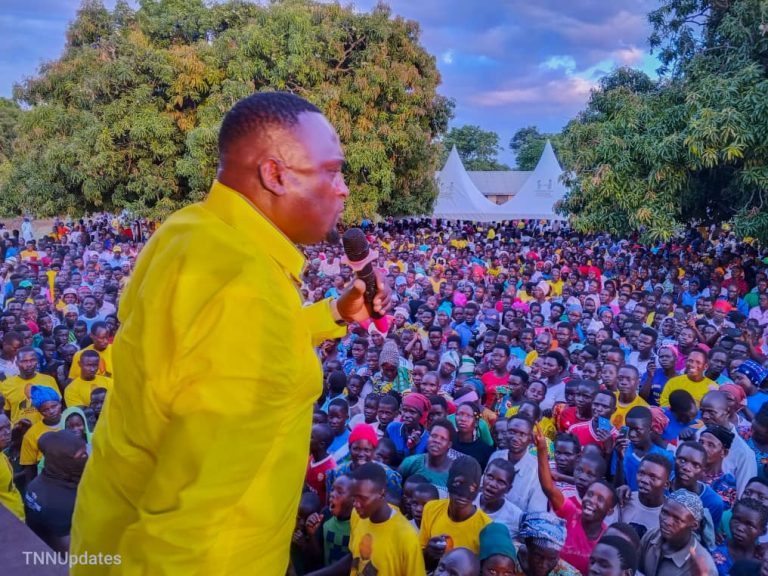
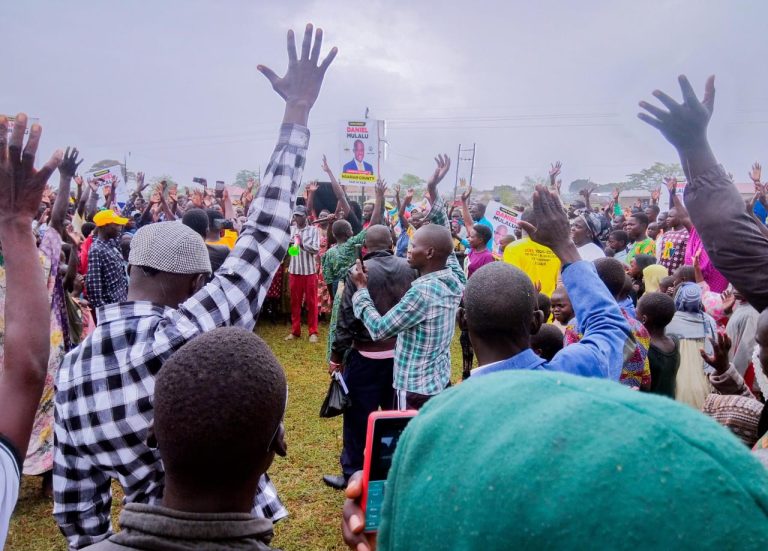
Supporters at the manifesto launch in Kampala greeted the pledges with cheers, especially the free education and healthcare commitments.
The next step, according to party officials, will be a nationwide manifesto dissemination tour, taking the plan to every district before official campaigns begin.
“Ugandans deserve a government that works for them, not for the few at the top,” Mafabi declared. “If you give us your vote, we will give you the Uganda you deserve.”
For advertising or to run your news article, contact us on 0785674642 or email: tesonewsnetwork@gmail.com.
About Author