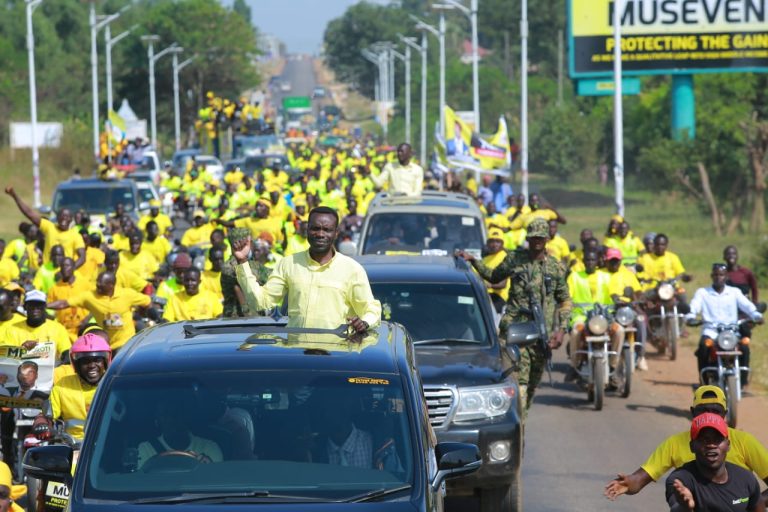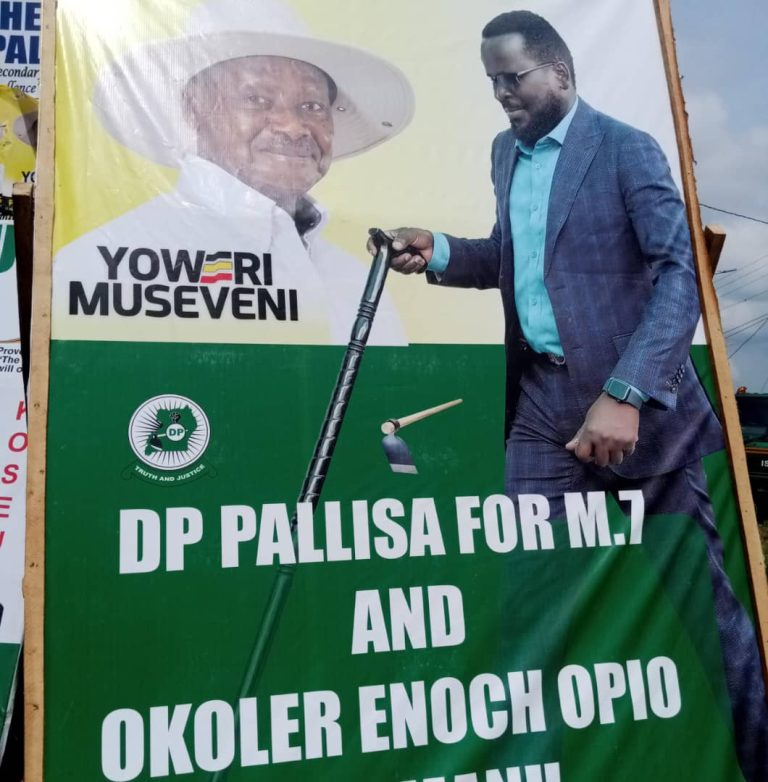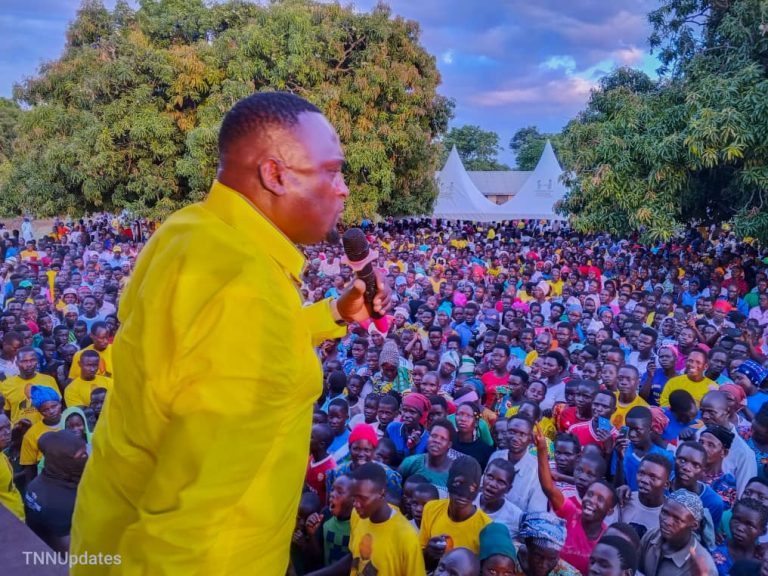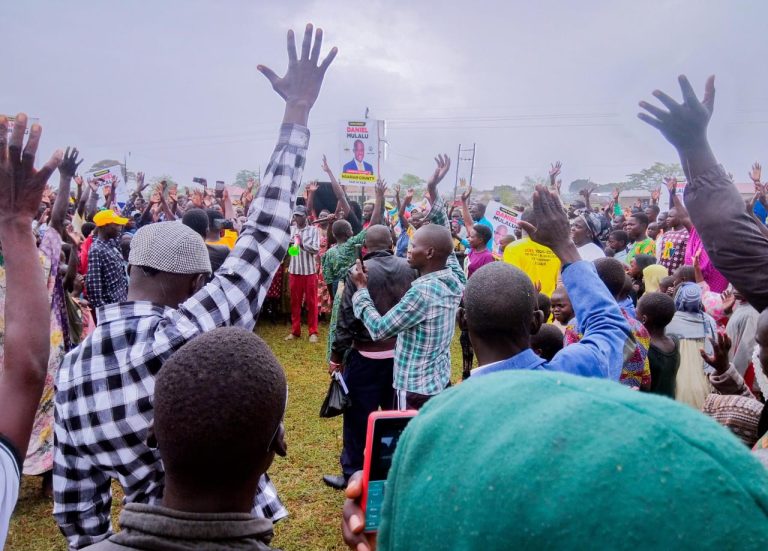

The political landscape in Ngora District is heating up in the final days before the highly anticipated National Resistance Movement (NRM) Party primaries scheduled for Thursday, July 17, 2025.
Voters across the sub-counties are bracing for what many describe as one of the tightest and most competitive races in the district’s recent history, with the battle lines drawn squarely between incumbent NRM Member of Parliament flag Bearer Hon. Jacqueline Amongin and her formidable challenger Josephine Pedun.

However, the contest is not a two-woman race alone. It also features three other determined aspirants, Irene Suzan Akiror, Akiteng Eunice, and Angenyo Annet, each of whom is canvassing hard for votes and vowing to upset the perceived front-runners.

The stakes are high with victory in the NRM primaries effectively positions the winner as the presumptive favorite for the 2026 general election in this NRM-leaning constituency.
As the ruling party’s flag-bearer, the nominee will command significant resources, grassroots networks, and visibility heading into the general campaign.
For weeks, Ngora District has been buzzing with intensive campaigns, village rallies, and closed-door negotiations as all candidates scramble to consolidate their support bases.
Incumbent Flagbearer also EALA Legislator Hon. Jacqueline Amongin, who has represented the party since 2011, is leaning heavily on her development record and strong links to the NRM’s national leadership.
She touts her track record of lobbying for rural electrification projects, borehole construction, education bursaries, and women’s empowerment initiatives.
Speaking to voters at a recent rally in Apama parish, Amongin promised to “continue delivering practical results,” saying: “We cannot experiment with leadership. I have experience in Parliament, and I know how to lobby for Ngora. Let us stay focused on development and unity.”
Yet Amongin faces strong headwinds in the form of local grievances over perceived uneven service delivery and accusations that some areas have been neglected.
Her critics argue she has become too focused on national and regional politics and less accessible to local voters, a narrative Josephine Pedun camp has seized upon.
Josephine Pedun, has been campaigning on a platform of “responsive and accountable leadership.”
She has tapped into frustration among youth and women’s groups who feel left behind.
At a campaign stop in Kobwin sub-county, Pedun declared: “Our people deserve an MP who listens, who consults, and who prioritizes local issues. We will focus on agriculture, women’s economic empowerment, and making government services accessible.”
Observers note that Pedun’s grassroots approach, mobilization, smaller but more intimate gatherings, and partnerships with local opinion leaders, has paid dividends. Many see her as Amongin’s most credible threat.
While Amongin and Pedun dominate much of the public chatter, the other three aspirants, Suzan Akiror, Akiteng Eunice, and Anyenyo Annet, are not sitting idle.
Irene Suzan Akiror has branded herself as the “unity candidate,” arguing that local factions need to heal and collaborate for development.
At rallies, she has emphasized her work with youth cooperatives and farmers’ groups.
Her appeal is especially strong in her home sub-county of Alupei, where she is seen as a favorite daughter.
Akiteng Eunice has run a strongly women-centered campaign, highlighting maternal health challenges, education for girls, and gender-based violence.
She has built alliances with local civil society actors and faith-based groups.
Angenyo Annet, among the least known at the start of the race, has been making surprising inroads with her promise of “fresh leadership” and accountability.
She is targeting undecided voters, particularly younger men and women disillusioned with established politicians.
Some political analysts predict that while these three may not win outright, they could significantly affect the race by splitting the vote, especially among those dissatisfied with Amongin but hesitant to fully back Pedun.
Across Ngora’s villages and trading centers, voters describe the race as “too close to call.” Many say they remain undecided, weighing promises against track records.
At Atoot market, Grace Apio, a mother of five, said: “Amongin has done something for us but we need more. Pedun is talking good things. I have not yet decided.”
David Okello, a boda rider from Kapir Sub County, was more open; “We are tired of big promises with no action. This time we want to vote for change. Pedun seems serious.”
But others defended the incumbent.
“Amongin brought electricity here. She even helped our SACCO get money,” noted Moses Emuron from Opoot. “We cannot just throw her away.”
Such mixed views reflect the constituency’s deep divides and the challenge all candidates face in building a broad-enough coalition to win the NRM ticket.
While personalities dominate headlines, campaign debates have also focused on concrete issues.
Key among them is agriculture, the backbone of the local economy. Farmers want better market access, input subsidies, and modern methods to boost yields. Drought and climate change have worsened food insecurity, making this a top concern.
Youth unemployment is another hot topic. With many school leavers unable to find meaningful work, candidates have been pressured to present viable plans for skills development, small enterprise support, and attracting investment.
Health services remain under strain, with too few clinics and limited drugs. Women have pressed candidates to address maternal health, reduce long distances to facilities, and lobby for more government funding.
Road infrastructure also ranks highly. Many local roads are impassable during rains, isolating villages and hindering trade.
Candidates have responded with a flood of pledges, from lobbying for more health centers to supporting youth groups and farmer cooperatives. The challenge, voters say, is deciding whose promises they actually trust.
NRM EC Boss Dr. Tanga Odoi has spent the past week calling for calm, as tensions among rival camps have begun to rise.
He says, “This is an internal family exercise. Let us not abuse or fight one another. Whoever wins will need all our support in 2026.”
NRM’s electoral commission has urged all camps to adhere to party guidelines, avoid intimidation or bribery, and respect the primary results.
With the primaries just days away, ACP Rushoke Kituma the Police Spokesperson yesterday during a press conference said, “We will deploy at all polling centers to prevent violence or disruption. We appeal to candidates to guide their supporters to remain peaceful.”
Past primaries in the region have occasionally turned chaotic, with accusations of ballot stuffing, bribery, and even isolated clashes.
About Author